An American Inheritance: Stereotypes of Black Women
Share
Explore Our Galleries



Breaking News!
Today's news and culture by Black and other reporters in the Black and mainstream media.
Ways to Support ABHM?
MAMMY
The Mammy was shown as a “large, independent woman with pitch-black skin and shining white teeth.” She was depicted as overweight, mother-like figure happy with her life of service. This false and harmful stereotype appeared in literature and movies. It showed African American women as non-threatening to white people and happy to care for white children instead of their own. This image made it seem that the purpose of Black women’s lives was to support and serve white families. One of the most celebrated examples of the Mammy character was Hattie McDaniel in Gone with the Wind.
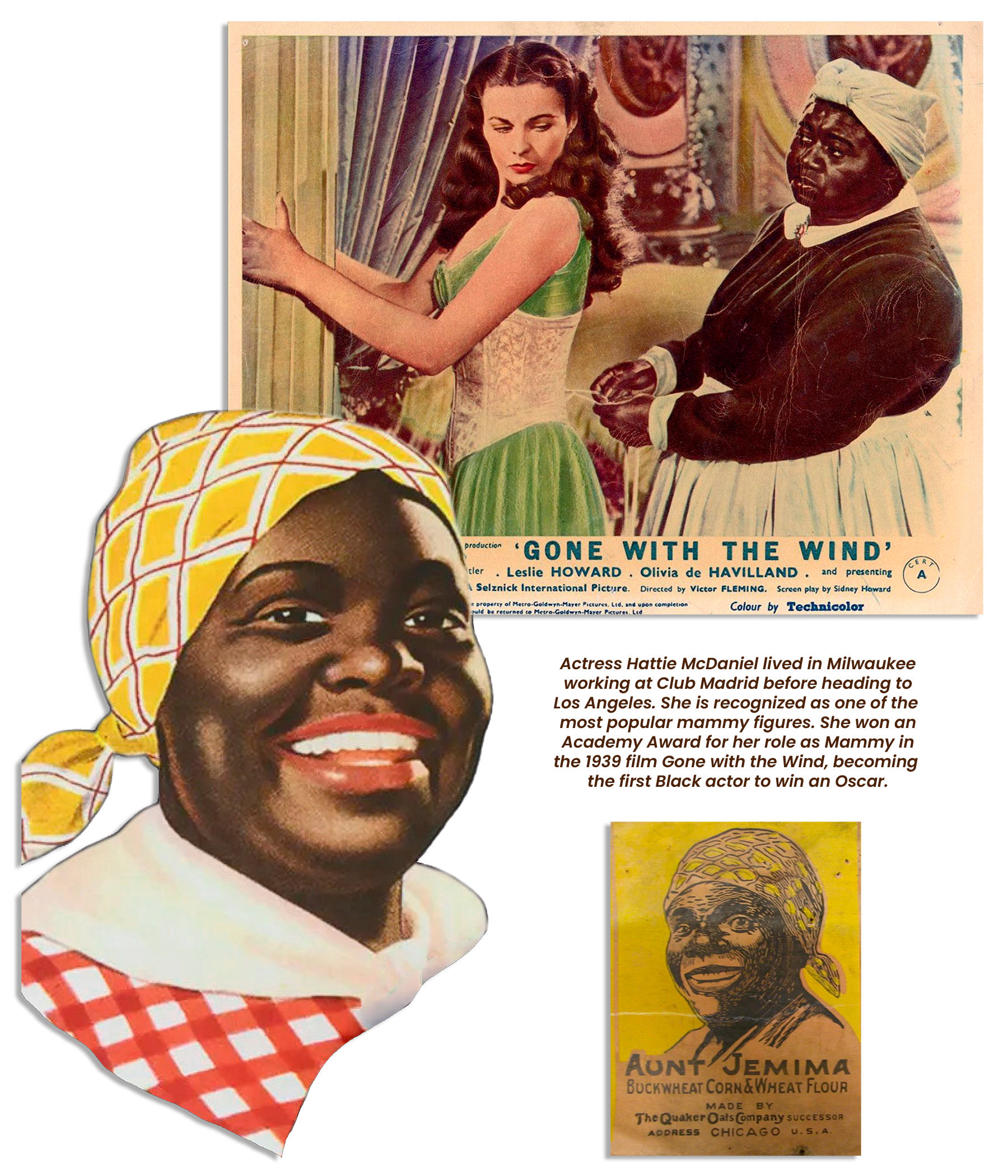
Aunt Jemimah had many of the same traits as the Mammy stereotype. She was connected to kitchen work and domestic labor. This image was used to sell products for cooking and American kitchens. Grocery list holders, salt and pepper shakers, spatulas, mixing bowls, and even the famous pancake mix helped continue the harmful idea that Black women were happy to serve white families.
JEZABEL
The Jezabel stereotype was created to justify violence against Black women, especially sexual violence. Black women were shown as seductive, promiscuous, and immoral. This stereotype blamed Black women for the sexual violence they experienced and removed blame from the white men who committed these acts.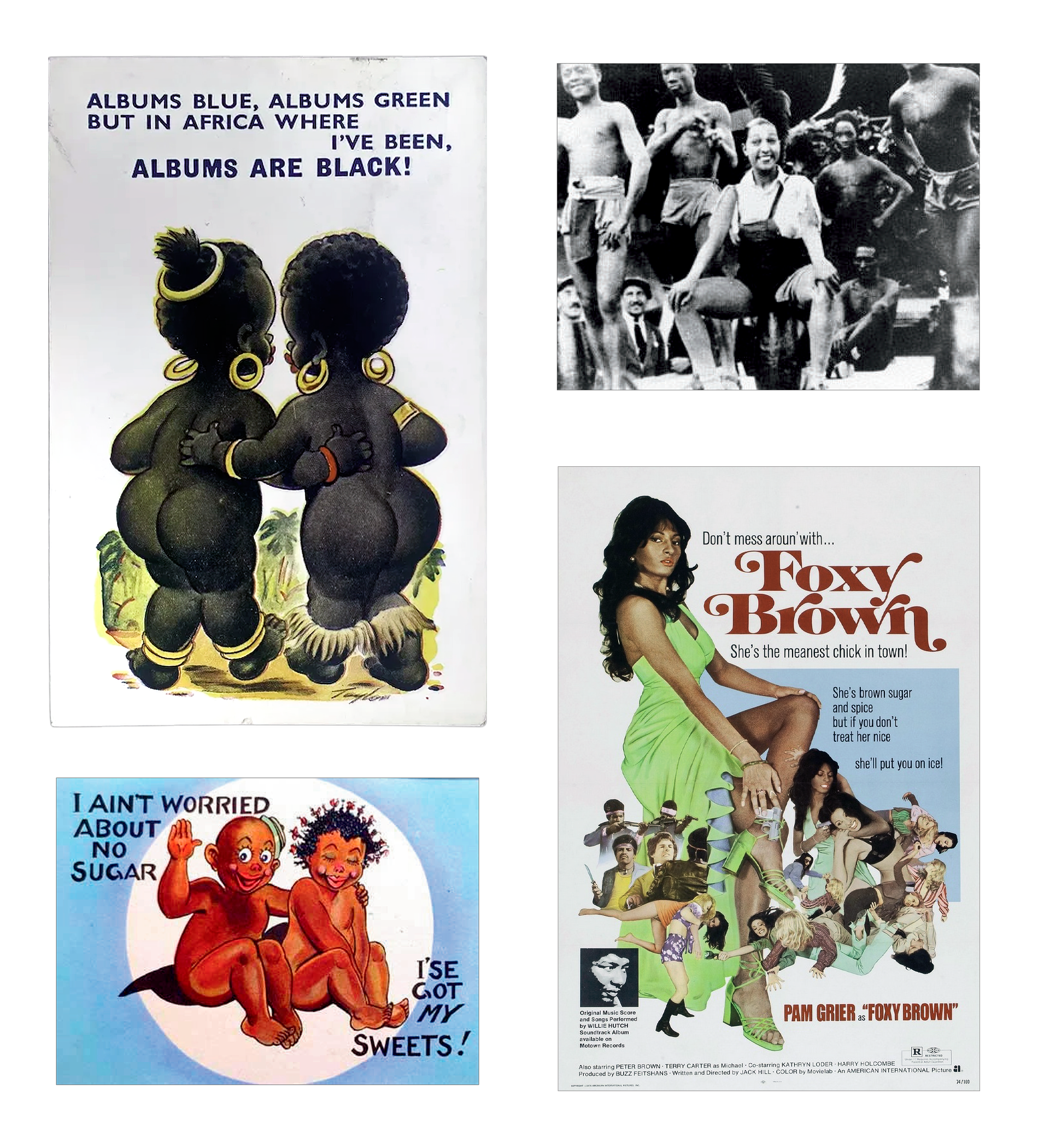 This stereotype should also be understood in the context of enslavement. During this period, a child took on the enslaved status of the mother. This encouraged enslavers to sexually exploit enslaved women in order to increase the number of people they enslaved. Because enslaved women were legally considered property, people did not believe they could be raped or sexually exploited.
After slavery was made illegal following the Civil War, the Jezabel image was used to portray Black women as naturally hypersexual. This continued to justify their objectification and sexual exploitation.
SAPPHIRE
“The Sapphire caricature is a harmful portrayal of African American women. However, it is more than a stereotype; it can also serve as a form of social control. This stereotype is used to punish Black women who challenge societal expectations that they should be passive, obedient, non-threatening, and unseen.” -Jim Crow Museum
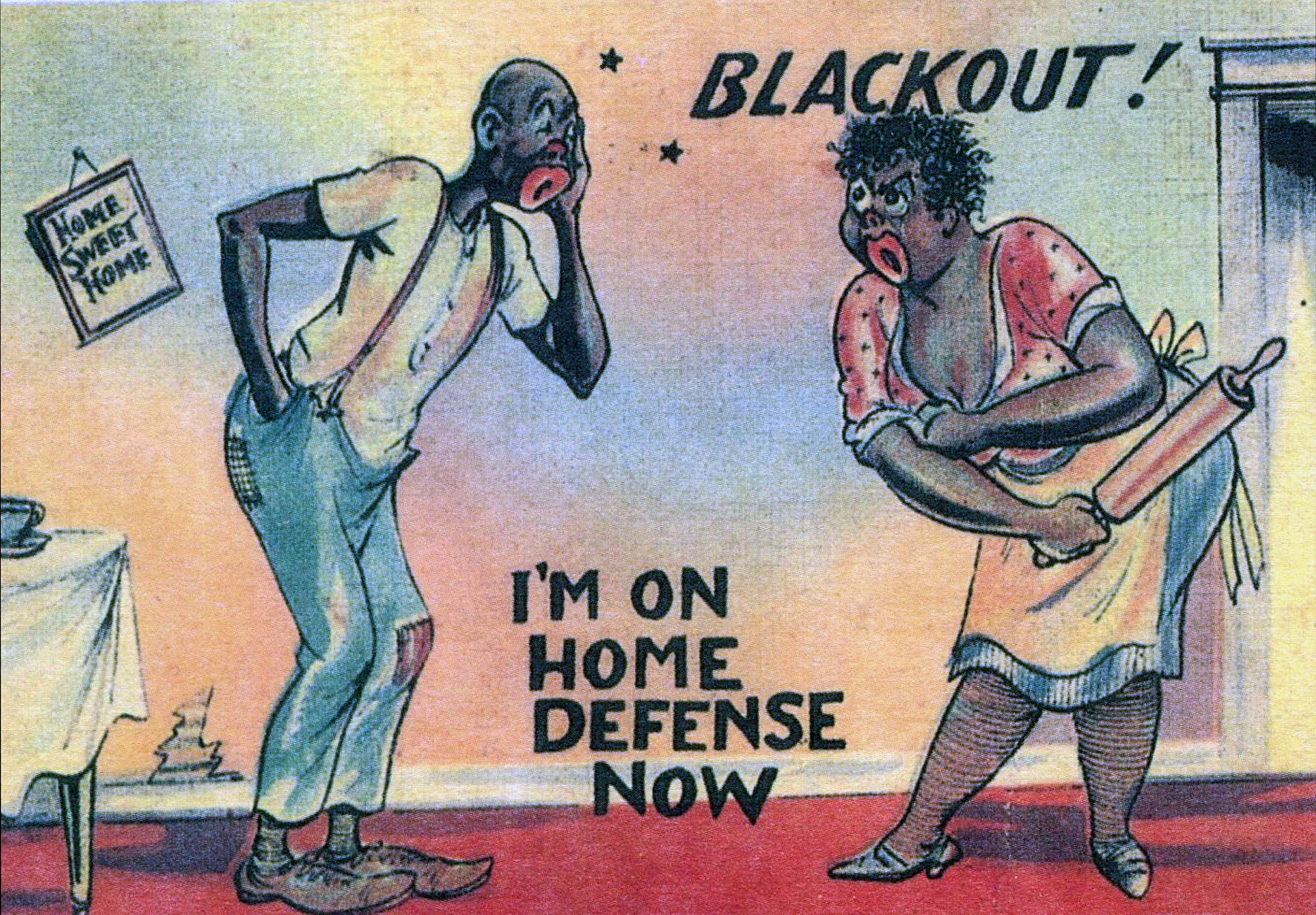
The Sapphire stereotype portrays Black women as mean, loud, aggressive, unfeminine, emasculating, and constantly angry. These images create a negative and unfair view of Black women and can influence how others perceive and treat them.
The name Sapphire comes from Sapphire Stevens, a character on the Amos ’n’ Andy television show, which aired in the 1950s and relied on stereotypes of African Americans. Sapphire was often portrayed as an aggressive and verbally abusive wife who argued with and criticized her husband.
According to Oxford Reference, the Sapphire image is one of the most influential stereotypes of Black women. Over time, the stereotype has changed in name and meaning. Today, it is often associated with the phrase “angry Black woman.” These harmful misrepresentations can have lasting effects on Black women in many areas of life, including schools, healthcare, and the workplace. They may lead others to misunderstand their words, dismiss their concerns, or judge their behavior unfairly.
Click for more An American Inheritance exhibits:
Welcome to gallery - An American Inheritance | The Story of Racist Memorabilia in WI & the US
Introducing / Unpacking Stereotypes
Click for more An American Inheritance exhibits:
Welcome to gallery - An American Inheritance | The Story of Racist Memorabilia in WI & the US
Introducing / Unpacking Stereotypes
Comments Are Welcome
Note: We moderate submissions in order to create a space for meaningful dialogue, a space where museum visitors – adults and youth –– can exchange informed, thoughtful, and relevant comments that add value to our exhibits.
Racial slurs, personal attacks, obscenity, profanity, and SHOUTING do not meet the above standard. Such comments are posted in the exhibit Hateful Speech. Commercial promotions, impersonations, and incoherent comments likewise fail to meet our goals, so will not be posted. Submissions longer than 120 words will be shortened.
See our full Comments Policy here.