An American Inheritance: Black Americana Postcards
Share
Explore Our Galleries



Breaking News!
Today's news and culture by Black and other reporters in the Black and mainstream media.
Ways to Support ABHM?
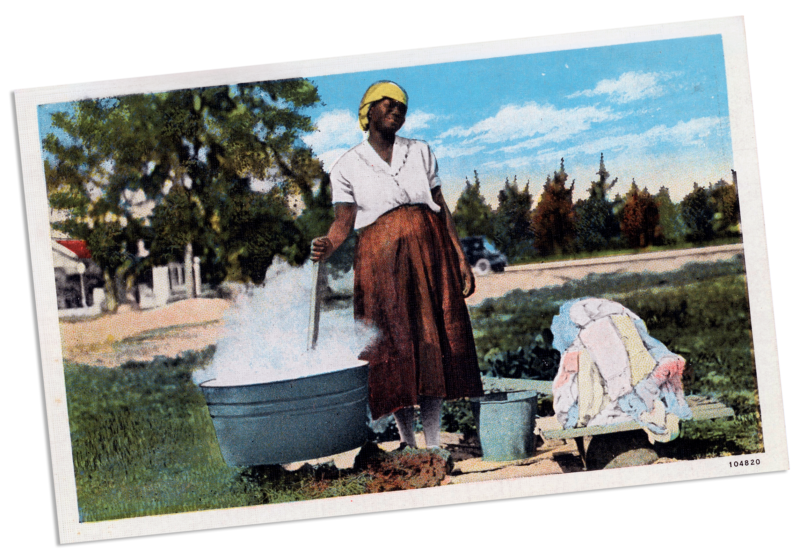
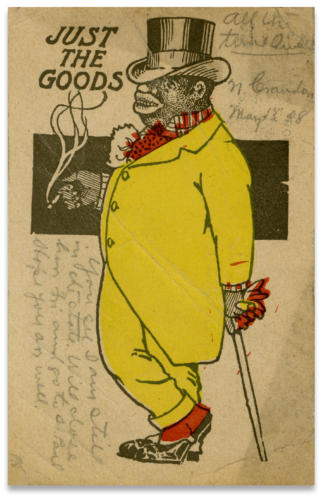
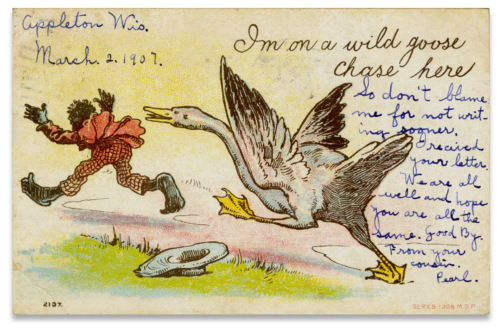
In addition to advertisements, these racist images were also shared between people in more personal ways. People sent postcards with these images to their loved ones. They might write about unrelated or everyday events while also spreading harmful stereotypes with each postcard.
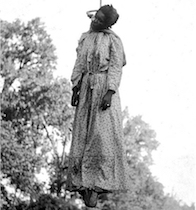
During this era, people were also sending postcards showing another type of image of African Americans: lynching photographs. One of the most widely sent lynching postcards captured the lynching that ABHM founder, Dr. James Cameron, survived on August 7th, 1930.
Why do you think such violent and harmful images were sent from one person to another on postcards? How did this help normalize these images? What is the connection between postcards depicting racist stereotypes and lynching postcards?
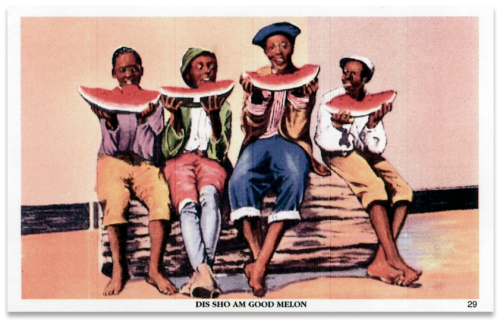
In addition to advertisements, these racist images were also shared between people in more personal ways. People sent postcards with these images to their loved ones. They might write about unrelated or everyday events while also spreading harmful stereotypes with each postcard.
During this era, people were also sending postcards showing another type of image of African Americans: lynching photographs. One of the most widely sent lynching postcards captured the lynching that ABHM founder, Dr. James Cameron, survived on August 7th, 1930.
Why do you think such violent and harmful images were sent from one person to another on postcards? How did this help normalize these images? What is the connection between postcards depicting racist stereotypes and lynching postcards?
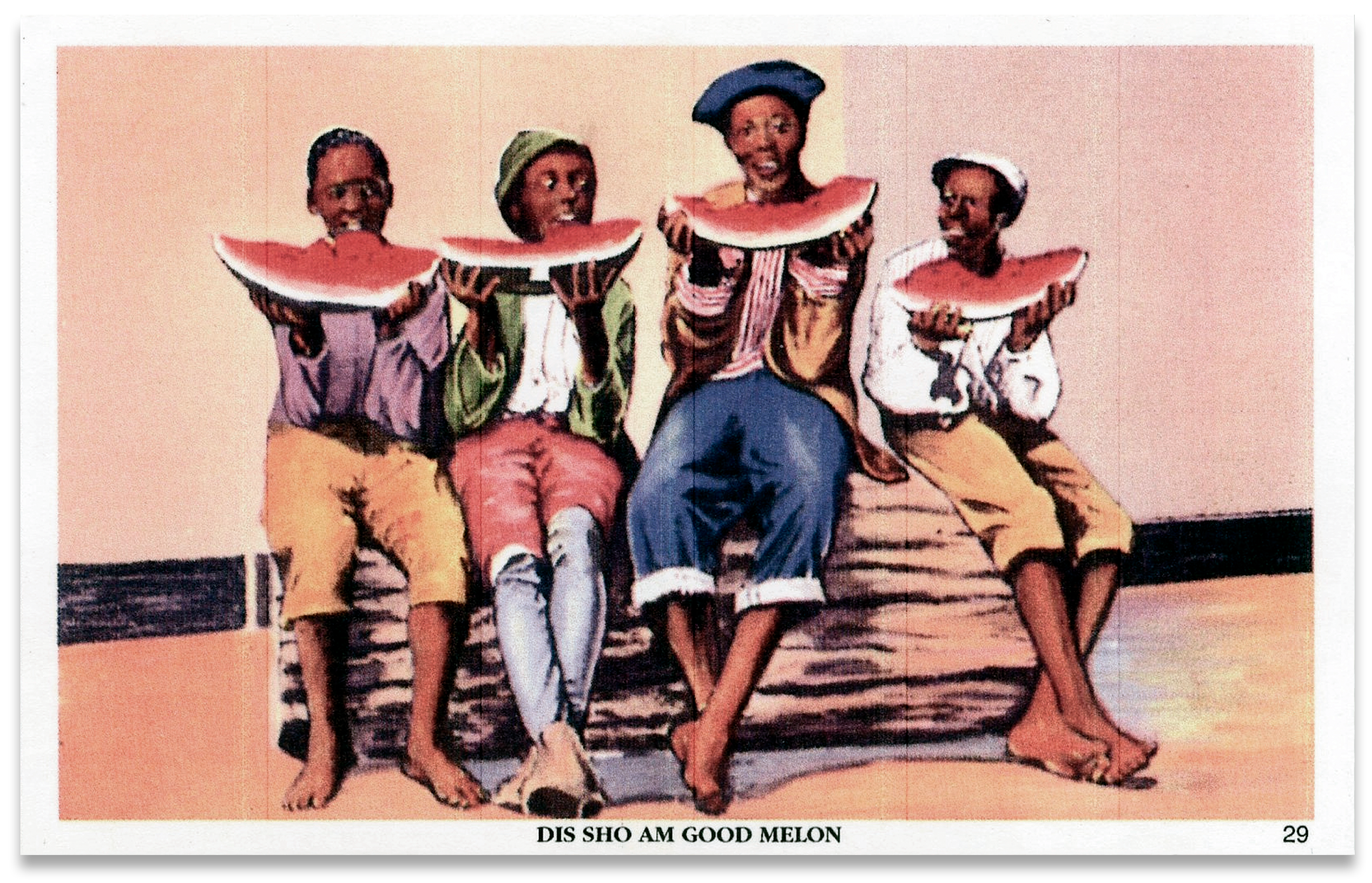
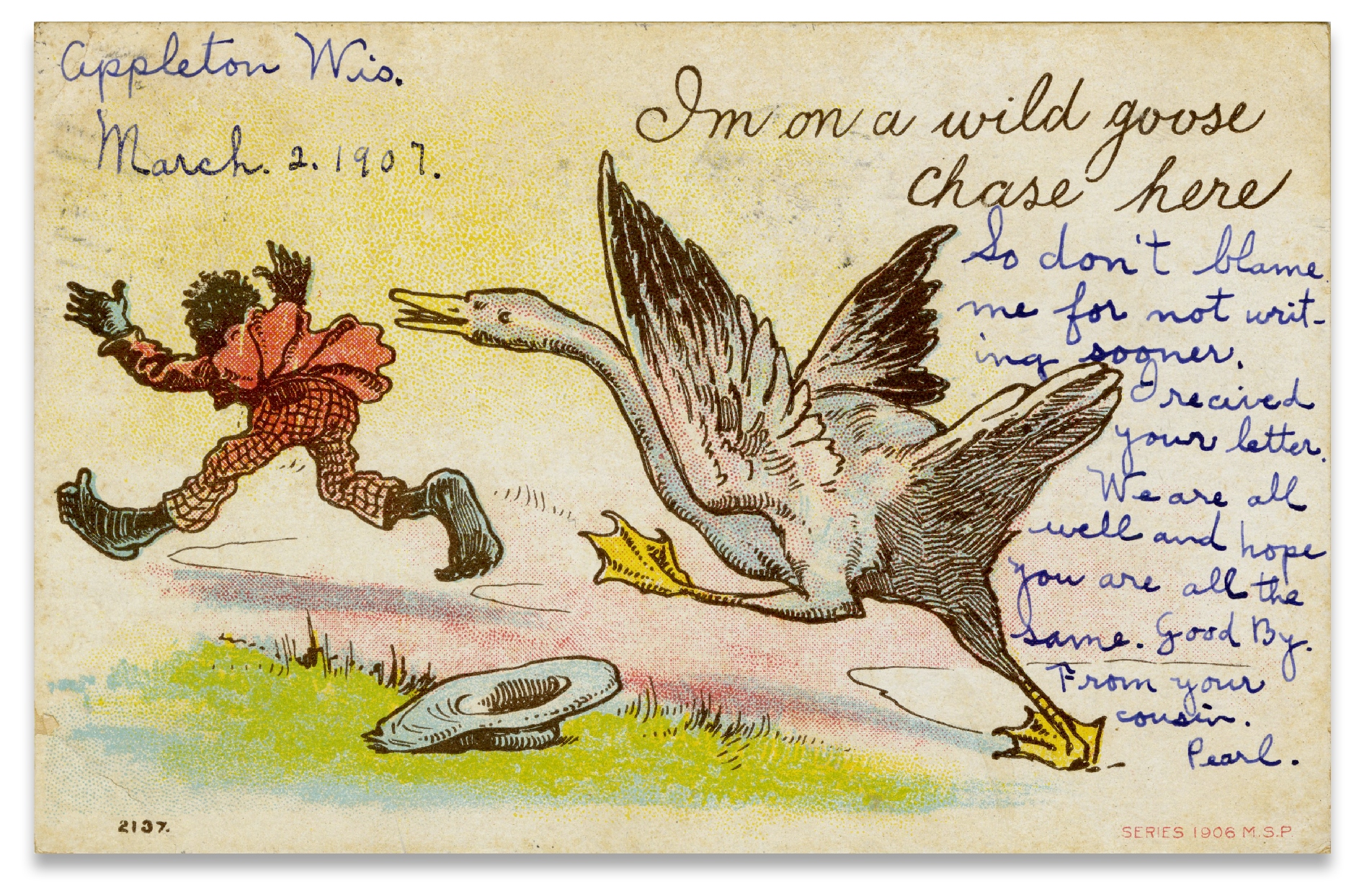
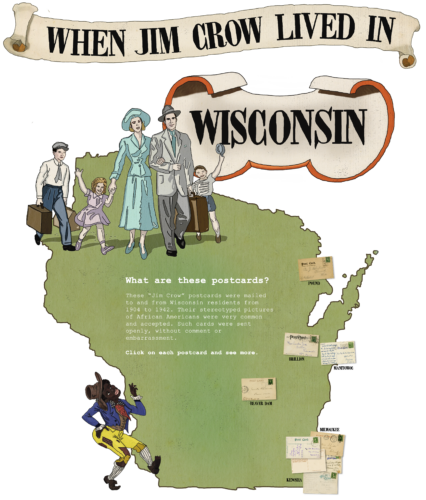
Discover how racist postcards mailed to and from Wisconsin residents between 1904 and 1942 reflected the widespread acceptance of degrading stereotypes of Black people. These artifacts reveal how racist imagery entered everyday life and helped reinforce the attitudes that sustained Jim Crow.
Discover how racist postcards mailed to and from Wisconsin residents between 1904 and 1942 reflected the widespread acceptance of degrading stereotypes of Black people. These artifacts reveal how racist imagery entered everyday life and helped reinforce the attitudes that sustained Jim Crow.
Click for more An American Inheritance exhibits:
Welcome to gallery - An American Inheritance | The Story of Racist Memorabilia in WI & the US
Introducing / Unpacking Stereotypes
Click for more An American Inheritance exhibits:
Welcome to gallery - An American Inheritance | The Story of Racist Memorabilia in WI & the US
Introducing / Unpacking Stereotypes
Comments Are Welcome
Note: We moderate submissions in order to create a space for meaningful dialogue, a space where museum visitors – adults and youth –– can exchange informed, thoughtful, and relevant comments that add value to our exhibits.
Racial slurs, personal attacks, obscenity, profanity, and SHOUTING do not meet the above standard. Such comments are posted in the exhibit Hateful Speech. Commercial promotions, impersonations, and incoherent comments likewise fail to meet our goals, so will not be posted. Submissions longer than 120 words will be shortened.
See our full Comments Policy here.