One Hundred Years of Jim Crow
Introduction
Following the Civil War and Reconstruction, white people in the South found ways to maintain their accustomed power over black people through a combination of laws, social customs, and mob violence. This system, known as “Jim Crow,” rested on five pillars of oppression:
• Economic
• Political
• Legal
• Social
• Personal
Millions of black people migrated to the North hoping to escape Jim Crow, only to find “sundown towns,” as wells as schools, neighborhoods, hotels, theaters, and restaurants segregated not by law, but by custom. The North even had its share of Jim Crow “collectibles,” cross-burnings, and lynchings.
Jim Crow is said to have ended in 1964 with the passage of the Civil Rights Act that outlawed segregation in schools, workplaces, and public accommodations and the Voting Rights Act of 1965 that outlawed discriminatory voting practices.
Like all ABHM Galleries, this gallery periodically adds new exhibits. Please check back from time to time to see these.
Exhibits
Freedom’s Heroes During Jim Crow: Flossie Bailey and the Deeters

This exhibit pays tribute to people who fought hatred and injustice in the Jim Crow period. Some of these are well-known; others are unsung, ordinary people. Every quarter we will add more stories about the many heros of this era.
To inaugurate the exhibit, we present three unsung heros who opposed the infamous lynching in Marion, Indiana in 1930: Flossie Bailey and Grace and William Deeter.
An Iconic Lynching in the North

On a hot August night in 1930, 15,000 people flooded into the small Indiana town of Marion to see a great spectacle. Three black teenagers were being lynched for supposedly raping a white woman and killing a white man. The boys were savagely beaten by a mob of men, women and children. One by one they were hanged. Two died – but with the rope already tightening around his neck, one boy was saved.
The souvenir photo taken of this “spectacle lynching” is very well-known. They say it inspired the song “Strange Fruit,” written by teacher Abel Meeropol and made popular by singer Billie Holiday.
Claxton Dekle – Prosperous Farmer, Husband & Father of Two

Mr. Dekle’s great-great-nephew shares details about what was lost by members of his immediate and extended family when Uncle Clax was murdered.
Bibliography – One Hundred Years Of Jim Crow

If you want to dig deeper into the issues of the Jim Crow era, this extensive bibliography will get you started.
Some Exhibits to Come – One Hundred Years of Jim Crow

See a list of of some of the exhibits planned for this gallery.
Hateful Things: An Exhibit from the Jim Crow Museum of Racist Memorabilia
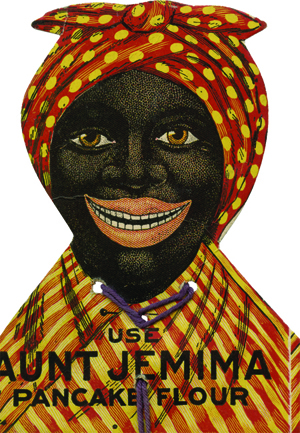
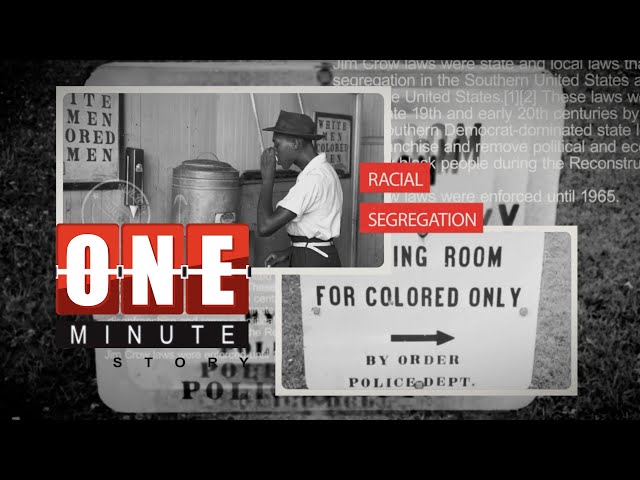
In 2006, ABHM brought the traveling exhibit “Hateful Things” from the Jim Crow Museum of Racist Memorabilia. Two Milwaukee teens made this excellent short video about the exhibit and what they learned from it. In this exhibit you can see racist memorabilia and visit the Jim Crow Museum.
Political Parties in Black and White
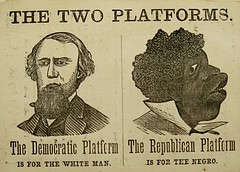
How the first African American voters started out with the Republican Party – and how most ended up voting with the Democratic Party today.
The Rosenwald Schools: An Impressive Legacy of Black-Jewish Collaboration for Negro Education
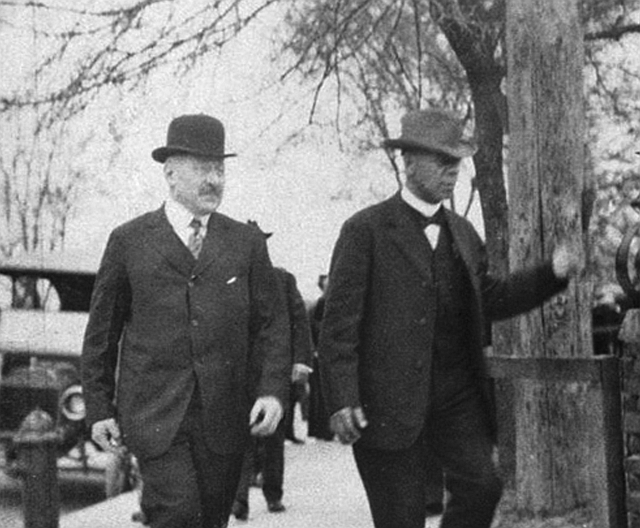
Between 1912 and 1932, nearly 5,000 “Rosenwald schools” for black children were established in the South. The money to start them came from a Jewish donor, Julius Rosenwald, who collaborated with Booker T. Washington. By 1932, about one-third of black students in the South were attending Rosenwald schools. In addition to 4,977 schools, Rosenwald contributed to 217 homes for teachers. He also established 163 machine shops where students learned practical skills.
John Carter: A Scapegoat for Anger
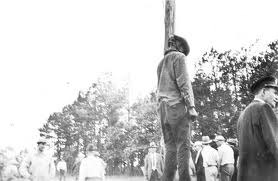
In 1927, a frenzied white mob in Little Rock, Arkansas, was focused on revenge. A little white girl had been murdered and they wanted to lynch whoever did it. When they grabbed a black man, they knew he wasn’t the killer. Still, they thought he’d done something else that made them mad. John Carter was their scapegoat: he paid the price for something he didn’t do.
The Education of Black Children in the Jim Crow South
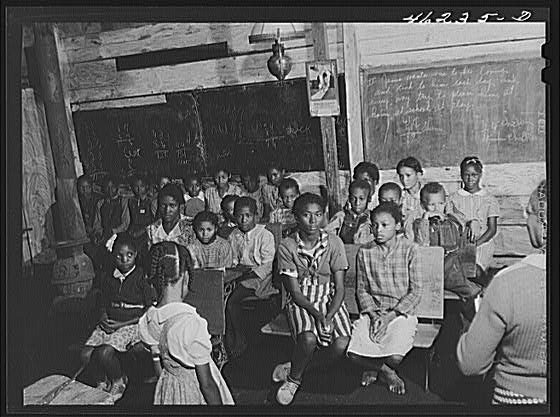
Education is the key to economic success. It is true now, and it was true in the Jim Crow South. Southern education was not very good – even for white children. But education for blacks in the South in the early 1900s was worse in many ways. In this exhibit you can learn what school was like for most African American children in the South – and why.
Voting Rights for Blacks and Poor Whites in the Jim Crow South
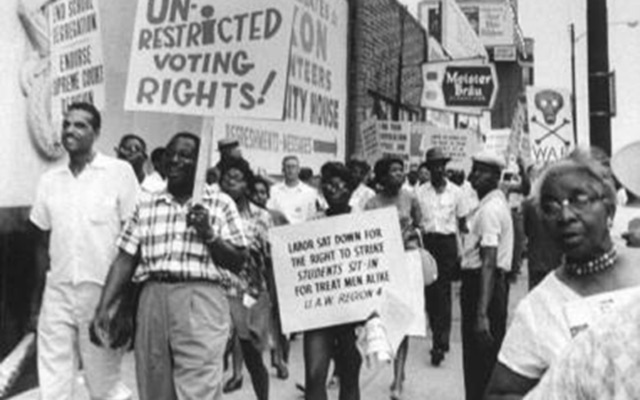
From about 1900 to 1965, most African Americans were not allowed to vote in the South. White people in power used many methods to keep black people from voting. Some of these methods also prevented poor white people from voting. Today there are still laws and customs that make it harder for African Americans, other minorities, and some whites to vote.
The Five Pillars of Jim Crow
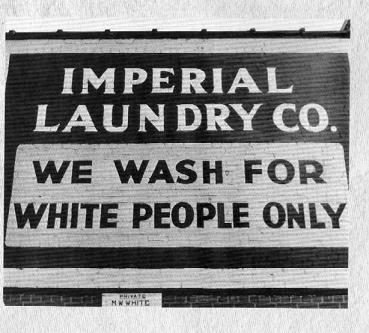
“Jim Crow” refers to a five-part system developed in the late 1800s and early 1900s to support white supremacy and oppress black citizens. Although there were laws that discriminated against African Americans throughout the country, the Jim Crow system existed only in the South. This exhibit briefly describes the five oppressions of the Jim Crow system.
Economic Oppression in the Jim Crow System

Southern blacks were oppressed economically in several ways: in agriculture and in the workplaces. In addition, they were often punished if they were economically successful.
The Long Afterlife of a Lynching
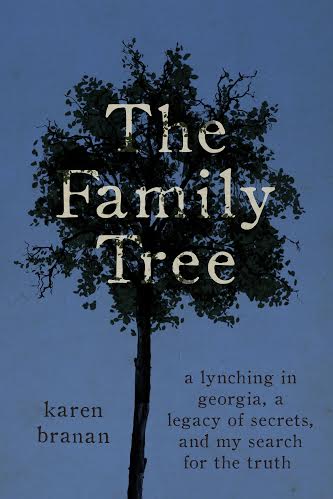
Karen Branan returns to her ancestral home in Georgia to discover the truth behind the lynching of three black men and a black woman in 1912 – including the complicity of her family. She tells the story in a new book, The Family Tree.
A Short Video History of the Long History of Terror Lynchings
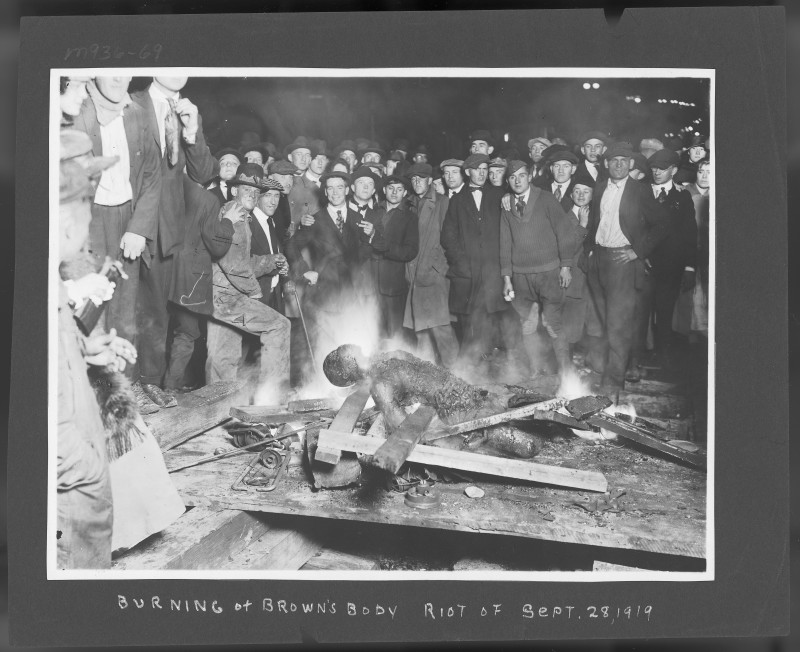
This exhibit features a video along with many links to resources that can help you better understand the phenomenon of lynchings. The video give a brief but very complete explanation of how and why racial terror lynchings took place and how they set the stage for current racial injustices.
Lett’s Stand Against Debt Peonage Cost His Life
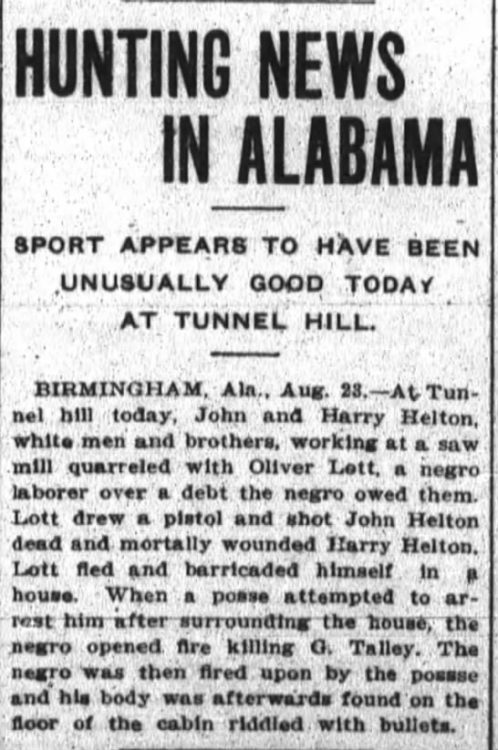
A genealogist, teacher, and writer from Alabama became interested in Lett’s story when teaching middle school students genealogy, ELA, and social studies. She took them on a field trip to EJI’s Lynching Memorial, where they saw Oliver Lett’s name and realized that he was an ancestor of many of her students.
When Jim Crow Lived In Wisconsin
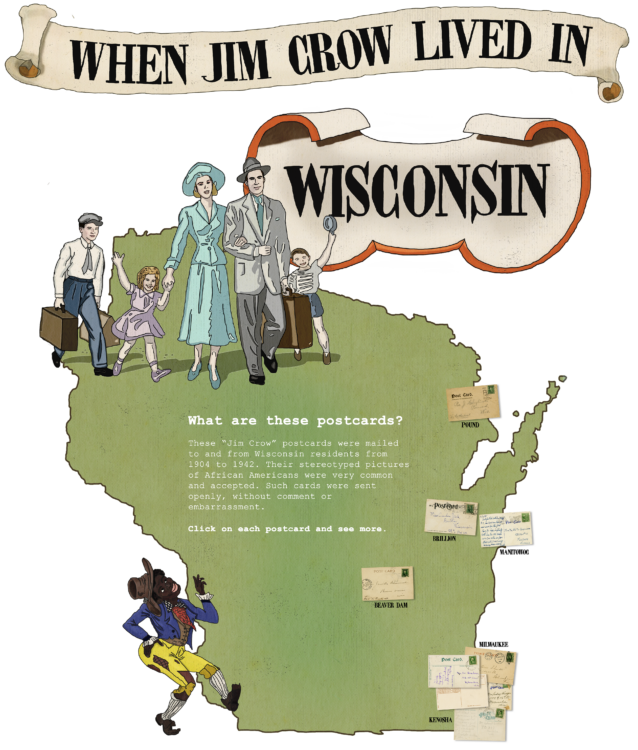
These postcards were mailed to and from Wisconsin residents from 1904 to 1942. Their stereotyped pictures of African Americans were very common and accepted. Such cards were sent openly, without comment or embarrassment.
Butter Pecan Ice Cream : A Taste of Resistance and Home
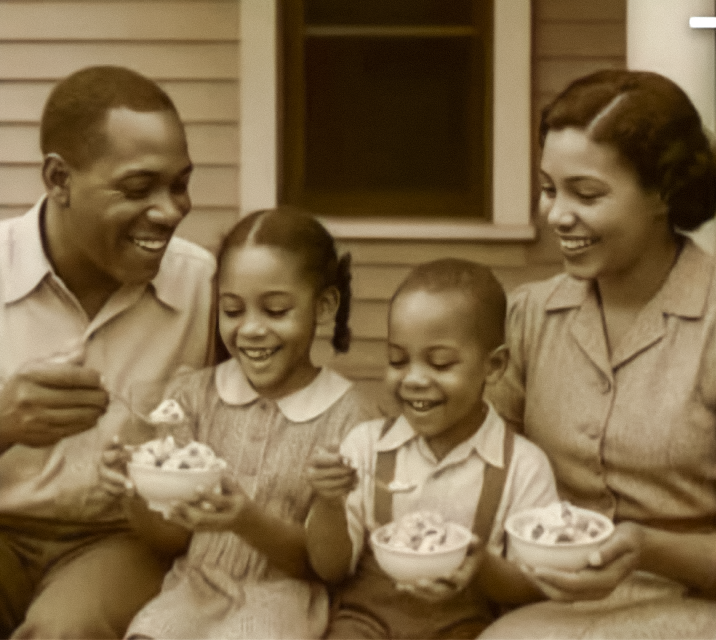
Discover the rich heritage of butter pecan ice cream, a delicious symbol of resilience and cultural pride that transcends generations. From its origins rooted in the struggles of Black Americans to its beloved status in homes across the South and beyond, this flavor embodies the spirit of innovation and joy in the face of adversity. Each scoop serves as a reminder of the rich history and creative ingenuity that turn a simple dessert into an act of defiance and celebration.
Arturo Alfonso Schomburg: A Life Spent Preserving Black History

Arturo Alfonso Schomburg was a visionary historian who dedicated his life to preserving the rich history and achievements of people of African descent. His vast collection became the foundation of the Schomburg Center, a world-renowned institution celebrating Black culture and scholarship. This exhibit honors his legacy, inviting visitors to explore the powerful stories and lasting impact of the African diaspora.
How HBCUs Rescued Jewish Professors from the Nazis

This exhibit reveals how HBCUs quietly saved Jewish scholars fleeing Nazi persecution when most U.S. universities refused to act. Their shared struggle against racism and antisemitism turned education into a powerful form of resistance.
Bessie Coleman: Breaking Barriers in the Sky (1892 to 1926)
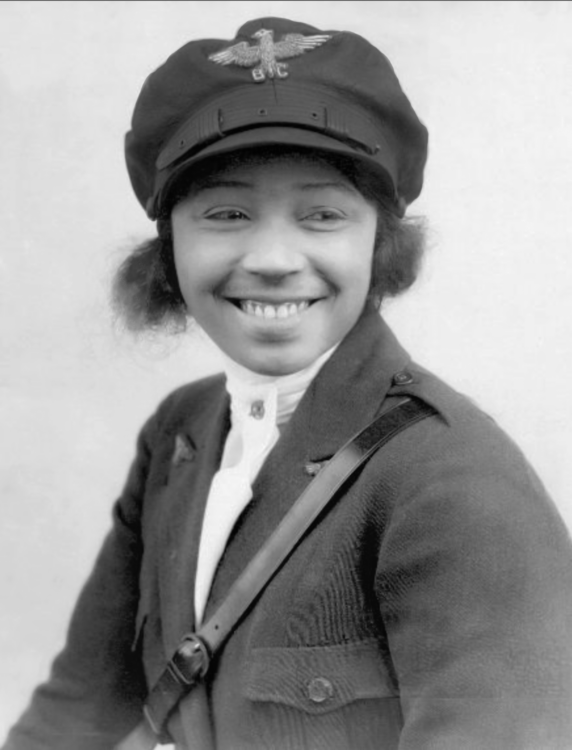
From her beginnings in Waxahachie, Texas, Bessie Coleman defied racial and gender barriers by traveling to France to earn her international pilot’s license when no American school would admit her. She returned as a celebrated barnstorming pilot who refused to perform before segregated audiences, leaving a legacy that expanded access to aviation and inspired generations to follow.
The Brotherhood of Sleeping Car Porters & the Civil Rights Movement

The story of the Pullman porters is one of resilience, organization, and leadership in the face of discrimination. Through their fight for fair wages, dignity, and collective bargaining, they built the Brotherhood of Sleeping Car Porters, the nation’s first all-Black labor union. Their efforts not only transformed working conditions on America’s railroads but also helped lay the groundwork for the modern Civil Rights Movement.
How the Pullman Porters Advanced Black Culture

Pullman porters occupied a unique position in American life, traveling the nation’s railways while connecting Black communities across regions. Through their work, they shared news, ideas, and opportunities, helping spread Black culture and supporting the Great Migration of millions of African Americans from the South. Their earnings and experiences also helped build a growing Black middle class, opening educational and professional opportunities for future generations.
AN AMERICAN INHERITANCE: The story of Racist Memorabilia
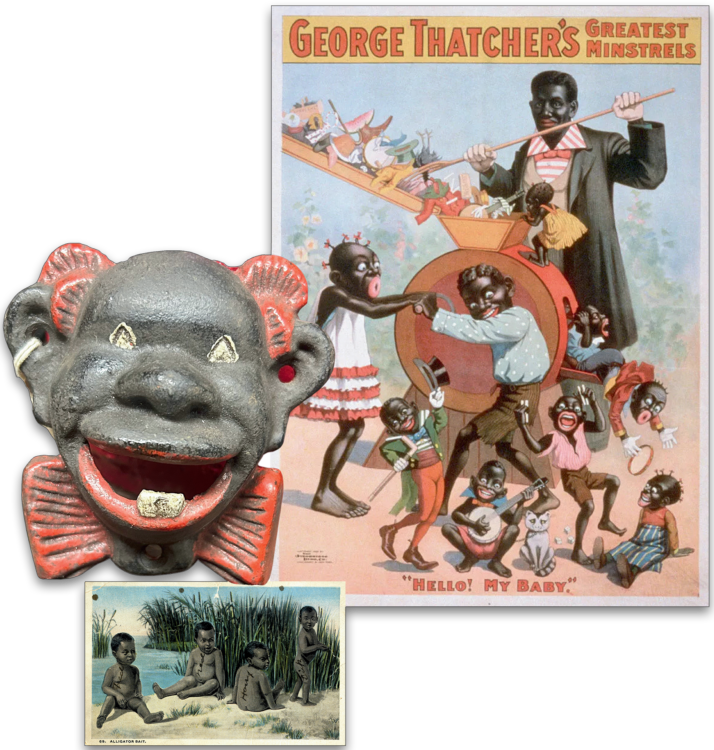
This mini-gallery examines racist memorabilia as artifacts of American history, tracing how stereotypes were created, circulated, and used to dehumanize Black people and reinforce white supremacy. Through objects from the collections of America’s Black Holocaust Museum and the Wisconsin Black Historical Society & Museum, it places these images and objects in historical context while considering their continuing impact. The exhibit also invites us to confront difficult questions about preservation, responsibility, and what society should do with these artifacts today.