An American Inheritance: Black Americana in Advertisements
Share
Explore Our Galleries



Breaking News!
Today's news and culture by Black and other reporters in the Black and mainstream media.
Ways to Support ABHM?
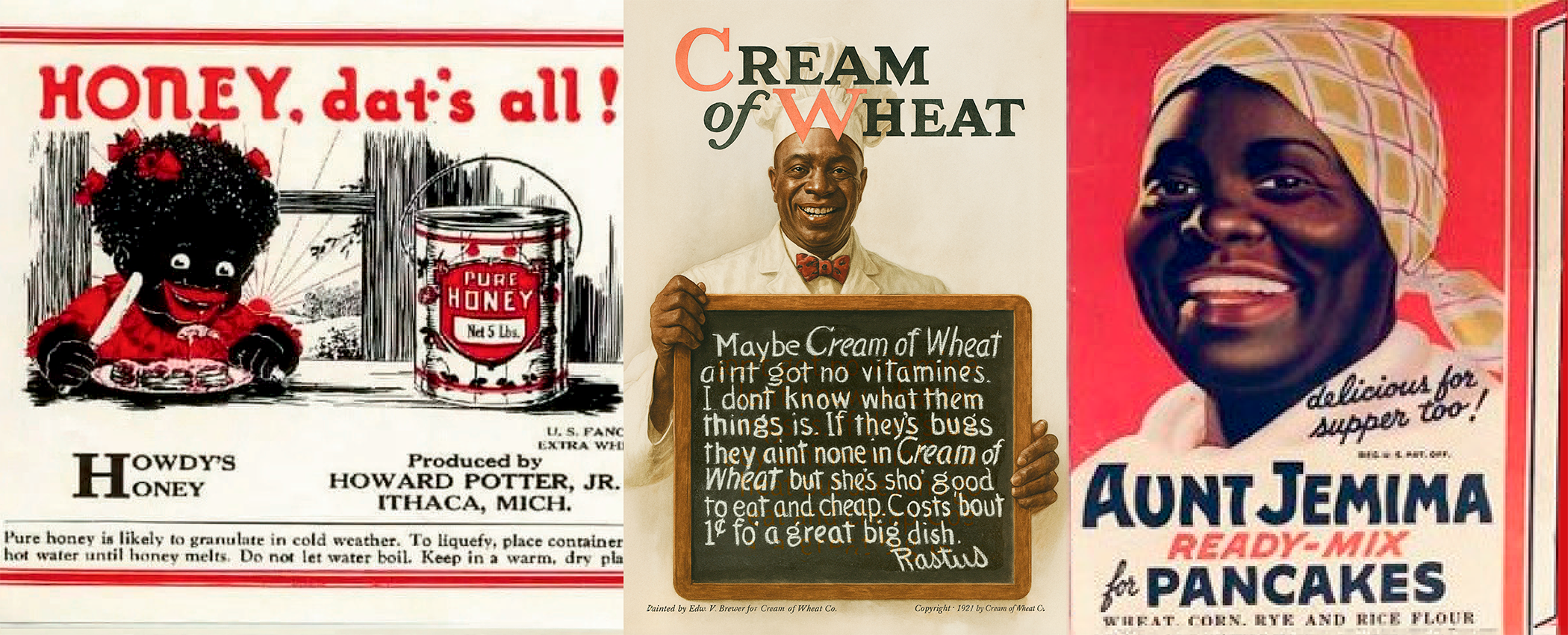
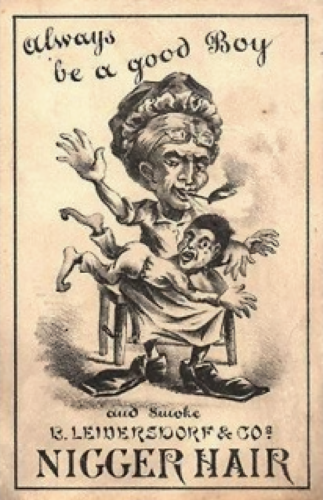
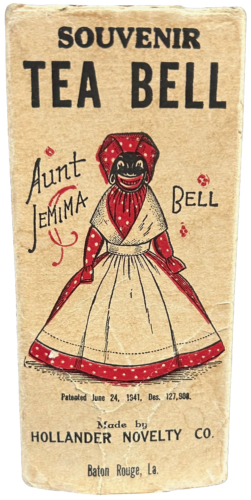
Advertising is a cornerstone of the United States economy. It informs consumers and shapes how they view products, services, or causes. It can also reflect the climate of society. Many advertisements, especially from the late 1800s and early 1900s, showed African Americans through harmful images. These advertisements show how racism was normalized and marketed in American culture.
Black people were often shown as servants or foolish and uneducated characters. Advertisements often gave them exaggerated features and manufactured versions of Black speech. By portraying African Americans as ignorant and uncivilized, these advertisements made ridiculous racial roles seem normal.
Advertising is a cornerstone of the United States economy. It informs consumers and shapes how they view products, services, or causes. It can also reflect the climate of society. Many advertisements, especially from the late 1800s and early 1900s, showed African Americans through harmful images. These advertisements show how racism was normalized and marketed in American culture.
Black people were often shown as servants or foolish and uneducated characters. Advertisements often gave them exaggerated features and manufactured versions of Black speech. By portraying African Americans as ignorant and uncivilized, these advertisements made ridiculous racial roles seem normal.
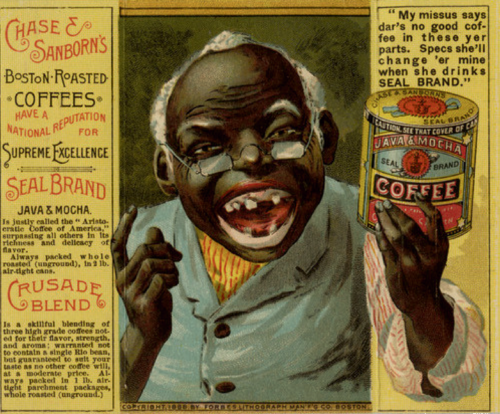
THEMES IN BLACK AMERICAN ADVERTISING
- Servant stereotypes – Depictions of Black men and women as loyal servants, cooks, porters, or laborers.
- Mammy imagery – The “mammy” figure portrayed Black women as cheerful domestic workers.
- Child caricatures – Exaggerated depictions of Black children used on food products, toys, and household goods.
- Comic stereotypes – Advertisements often portrayed African Americans aslazy, uneducated, or foolish for humor.
- Product branding – Racist imagery was used to sell food, tobacco, household products, and restaurant services.
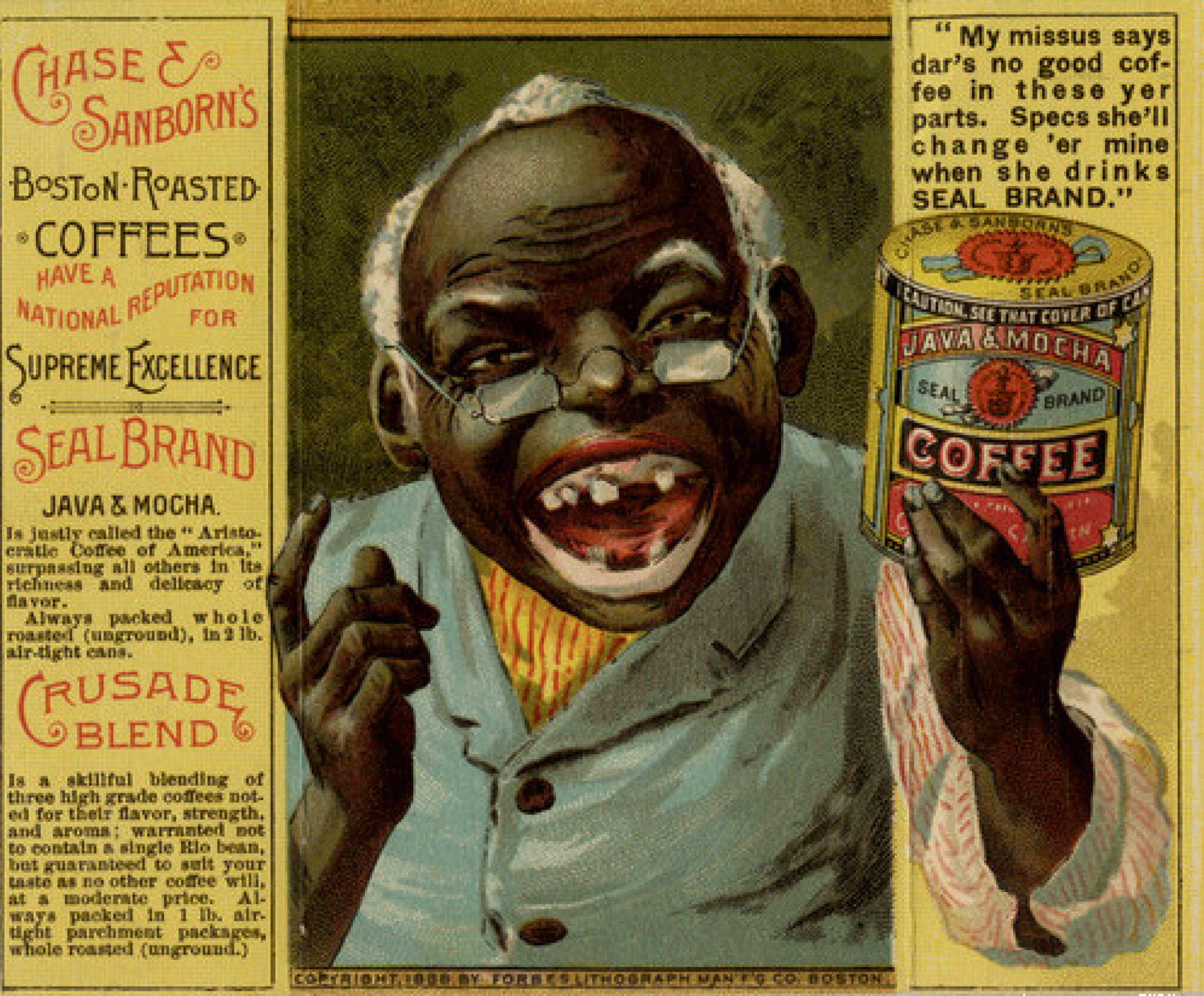
THEMES IN BLACK AMERICAN ADVERTISING
- Servant stereotypes – Depictions of Black men and women as loyal servants, cooks, porters, or laborers.
- Mammy imagery – The “mammy” figure portrayed Black women as cheerful domestic workers.
- Child caricatures – Exaggerated depictions of Black children used on food products, toys, and household goods.
- Comic stereotypes – Advertisements often portrayed African Americans aslazy, uneducated, or foolish for humor.
- Product branding – Racist imagery was used to sell food, tobacco, household products, and restaurant services.
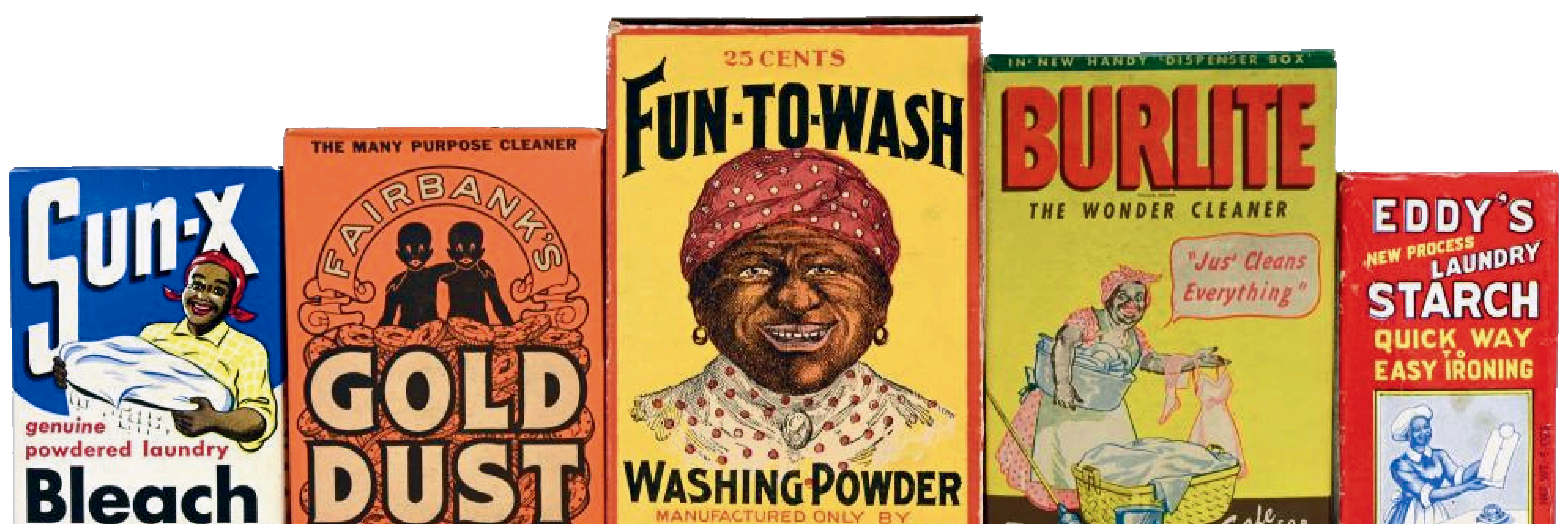
Click for more An American Inheritance exhibits:
Welcome to gallery - An American Inheritance | The Story of Racist Memorabilia in WI & the US
Introducing / Unpacking Stereotypes
Comments Are Welcome
Note: We moderate submissions in order to create a space for meaningful dialogue, a space where museum visitors – adults and youth –– can exchange informed, thoughtful, and relevant comments that add value to our exhibits.
Racial slurs, personal attacks, obscenity, profanity, and SHOUTING do not meet the above standard. Such comments are posted in the exhibit Hateful Speech. Commercial promotions, impersonations, and incoherent comments likewise fail to meet our goals, so will not be posted. Submissions longer than 120 words will be shortened.
See our full Comments Policy here.