An American Inheritance: Stereotypes of Black Men
Share
Explore Our Galleries


Breaking News!
Today's news and culture by Black and other reporters in the Black and mainstream media.
Ways to Support ABHM?
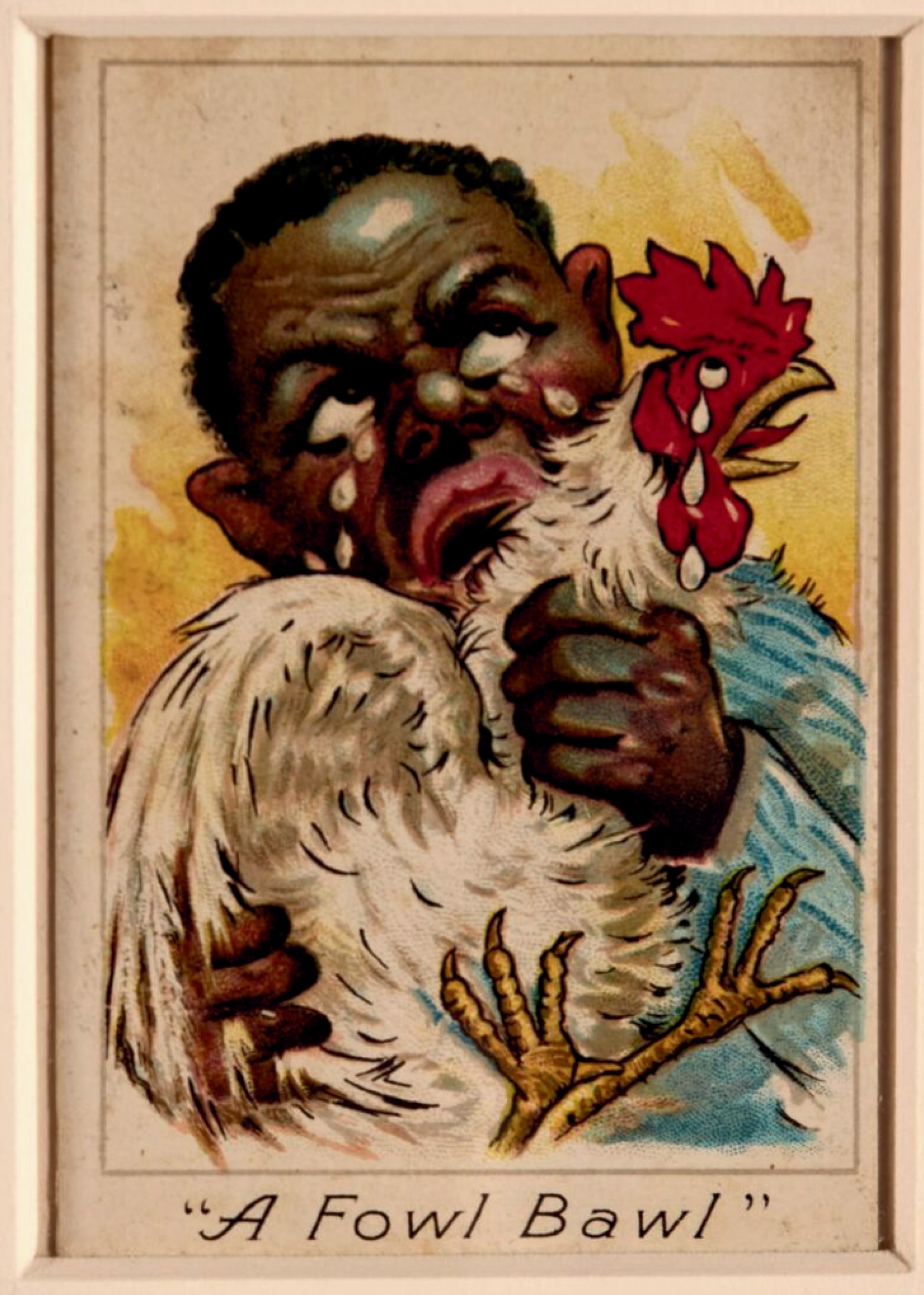
SAMBO
The Sambo stereotype portrayed Black men as simpleminded, obedient, and happy to be enslaved. This stereotype was intentionally created to justify enslaving Black men by portraying them as childlike and in need of the direction and care of their enslavers.
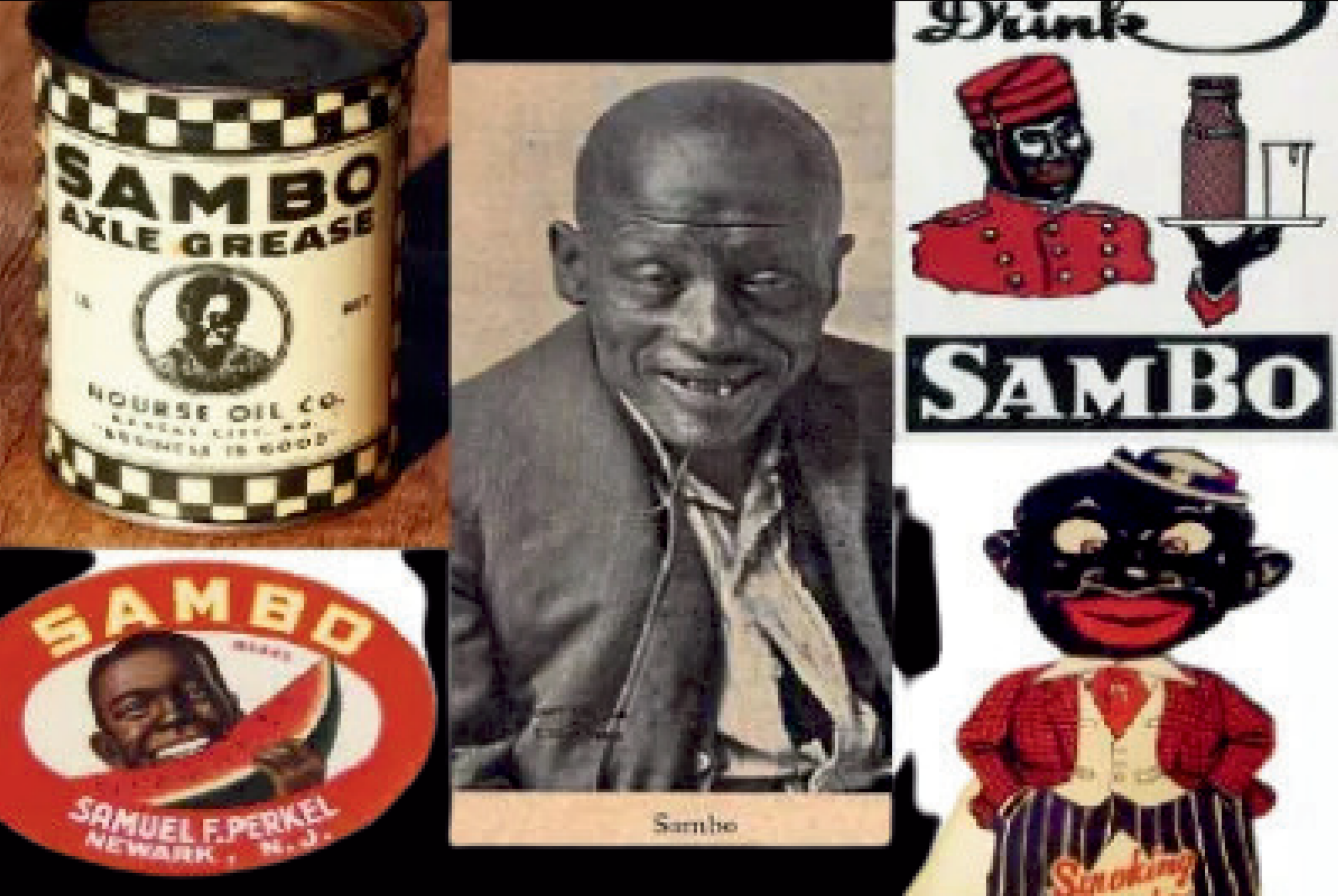
This image was reproduced everywhere during and after slavery. It appeared in music, literature, children’s stories, games, postcards, and even restaurant names. Repeating this image helped shape attitudes toward African American men as less intelligent and unable to care for themselves. These stereotypes persist today.
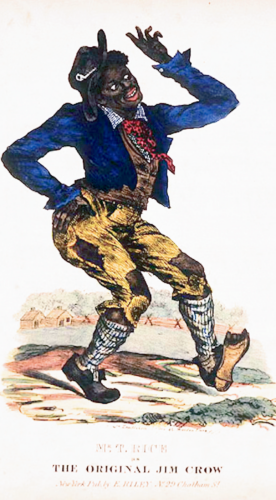
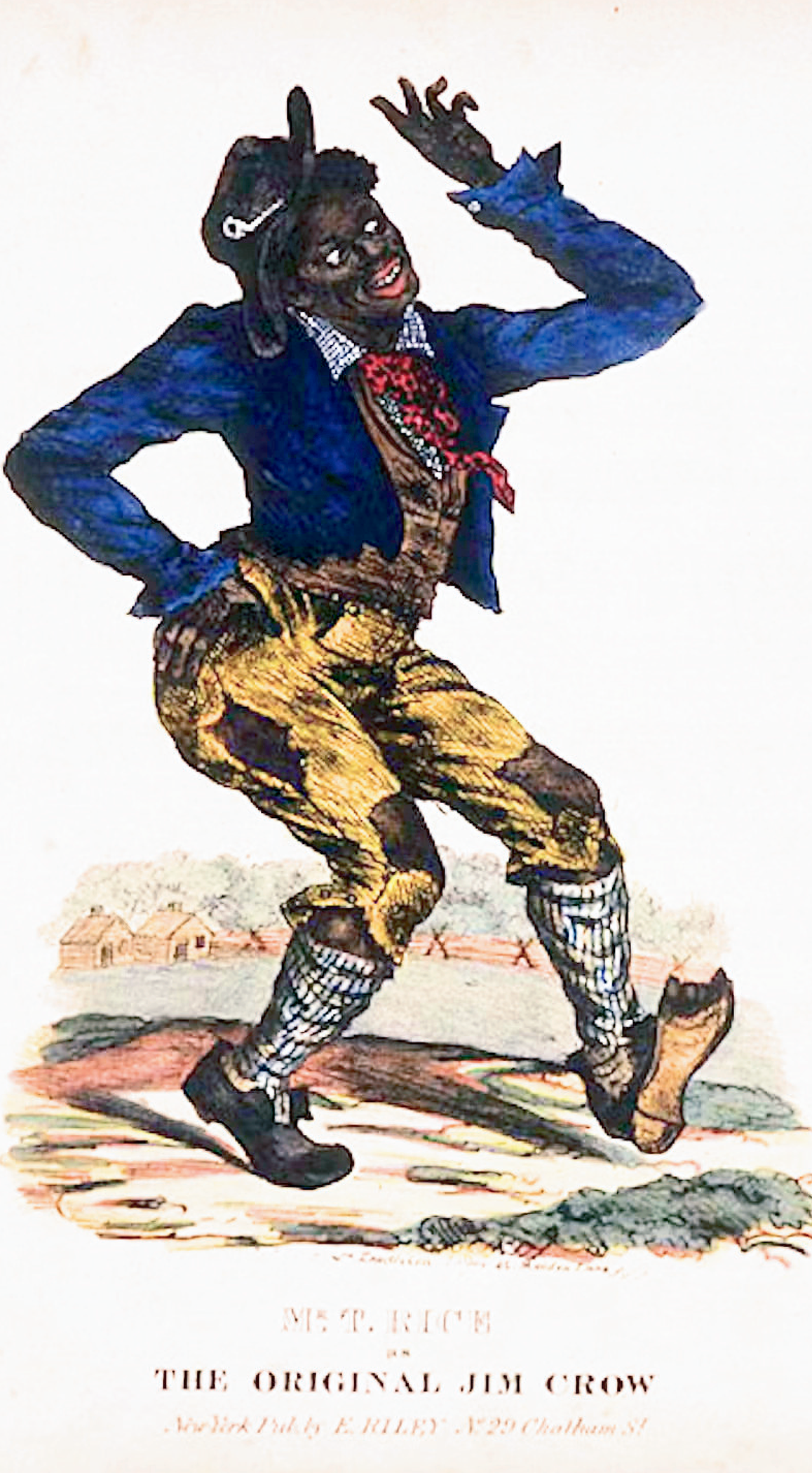
JIM CROW
The Jim Crow character, which gave the violent and racist era its name, came from blackface minstrelsy. Minstrelsy was a form of entertainment in which racist stereotypes were performed on stage. White performers often darkened their faces and acted out images of Black men as clownlike, crude, simpleminded,and often dancing.
This image became the “most persistent and influential image” of African Americans in history. At least 30 full-time minstrel companies performed across the country before and after the Civil War. The Jim Crow caricature “became the image of the Black man in the mind of the white western world.” This stereotype reinforced ideas of Black inferiority. It also promoted the false belief that African Americans were happy under segregation. These ideas helped justify legal segregation and racial violence during the Jim Crow era and beyond.
THE SAVAGE
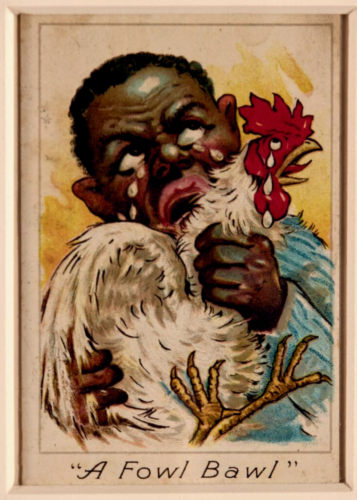
The film Birth of a Nation, which premiered in 1915, quickly helped change the main stereotype used against Black men from Sambo and Jim Crow to the Savage. Instead of showing Black men as docile, happy, simple, and silly, the Savage was meant to make white people see Black men as dangerous and threatening. This stereotype was used to justify lynchings and other acts of racial violence.
The Savage image was often shown as apelike and as needing to be civilized and controlled. This helped lead to violence against African Americans across the country and reinforced racist ideas in many areas of life, including medicine. Scientists conducted tests claimed to prove that Black people were savage and inferior. These racist ideas were used to justify the unconscionable treatment of African Americans during slavery, as well as the murder, torture, and oppression that continued after emancipation. The legacy of these stereotypes impact the depiction of Black men today.
JIM CROW
The Jim Crow character, which gave the violent and racist era its name, came from blackface minstrelsy. Minstrelsy was a form of entertainment in which racist stereotypes were performed on stage. White performers often darkened their faces and acted out images of Black men as clownlike, crude, simpleminded,and often dancing.
This image became the “most persistent and influential image” of African Americans in history. At least 30 full-time minstrel companies performed across the country before and after the Civil War. The Jim Crow caricature “became the image of the Black man in the mind of the white western world.” This stereotype reinforced ideas of Black inferiority. It also promoted the false belief that African Americans were happy under segregation. These ideas helped justify legal segregation and racial violence during the Jim Crow era and beyond.
THE SAVAGE
The film Birth of a Nation, which premiered in 1915, quickly helped change the main stereotype used against Black men from Sambo and Jim Crow to the Savage. Instead of showing Black men as docile, happy, simple, and silly, the Savage was meant to make white people see Black men as dangerous and threatening. This stereotype was used to justify lynchings and other acts of racial violence.
The Savage image was often shown as apelike and as needing to be civilized and controlled. This helped lead to violence against African Americans across the country and reinforced racist ideas in many areas of life, including medicine. Scientists conducted tests claimed to prove that Black people were savage and inferior. These racist ideas were used to justify the unconscionable treatment of African Americans during slavery, as well as the murder, torture, and oppression that continued after emancipation. The legacy of these stereotypes impact the depiction of Black men today.
Click for more An American Inheritance exhibits:
Welcome to gallery - An American Inheritance | The Story of Racist Memorabilia in WI & the US
Introducing / Unpacking Stereotypes
Click for more An American Inheritance exhibits:
Welcome to gallery - An American Inheritance | The Story of Racist Memorabilia in WI & the US
Introducing / Unpacking Stereotypes