Introducing / Unpacking Stereotypes
Share
Explore Our Galleries

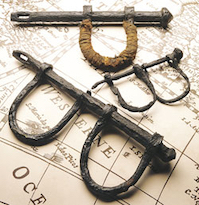
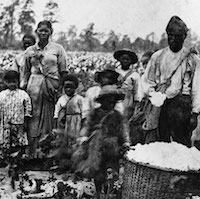
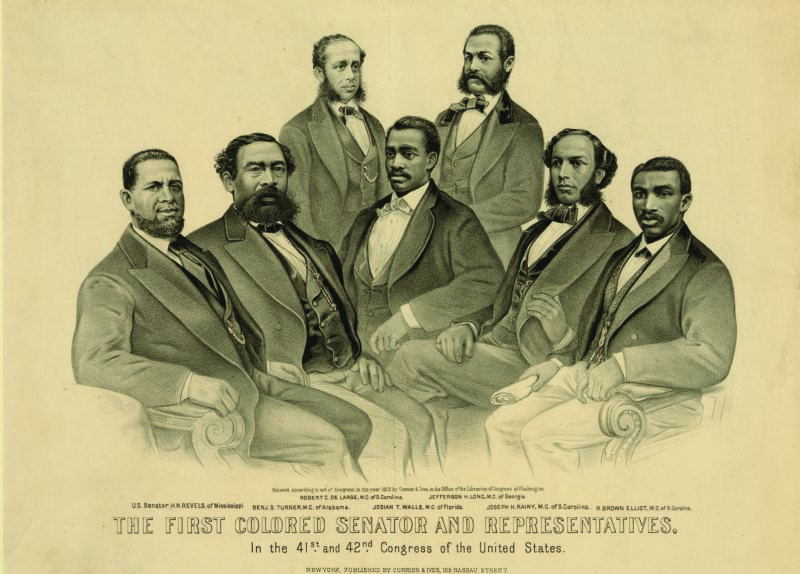

Breaking News!
Today's news and culture by Black and other reporters in the Black and mainstream media.
Ways to Support ABHM?
Stereotypes can be harmful and used to dehumanize groups of people through caricatures. Repeated racist caricatures like those featured in this exhibit reinforce stereotyping that applies these characteristics to an entire group of people. Political cartoons, minstrel shows, advertisements, and household items distort racial identities to justify denying human qualities, rights, or dignity to an individual or group.
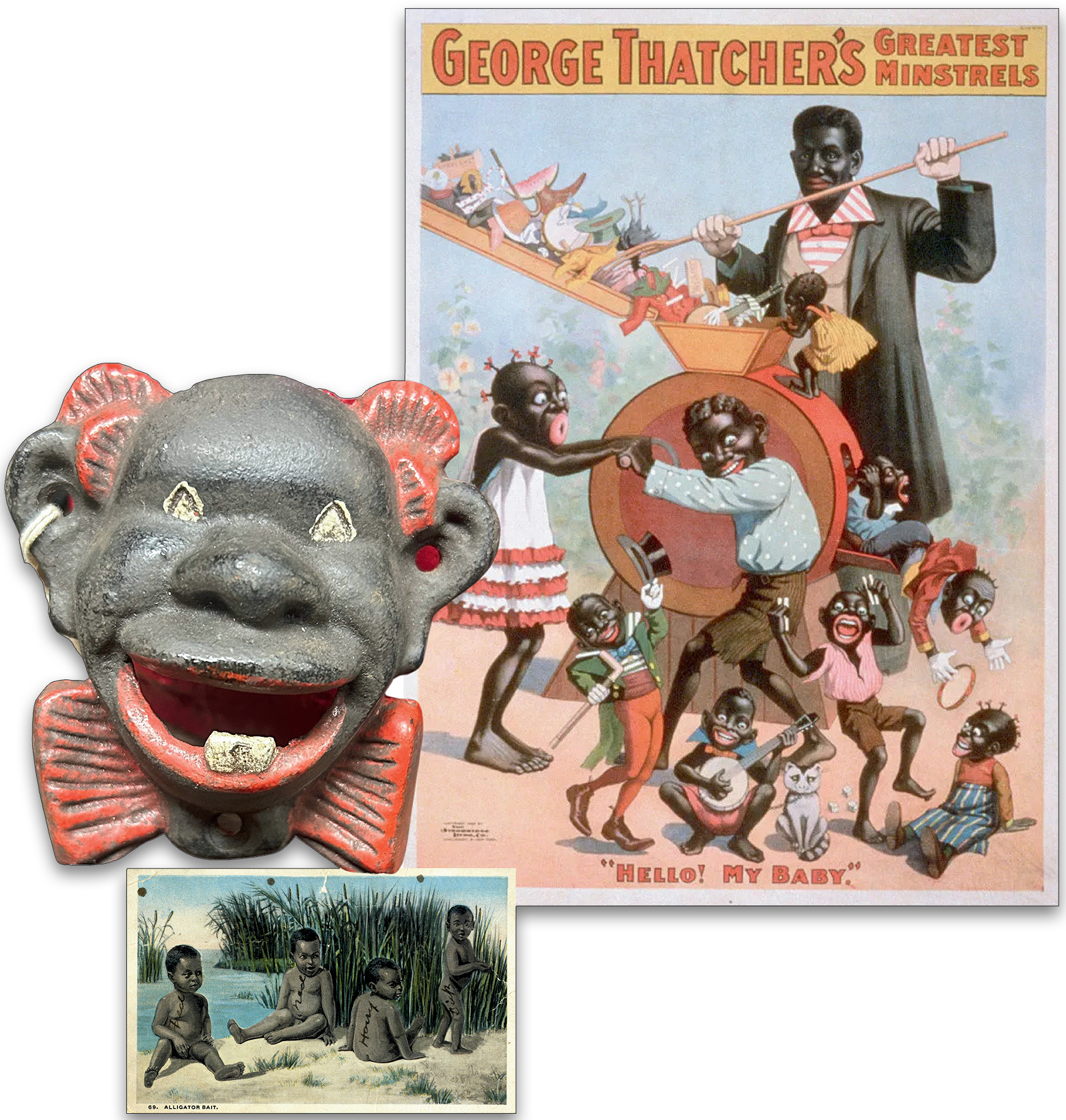
In this exhibit, we have organized the collections from both ABHM and WBHSM around the main stereotypes that were purposefully created and reproduced over and over again starting as early as slavery but proliferated during the Jim Crow Era.
Within each stereotype, we will talk about the main characteristics and, most importantly, the intentional impact they were meant to have on the newly freed Black community.
Americana
Refers to artifacts, cultural traditions or materials that are characteristic of the United States and evoke a sense of nostalgia or national identity.
Americana
Refers to artifacts, cultural traditions or materials that are characteristic of the United States and evoke a sense of nostalgia or national identity.
DEHUMANIZE
To dehumanize someone is to strip away their perceived human qualities, dignity, and individuality, treating them as if they are less than human, or like objects, animals, or machines.
OBJECTIFICATION
Objectification is the act of treating a person as a thing or an object rather than a complete human being with their own mind, feelings, and rights. It strips away personal value and reduces someone to a tool, a body part, or a commodity.
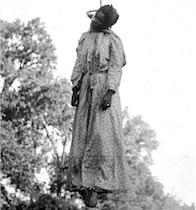
LYNCHING
Lynching is the illegal killing of a person by a mob without a legal trial or due process. Following the Civil War and through the mid-20th century, lynching was widely used as a tool of racial terror. White mobs targeted Black Americans to maintain white supremacy and enforce social control. ABHM founder, Dr. James Cameron, survived a lynching in Marion, Indiana in 1930.
Click to Learn More
Click for more An American Inheritance exhibits:
Welcome to gallery - An American Inheritance | The Story of Racist Memorabilia in WI & the US
Introducing / Unpacking Stereotypes
Click for more An American Inheritance exhibits:
Welcome to gallery - An American Inheritance | The Story of Racist Memorabilia in WI & the US
Introducing / Unpacking Stereotypes
Comments Are Welcome
Note: We moderate submissions in order to create a space for meaningful dialogue, a space where museum visitors – adults and youth –– can exchange informed, thoughtful, and relevant comments that add value to our exhibits.
Racial slurs, personal attacks, obscenity, profanity, and SHOUTING do not meet the above standard. Such comments are posted in the exhibit Hateful Speech. Commercial promotions, impersonations, and incoherent comments likewise fail to meet our goals, so will not be posted. Submissions longer than 120 words will be shortened.
See our full Comments Policy here.