Race
Explore Our Online Exhibits









Breaking News


Worldwide Community Events
Week 4
- Sun 1
- Mon 2
- Tue 3
- Wed 4
- Thu 5
- Fri 6
- Sat 7
- Sun 8
- Mon 9
- Tue 10
- Wed 11
- Thu 12
- Fri 13
- Sat 14
- Sun 15
- Mon 16
- Tue 17
- Wed 18
- Thu 19
- Fri 20
- Sat 21
- Sun 22
- Mon 23
- Tue 24
- Wed 25
- Thu 26
- Fri 27
- Sat 28
- Sun 29
- Mon 30
- Tue 31
- Wed 1
- Thu 2
- Fri 3
- Sat 4
-
04March

ABHM Discounted Tours
ABHM in Milwaukee, WI04March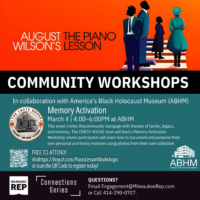 4:00 PM - 6:00 PM
Memory of Activation: Community Workshop with Milwaukee Repertory Theater
ABHM in Milwaukee, WI -
05March
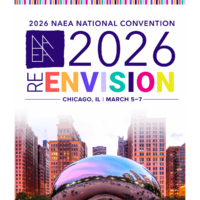
National Association Arts Education Association Convention
Hyatt Regency Chicago -
06March
National Association Arts Education Association Convention
Hyatt Regency Chicago -
07March
National Association Arts Education Association Convention
Hyatt Regency Chicago07March
-
11March
ABHM Discounted Tours
ABHM in Milwaukee, WI11March
Black Enterprise Women of Power Summit 2026
Bellagio Hotel & Casino11March
-
12March
Black Enterprise Women of Power Summit 2026
Bellagio Hotel & Casino -
13March
Black Enterprise Women of Power Summit 2026
Bellagio Hotel & Casino -
14March
Black Enterprise Women of Power Summit 2026
Bellagio Hotel & Casino14March
-
15March
Black Enterprise Women of Power Summit 2026
Bellagio Hotel & Casino -
18March
ABHM Discounted Tours
ABHM in Milwaukee, WI -
22March
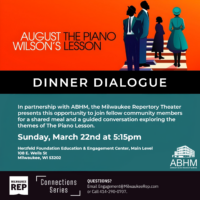 5:15 PM
Milwaukee Repertory Theater Dinner Dialogue on The Piano Lesson
Herzfeld Foundation & Engagement Center -
24March

National Association of Black Social Workers Conference
Detroit Marriott at the Renaissance Center -
25March
ABHM Discounted Tours
ABHM in Milwaukee, WI25MarchNational Association of Black Social Workers Conference
Detroit Marriott at the Renaissance Center -
26March
National Association of Black Social Workers Conference
Detroit Marriott at the Renaissance Center -
27March
National Association of Black Social Workers Conference
Detroit Marriott at the Renaissance Center -
28March
National Association of Black Social Workers Conference
Detroit Marriott at the Renaissance Center28March 9:00 AM - 3:00 PM
Justice in Action Conference with Dasha Kelly
Marquette University Alumni Union, Rm 16328March 28March
-
01April
ABHM Discounted Tours
ABHM in Milwaukee, WI
Share
The concept of race is important to America's Black Holocaust Museum because of its impact on the African diaspora. Race is a way of categorizing people by physical features–predominantly skin color. In much of the world, the white (caucasian) race is viewed more favorably than other races. The social construct has been used to justify kidnapping and enslaving African peoples and centuries of racism, including redlining, Jim Crow laws, anti-Black violence, and racial stereotypes about laziness, to give just a few examples.
While race-based arguments for inhumane treatment do not reflect biological reality, especially because someone can be of multiple races, members of the same race may share certain cultural and genetic characteristics. For example, the Black community is disproportionately impacted by Sickle Cell Disease. However, it is important to remember that commonalities between people of the same race do not indicate a genetic or biological component. Instead, racism contributes to environments in ways that can have serious and lasting impacts, especially on Black health and wealth. For example, redlining and lack of money led to many Black people living in areas with more pollution, and those in the medical field do not always provide the same service to Black patients, both of which can impact health.
Because of these inequalities, the Civil Rights Movement and other social, legal, and economic efforts for equality often specifically benefit Black people and other people of color. Race and its impact on the world have also been the topic of interdisciplinary study, and some artists specifically incorporate race--and racism--into their work. Furthermore, race can be a source of pride, sometimes in response to racism and negative stereotypes.

Healing circles at the University of Maryland-Baltimore County build common ground among students to spark action and healing.
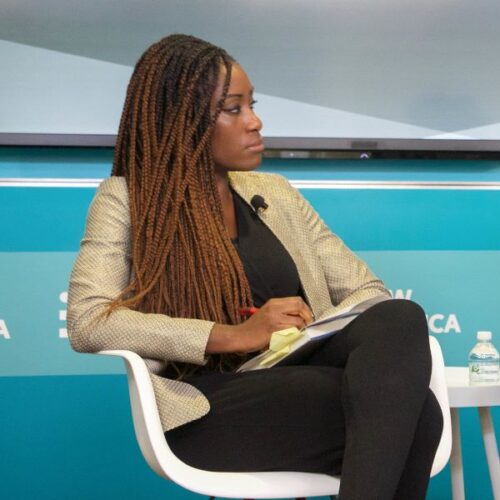
One professor won’t let Columbia canceling her class stop her from teaching how media plays a role in race. She’ll teach the public instead.
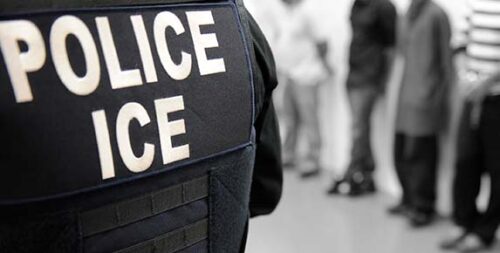
Some in the Black community have looked the other way while ICE agent have mostly focused on detaining certain groups, including Latinos.

Racist words, even those stemming from slavery, are still casually used today without thought to whom they may harm.
The previous calculations inflated Black patients’ kidney performance numbers, which decreased their eligibility for transplants.
- « Previous
- 1
- 2
- 3
- 4