Explore Our Online Exhibits









Breaking News


Worldwide Community Events
Week 5
- Sun 30
- Mon 31
- Tue 1
- Wed 2
- Thu 3
- Fri 4
- Sat 5
- Sun 6
- Mon 7
- Tue 8
- Wed 9
- Thu 10
- Fri 11
- Sat 12
- Sun 13
- Mon 14
- Tue 15
- Wed 16
- Thu 17
- Fri 18
- Sat 19
- Sun 20
- Mon 21
- Tue 22
- Wed 23
- Thu 24
- Fri 25
- Sat 26
- Sun 27
- Mon 28
- Tue 29
- Wed 30
- Thu 1
- Fri 2
- Sat 3
-
30August30August
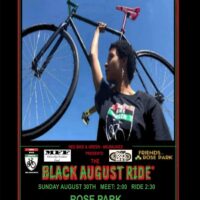
-
31August
-
No Events
-
19September
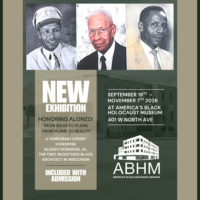 19September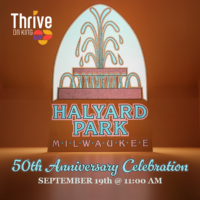
-
20September
-
21September
-
22September
-
23September
-
24September
-
25September
-
26September26September
 26September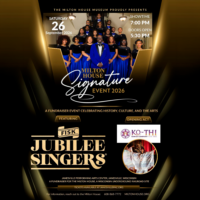
-
27September
-
28September
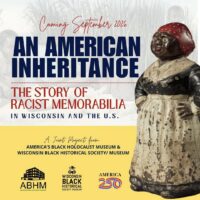
An American Inheritance: The Story of Racist Memorabilia
Wisconsin Black Historical Society in MKE28September -
29September
An American Inheritance: The Story of Racist Memorabilia
Wisconsin Black Historical Society in MKE29September -
30September
An American Inheritance: The Story of Racist Memorabilia
Wisconsin Black Historical Society in MKE30September -
01October
An American Inheritance: The Story of Racist Memorabilia
Wisconsin Black Historical Society in MKE01October -
02October
An American Inheritance: The Story of Racist Memorabilia
Wisconsin Black Historical Society in MKE02October -
03October
An American Inheritance: The Story of Racist Memorabilia
Wisconsin Black Historical Society in MKE03October03October 9:00 AM - 4:00 PM
18th Annual Black Women’s Wellness Day
Monona Terrace Community & Convention Center
Share
"Resistance" is one of America's Black Holocaust Museum's four themes, which serve as pillars in our virtual museum.
People of African descent in this country have been targets of injustice for five hundred years, but they have not been simply victims. At America's Black Holocaust Virtual Museum, we remember the many ways that black people and freedom-loving white people have resisted injustice, even when doing so threatened their lives and liberty.
However, resistance can also take on a negative format when those people who have benefitted from systemic racism oppose changes that would benefit the Black community or other people of color. We are currently in the midst of cultural and political resistance that threatens equality and progress.
Many events and breaking news articles continue to showcase this theme as Black Americans break stereotypes and barriers to success.
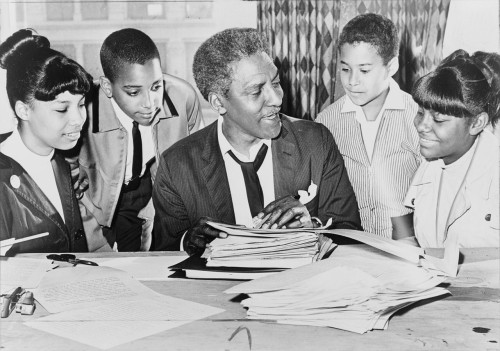
Why haven’t more people heard about Bayard Rustin? Rustin organized sit-ins and freedom rides some twenty years before the 1960s Civil Rights Movement. He was the person who convinced Dr. King to use nonviolence in the Montgomery bus boycott, and he organized King’s 1963 March on Washington. Learn why Bayard Rustin remains an unsung hero despite his groundbreaking work over a long lifetime.

The day after four little girls were murdered in church, a young white family man gave a speech about racism at a meeting of his Birmingham men’s club. He was to be forever shunned. This is what he said.
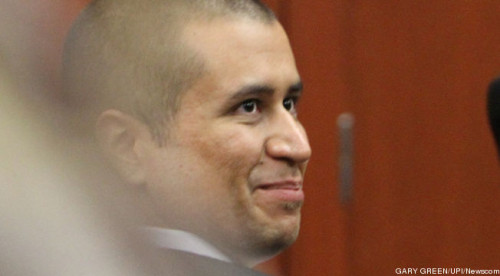
Harvard professor Lawrence Bobo explains how the Zimmerman verdict reflects the racism at America’s core – leading to the continual dehumanization of blacks. When cultural racism is this deeply embedded in America’s basic cultural toolkit, it need not be named or even consciously embraced to work its ill effects.
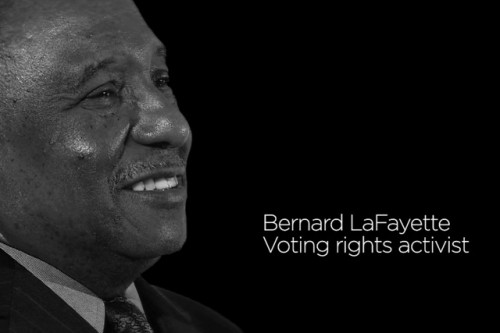
Bernard Lafayette is one of the founding fathers of the Voting Rights Act. He was part of a small interracial army of men and women who presented their bodies as living sacrifices for the Act. Some lost their friends, their families, their minds — even their lives. But 50 years after their greatest triumph, their struggle is in danger of being lost.
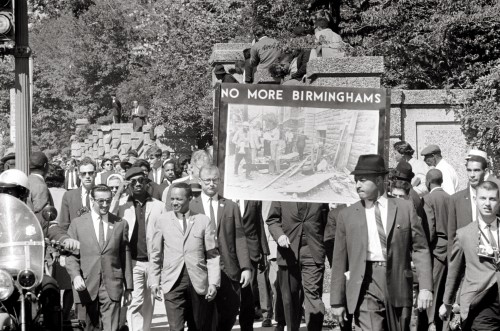
Why didn’t the Civil Rights Movement end racism in America? The social movements of the 1960s achieved some important changes for civil rights, women’s rights, and the environment. However, not everyone agreed with these changes. During the 1970s and 1980s, opponents started a movement of their own. Their goal was to overturn the gains of the 1960s.
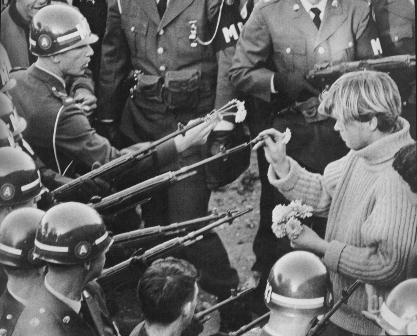
The 1960s saw an upsurge in civil rights and other organizations promoting freedom and equality for blacks and women. The 1970s brought a backlash against those movements by well-funded and well-placed organizations of the Right seeking more freedom for corporations and a return to traditional roles for women. In the 1980’s, hip-hop and punk rock music expressed anger at “The Power” through their lyrics instead of through actions to change laws.
- « Previous
- 1
- 2