Yes, filling out race on forms is tiresome. Here’s why it matters.
Share
Explore Our Galleries









Breaking News!
Today's news and culture by Black and other reporters in the Black and mainstream media.
Ways to Support ABHM?
By Neda Khoshkhoo and Jasmine Gonzales Rose, Boston Globe
Yes, filling out race on forms is tiresome. Here’s why it matters.
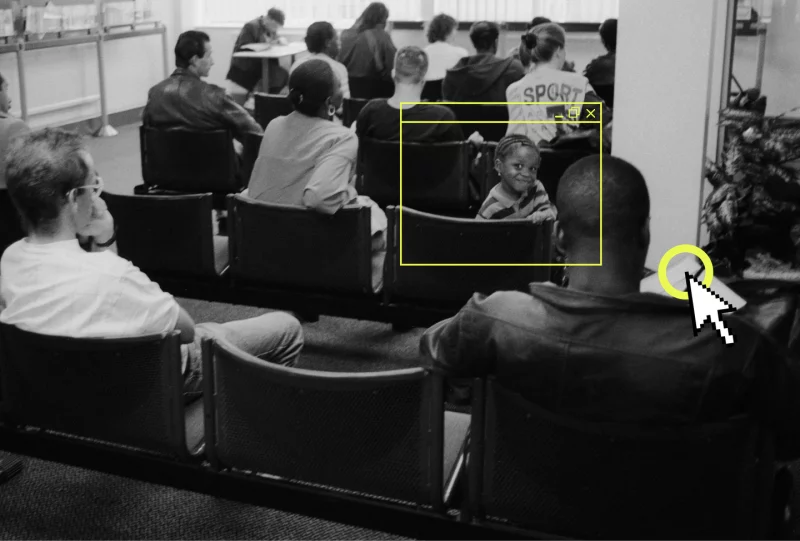
Filling out your race and ethnicity on a form may feel tiresome, and even uncomfortable. You have been checking these boxes for years, as has everyone else, and the questions may seem irrelevant.
“What does race have to do with my doctor’s appointment?” you might ask. Or a form may be inaccurate: “I’m Middle Eastern, why don’t I get a box to check?” Perhaps it feels intrusive: “How is this information going to be used?” And you may wonder, “Why are we always talking about race?”
The truth is, we need to keep talking about race. Even more than we currently do.
This isn’t because race tells us anything about how people think or act; it doesn’t. Race is not a fixed, biological fact but rather a social and power construct. We need to talk about it because we need to root out racism. We need to understand and document how people’s lived experiences differ based on how they are racialized.
Data is a powerful tool in understanding how racism operates, how resources are distributed, and how different racial and ethnic groups experience benefits or harms.
879yu7Data can uncover striking racial inequities and point to the need for specific policy changes. For example, at the start of the pandemic, many mischaracterized COVID-19 as the “great equalizer.” But the COVID Racial Data Tracker, a partnership between the Boston University Center for Antiracist Research and The Atlantic, showed the virus harmed Black, Indigenous, and Latino communities the most. This information was ultimately used to determine more equitable locations for COVID-19 testing sites and vaccine distribution.
Missing and incomplete data, lack of information that can be compared across time and geography, infrequently updated data, and other problems make the work of data scientists who are trying to study racism exponentially harder. This, in turn, directly affects people’s day-to-day lives.
Data can be instrumental to racial repair and reconciliation. Learn why the myth of race persists.
More breaking news here.
Comments Are Welcome
Note: We moderate submissions in order to create a space for meaningful dialogue, a space where museum visitors – adults and youth –– can exchange informed, thoughtful, and relevant comments that add value to our exhibits.
Racial slurs, personal attacks, obscenity, profanity, and SHOUTING do not meet the above standard. Such comments are posted in the exhibit Hateful Speech. Commercial promotions, impersonations, and incoherent comments likewise fail to meet our goals, so will not be posted. Submissions longer than 120 words will be shortened.
See our full Comments Policy here.