Black and Jewish America: An Interwoven History
Share
Explore Our Galleries









Breaking News!
Today's news and culture by Black and other reporters in the Black and mainstream media.
Ways to Support ABHM?
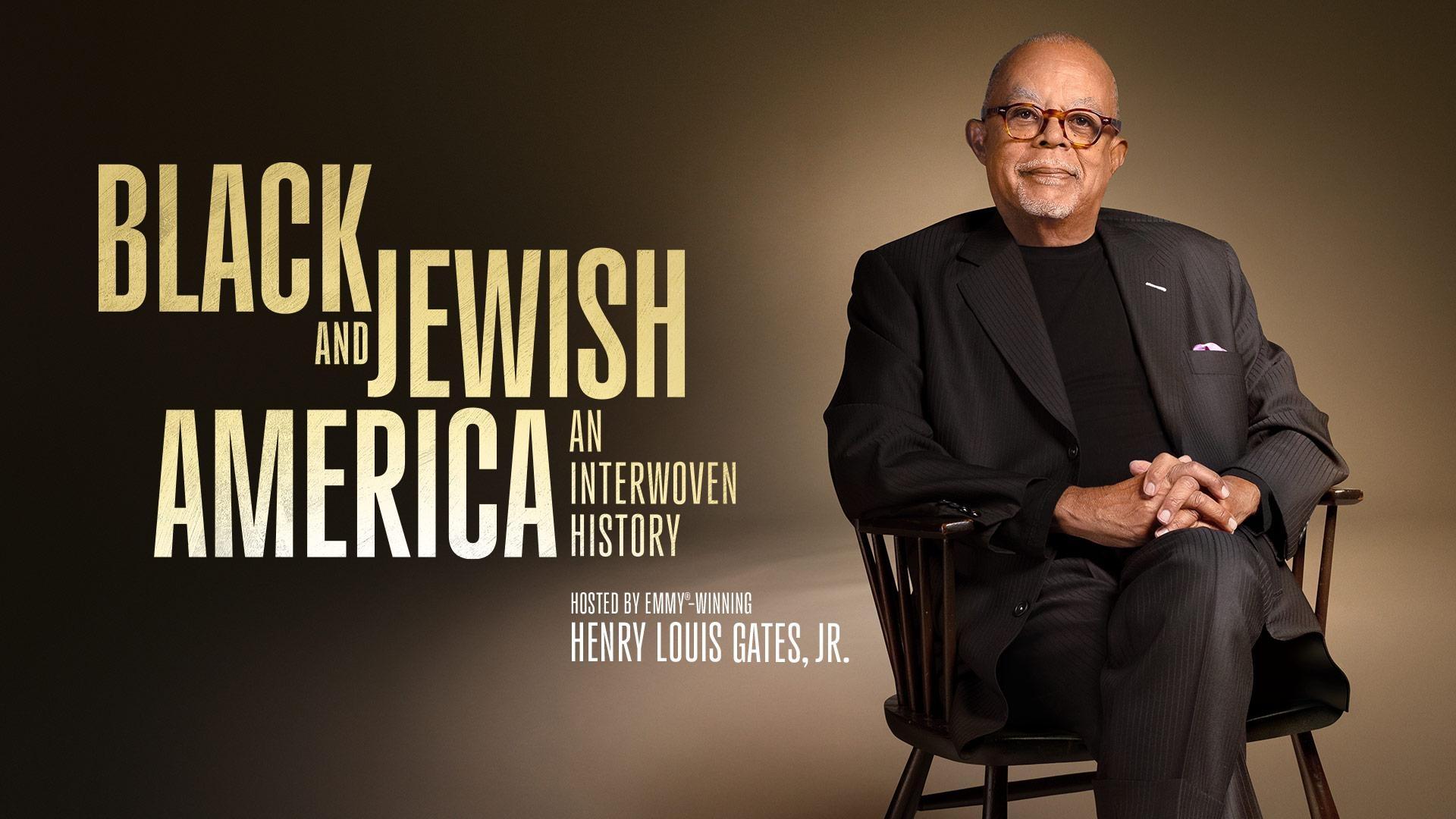
PBS Docuseries Black and Jewish America: An Interwoven History
Premieres Tuesday, February 3, 2026 at 9/8c on PBS
PBS presents Black and Jewish America: An Interwoven History, a new four-part documentary series hosted, written, and executive produced by Henry Louis Gates Jr. that traces the rich and complex relationship between Black and Jewish Americans. The series examines how shared experiences of racism and antisemitism brought these communities together in civic and cultural life — especially during the Civil Rights Movement — and how that alliance was tested by division, political change, and shifting social landscapes. By exploring collaboration, tension, and the enduring promise of solidarity, the series offers crucial historical context for understanding how multiracial partnerships have shaped American democracy.
Over four consecutive Tuesdays in February, PBS will air each episode at 9:00 p.m. ET/8:00 p.m. CT, with the series running from February 3 through February 24. Each installment highlights key eras and themes in the Black–Jewish relationship:
- Episode 1 – “Let My People Go” (Feb. 3) explores the early 20th-century origins of both communities’ American journeys and early civic partnerships.
- Episode 2 – “Strange Fruit” (Feb. 10) focuses on cultural collaborations, activism, and resistance to injustice in the 1920s–1950s.
- Episode 3 – “The ‘Grand Alliance’” (Feb. 17) traces the interracial coalition of the 1960s civil rights era and the imbalances that tested it.
- Episode 4 – “Crossroads” (Feb. 24) examines later decades of political change, global tensions, and enduring lessons in coalition building.
The series will also be available to stream via PBS.org, the PBS App, and, in many markets, the PBS Documentaries channel, offering audiences multiple ways to engage with this important American history.
For more information click here.
For more Breaking News click here.
For more ABHM galleries click here.
Comments Are Welcome
Note: We moderate submissions in order to create a space for meaningful dialogue, a space where museum visitors – adults and youth –– can exchange informed, thoughtful, and relevant comments that add value to our exhibits.
Racial slurs, personal attacks, obscenity, profanity, and SHOUTING do not meet the above standard. Such comments are posted in the exhibit Hateful Speech. Commercial promotions, impersonations, and incoherent comments likewise fail to meet our goals, so will not be posted. Submissions longer than 120 words will be shortened.
See our full Comments Policy here.