When Chaos Came to Chicago: An Oral History of the 1968 Convention Riots
Share
Explore Our Galleries









Breaking News!
Today's news and culture by Black and other reporters in the Black and mainstream media.
Ways to Support ABHM?
By Julie Bosman and Robert Chiarito, The New York Times
When Democrats met that year, the violence that erupted between protesters and the police shook the nation. Here are memories of some of the people who lived it.
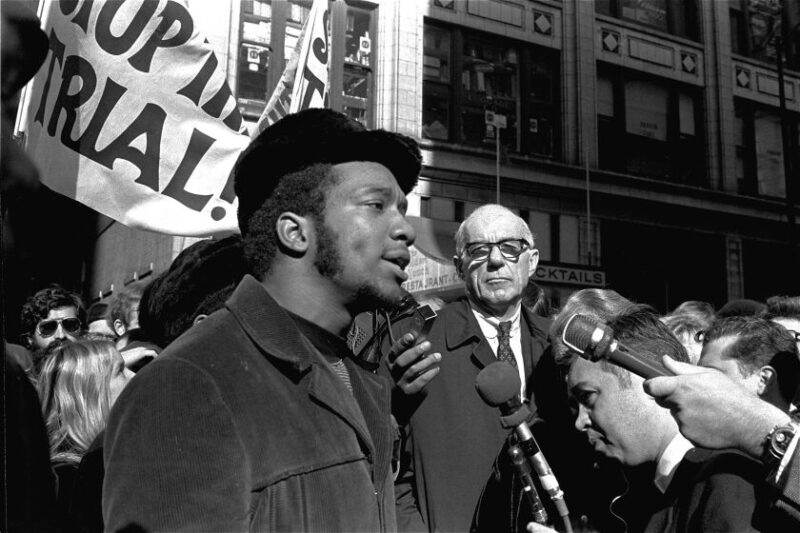
It was August 1968, and Chicago was ready to combust. The Democratic National Convention had come to town, along with thousands of delegates, guests and journalists. Demonstrators arrived in the city ready for battle, protesting the United States’ involvement in the Vietnam War, which by then had killed more than 25,000 Americans. Mayor Richard J. Daley, who had seen the West Side of his city burn months earlier after the assassination of Martin Luther King Jr., was determined to protect the city’s residents from more unrest — and crack down on protesters who were furious at the war, the draft and the deaths of their peers.
And he did. Over several days, protesters and the police clashed on the streets in rioting that was captured on national television. Authorities used tear gas, called in the National Guard and arrested hundreds of demonstrators, often with brutal force.
There are some unmistakable parallels between that convention and the one beginning on Monday in Chicago: an overseas conflict stirring disapproval at home, a wave of campus demonstrations and a new Democratic presidential nominee taking the stage.
But the comparisons end there, many people who remember 1968 said. The turmoil and tension leading into the 1968 convention in Chicago were far different from this year’s, which is now characterized by Vice President Kamala Harris’s campaign of optimism. Police officers have been trained to protect protesters’ First Amendment rights and to de-escalate situations — and the current mayor of Chicago, Brandon Johnson, who has joined labor protests in the past, is part of the progressive wing of the Democratic Party.
Still, the chaos of 1968 remains vivid. Here are recollections of what happened, as told by the activists, journalists, police officers and other observers who lived it. Some comments have been edited for brevity and clarity.
Find more Breaking News here.
Explore our virtual exhibit galleries here.
Comments Are Welcome
Note: We moderate submissions in order to create a space for meaningful dialogue, a space where museum visitors – adults and youth –– can exchange informed, thoughtful, and relevant comments that add value to our exhibits.
Racial slurs, personal attacks, obscenity, profanity, and SHOUTING do not meet the above standard. Such comments are posted in the exhibit Hateful Speech. Commercial promotions, impersonations, and incoherent comments likewise fail to meet our goals, so will not be posted. Submissions longer than 120 words will be shortened.
See our full Comments Policy here.