Organizations celebrate 100th anniversary of Black History Month
Share
Explore Our Galleries









Breaking News!
Today's news and culture by Black and other reporters in the Black and mainstream media.
Ways to Support ABHM?
Bryant Reed, CBS News
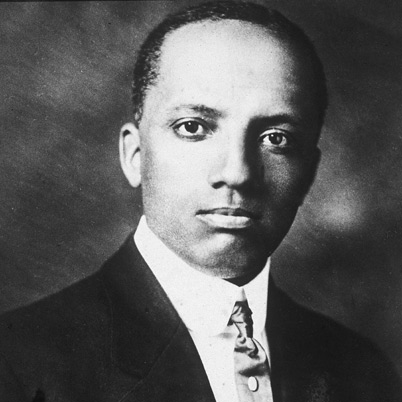
Dr. Kaye Wise Whitehead and the Association for the Study of African American Life and History (ASALH) are celebrating the centennial of what began in 1926 as Negro History Month.
Founded by Dr. Carter G. Woodson, it grew into Black History Month under President Gerald Ford.
Educating about Black history
Dr. Whitehead, the ASALH President, believes this is a pivotal time for Black history.
“We’re talking about laying the groundwork, laying the foundational work that needs to be done so that Black history is taught as a part of the American historical curriculum and story,” Whitehead said. “It’s not just about only one month, and then, you know, when we come out of February, we don’t talk about Black History Month again until next year. It’s about setting aside this month to lay the foundation of work.”
Through national programs, social media and prominent speakers, ASALH lays that groundwork by maintaining its position at the forefront for black history and empowerment.
ASALH highlights all of the contributions to American history that Black people have made.
“That Black history is written in pen and not in pencil,” Whitehead said. “You cannot dismantle, you cannot erase, you cannot destroy the stories of Black people in this country
Keep reading to learn more about Black History Month as some try to erase Black history.
Discover Black history at any time in our virtual exhibits.
Comments Are Welcome
Note: We moderate submissions in order to create a space for meaningful dialogue, a space where museum visitors – adults and youth –– can exchange informed, thoughtful, and relevant comments that add value to our exhibits.
Racial slurs, personal attacks, obscenity, profanity, and SHOUTING do not meet the above standard. Such comments are posted in the exhibit Hateful Speech. Commercial promotions, impersonations, and incoherent comments likewise fail to meet our goals, so will not be posted. Submissions longer than 120 words will be shortened.
See our full Comments Policy here.