What is ‘Cop City’? How opposition to an Atlanta police center prompted national demonstrations
Share
Explore Our Galleries









Breaking News!
Today's news and culture by Black and other reporters in the Black and mainstream media.
Ways to Support ABHM?
By Char Adams, NBC News
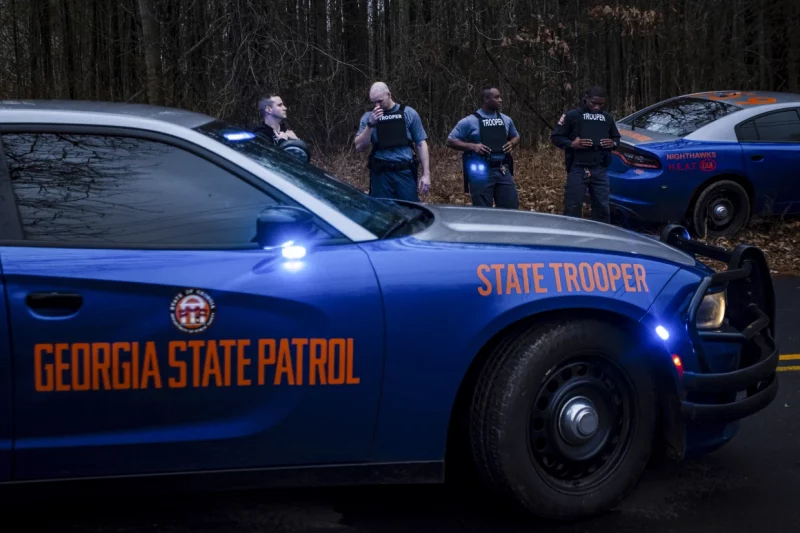
What began as a peaceful protest and vigil in Atlanta honoring a slain activist ended in property damage and several arrests Saturday. The chaotic night came after nearly two years of organizers and activists imploring city leaders, raising awareness and protesting the city’s plans to build a sprawling police training center in a forest near Atlanta.
“We’ve tried everything. We went through City Council, we’ve taken the legislative route, we’ve done tons of advocacy, we’ve sent in letters, and all we’ve been responded with is force,” said Matthew Johnson, a supporter of Defend the Atlanta Forest, one of the movements opposing plans for the new Atlanta Public Safety Training Center. “This wasn’t just people breaking s— to be breaking s—. This was people who have run out of all options.”
Keisha Lance Bottoms, who was mayor of Atlanta from 2018 to 2022 and is now in the Biden administration, has defended the project, saying in September 2021 that the forested land was the only viable location for such a facility.
“I’ve not been a part of any discussions on any major redevelopment in the city where there’s not been criticism on the process,” Bottoms said then. “This is not something that happened overnight. This has been several months in the making, and I know that everybody is not going to be pleased.”
After the anti-police violence protests of 2020, Atlanta officials promised that a sprawling police training center would be integral to the reforms residents had been demanding. The City Council voted 10-4 in favor of the project, with Bottoms saying a new facility for police “is something that can’t wait.”
But the site, dubbed “Cop City” by opponents, has faced local opposition for its potential environmental impact and concerns that it will do little to address police violence. It has become the focus of protests in several cities across the country to “Stop Cop City.” In recent weeks police shot and killed an activist, demonstrators destroyed property, and several protesters were arrested and face steep charges.
Learn how the tension reached a boiling point.
These latest protests are an extension of the Black Lives Matter movement.
More breaking news here.
Comments Are Welcome
Note: We moderate submissions in order to create a space for meaningful dialogue, a space where museum visitors – adults and youth –– can exchange informed, thoughtful, and relevant comments that add value to our exhibits.
Racial slurs, personal attacks, obscenity, profanity, and SHOUTING do not meet the above standard. Such comments are posted in the exhibit Hateful Speech. Commercial promotions, impersonations, and incoherent comments likewise fail to meet our goals, so will not be posted. Submissions longer than 120 words will be shortened.
See our full Comments Policy here.