Veterans Affairs has denied benefits to Black people at higher rates for years, lawsuit alleges
Share
Explore Our Galleries









Breaking News!
Today's news and culture by Black and other reporters in the Black and mainstream media.
Ways to Support ABHM?
By Victoria Ebner, NBC
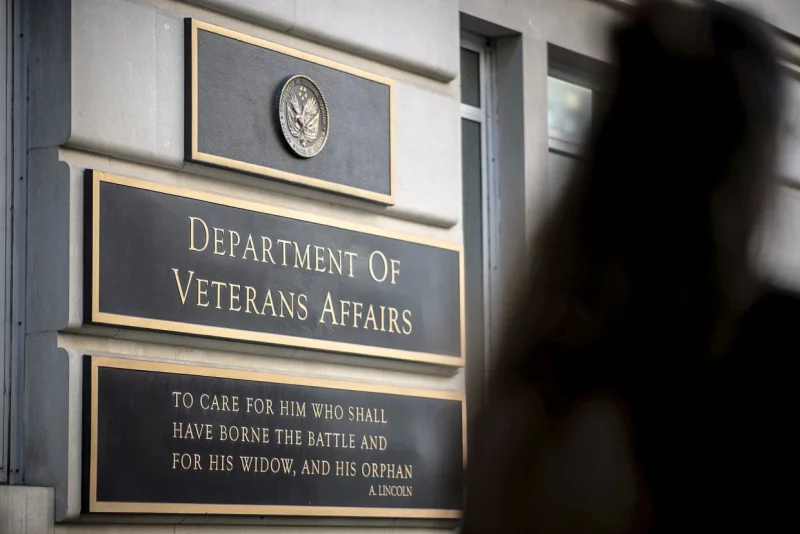
Obtaining benefits through the Department of Veterans Affairs has been disproportionately more difficult for Black Americans for decades, a federal lawsuit filed Monday alleges.
“The results of VA’s racial discrimination has been to deny countless meritorious applications by Black veterans, depriving them and their families of care and support that their faithful service has earned,” the lawsuit reads.
Filed in federal court by Yale Law School’s Veterans Legal Services Clinic on behalf of Conley Monk Jr., a Vietnam War veteran, the suit claims Monk was repeatedly denied home loan, education and medical benefits because he is Black.
Monk is far from alone, the filing alleges. According to VA records obtained through Freedom of Information Act litigation brought by the National Veterans Council for Legal Redress, of which Monk is the co-founder and director, and the Black Veterans Project, the average denial rate for disability compensation was 5.3% higher for Black veterans than their white counterparts between 2001 and 2020. And the racial disparity for average acceptance rates was even higher — 6.8%.
“They failed to redress longstanding, pervasive race discrimination and disparate impacts of which they knew or should have known,” the suit reads.
Discover the lawsuit’s details.
These inequalities are why some called for Biden to install more Black veterans in the VA.
Comments Are Welcome
Note: We moderate submissions in order to create a space for meaningful dialogue, a space where museum visitors – adults and youth –– can exchange informed, thoughtful, and relevant comments that add value to our exhibits.
Racial slurs, personal attacks, obscenity, profanity, and SHOUTING do not meet the above standard. Such comments are posted in the exhibit Hateful Speech. Commercial promotions, impersonations, and incoherent comments likewise fail to meet our goals, so will not be posted. Submissions longer than 120 words will be shortened.
See our full Comments Policy here.