Bill to provide descendants of slavery preference in college admissions moves forward
Share
Explore Our Galleries









Breaking News!
Today's news and culture by Black and other reporters in the Black and mainstream media.
Ways to Support ABHM?
By MALLIKA SESHADRI, Ed Source
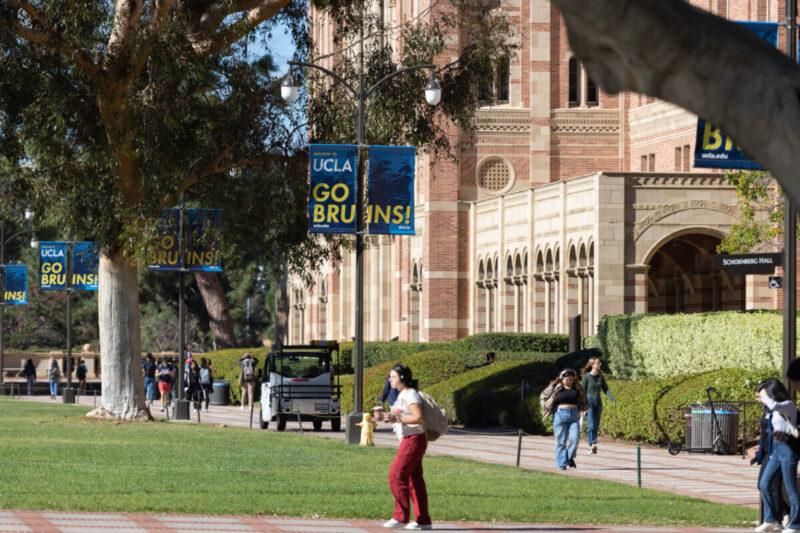
A bill that would give California colleges and universities an option to provide preference in admissions to descendants of slavery has cleared the state’s Senate Education Committee with a 5-2 vote after being passed in the Assembly with overwhelming support. But as the bill moves to the Judiciary Committee, even its proponents say they are pessimistic that it will become law at a time of increasing scrutiny over measures suggesting racial preferences.
Assembly Bill 7, authored by Assemblymember Isaac Bryan, is the first statewide measure of its kind to address the harms of slavery, said UCLA education professor Tyrone Howard, and it has been backed by nearly two dozen organizations, including the California Federation of Teachers and the University of California Student Association.
“Disparities in admissions persist and reflect deeply rooted structural inequalities, including the afterlives of slavery. In addition, California had a long history of legacy admissions, up until last year, that favored students who came from wealthy and well-connected family situations,” Bryan said at Wednesday’s hearing. “[AB 7] empowers universities with the option, not a mandate, to acknowledge and respond to this historical context when evaluating applicants.”
The original article describes opposition to the bill.
Discover the inhumane reality of slavery.
Follow recent news about reparations as it happens.
Comments Are Welcome
Note: We moderate submissions in order to create a space for meaningful dialogue, a space where museum visitors – adults and youth –– can exchange informed, thoughtful, and relevant comments that add value to our exhibits.
Racial slurs, personal attacks, obscenity, profanity, and SHOUTING do not meet the above standard. Such comments are posted in the exhibit Hateful Speech. Commercial promotions, impersonations, and incoherent comments likewise fail to meet our goals, so will not be posted. Submissions longer than 120 words will be shortened.
See our full Comments Policy here.