Secrets of Harriet Tubman’s life are being revealed 100 years later
Share
Explore Our Galleries









Breaking News!
Today's news and culture by Black and other reporters in the Black and mainstream media.
Ways to Support ABHM?
By Starlight Williams, National Geographic
Courageous work on the Underground Railroad—and activism afterward—made Tubman one of America’s best-known historic figures. Here’s how to mark her 200th birthday.
We all think we know the Harriet Tubman story. The “Moses of her people,” Tubman née Araminta “Minty” Ross was born enslaved on Maryland’s Eastern Shore around 1822. From a young age her enslavers rented her out to neighbors as a domestic servant. She later escaped to Philadelphia and then returned to her birthplace at least 13 times to lead 70 of her family and friends along the Underground Railroad to freedom.
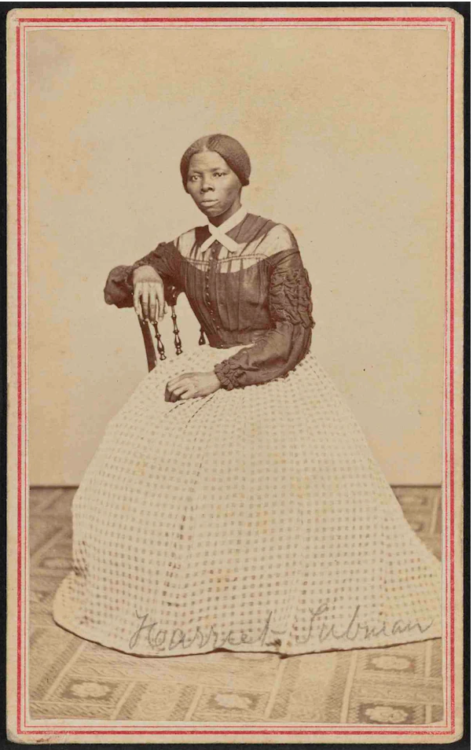
PHOTOGRAPH COURTESY OF THE LIBRARY OF CONGRESS
That’s usually where the story of one of America’s most inspirational heroes ends, and all I knew—until I took a road trip to honor the 200th anniversary of her birth, celebrated this month. But in her nine decades (she died in 1913), Tubman did so much more. …
“She doesn’t get enough credit for being a humanitarian,” says Ellen Mousin, a volunteer at the Harriet Tubman Museum and Educational Center in Cambridge, Maryland. “People, especially in the North, often don’t realize that African Americans were not usually able to go to nursing homes or healthcare facilities. She made it possible.”
More than a century after her death, historians are still unraveling the secrets of her life. This month the nation celebrates Harriet Tubman’s bicentennial and the fifth anniversary of the two national parks named after her: one in Auburn, New York, and another in Dorchester County, Maryland. Tubman is the only African American and woman to have two named national parks. From film screenings and historical lectures to art exhibits and monument installations, here’s how travelers can uncover the mystery that shrouds Tubman’s life and honor the legacy of a woman who inspired generations.
Read the full article here.
More about Harriet Tubman and how she is being recognized here and here.
More Breaking News here.
Comments Are Welcome
Note: We moderate submissions in order to create a space for meaningful dialogue, a space where museum visitors – adults and youth –– can exchange informed, thoughtful, and relevant comments that add value to our exhibits.
Racial slurs, personal attacks, obscenity, profanity, and SHOUTING do not meet the above standard. Such comments are posted in the exhibit Hateful Speech. Commercial promotions, impersonations, and incoherent comments likewise fail to meet our goals, so will not be posted. Submissions longer than 120 words will be shortened.
See our full Comments Policy here.