Remembering When Cotton was King and Blacks Enduring Quest for Economic Justice
Share
Explore Our Galleries









Breaking News!
Today's news and culture by Black and other reporters in the Black and mainstream media.
Ways to Support ABHM?
By S.E. Williams, Black Voice News
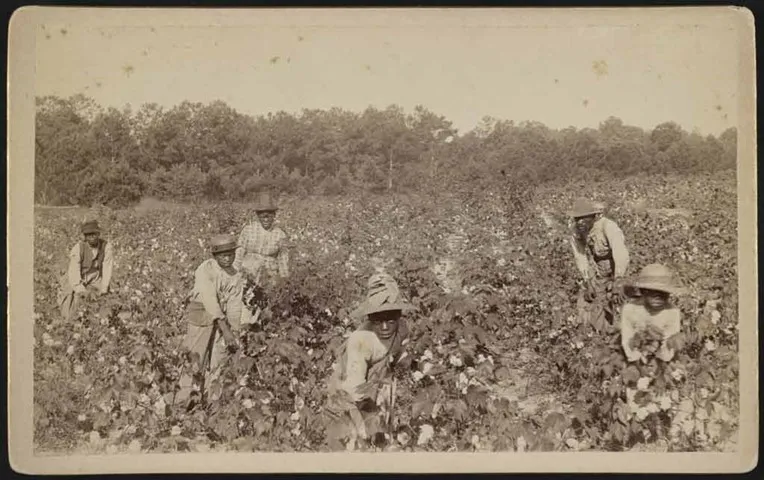
March 19 marked the second anniversary of Governor Gavin Newsom’s shuttering of the state to protect the health of Californians by attempting to control the spread and minimize the unprecedented impact of COVID-19.
It has been a harrowing two years since, as we collectively navigated a once in a century public health crisis.
I find it strangely ironic that second anniversaries are traditionally marked with a gift of cotton, symbolizing the creation of something strong and enduring. I believe this is our collective desire regarding how we move forward in this (hopefully) post pandemic era.
Yet, as I reflected on cotton as symbolic of second anniversaries, I don’t think it is an exaggeration to acknowledge that African-Americans have a complicated history with this textile that began with the theft of Black labor that made cotton “king” and foundational to the growth of America’s cotton industry and its impact on expanding the nation’s economy. Despite the wealth it built for the country, it is well recorded that Blacks were denied the benefits of their labor for generations and continue to suffer the consequences of Black people trapped in poverty with limited exit routes.
This, among other systemic and institutional issues related to racism, left the Black community extremely vulnerable to the ravages of COVID-19. This vulnerability collided with the raw brutality of police use of force (in relation to George Floyd) at a time when the nation was paying attention and reignited a movement for systemic change aimed at righting generations of historical wrongs.
Learn about the symbolism of cotton and the recognition of COVID-19’s unequal economic impact.
Read more about how COVID-19 has affected Black Americans and the relief measures that were blocked.
Find more opinion pieces and news articles in our breaking news section.
Comments Are Welcome
Note: We moderate submissions in order to create a space for meaningful dialogue, a space where museum visitors – adults and youth –– can exchange informed, thoughtful, and relevant comments that add value to our exhibits.
Racial slurs, personal attacks, obscenity, profanity, and SHOUTING do not meet the above standard. Such comments are posted in the exhibit Hateful Speech. Commercial promotions, impersonations, and incoherent comments likewise fail to meet our goals, so will not be posted. Submissions longer than 120 words will be shortened.
See our full Comments Policy here.