On This Day in History: The 1920 Duluth MN Lynchings
Share
Explore Our Galleries









Breaking News!
Today's news and culture by Black and other reporters in the Black and mainstream media.
Ways to Support ABHM?
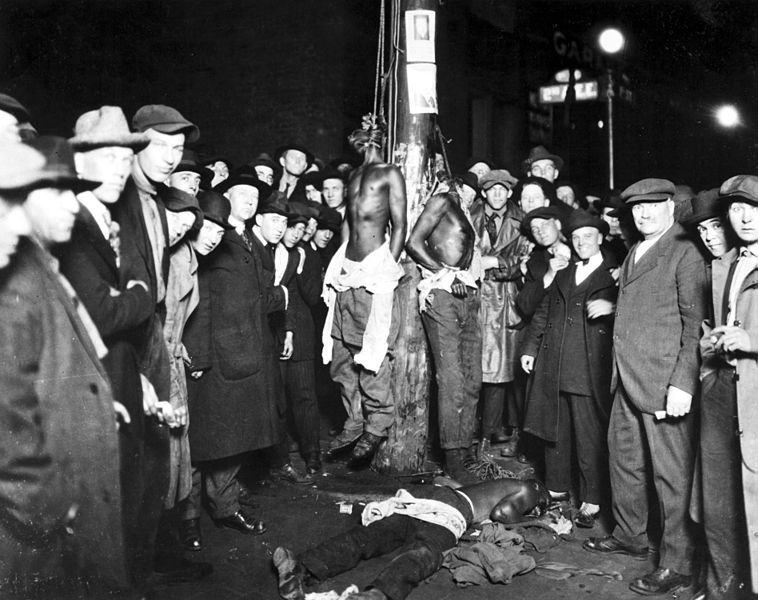
These lynchings occurred on June 15, 1920, when three black circus workers were attacked and lynched by a mob in Duluth, Minnesota. Rumors had circulated among the mob that six African Americans had raped a teenage girl. A physician’s examination subsequently found no evidence of rape or assault. The killings shocked the country, particularly for their having occurred in the northern United States, although four earlier lynchings had occurred in Minnesota. In 2003, the city of Duluth erected a memorial to the murdered workers….No one was ever convicted for the murder of Isaac McGhie, Elmer Jackson and Elias Clayton.
[…]
In 2003 the event was commemorated in Duluth, by dedicating a plaza including three seven-foot-tall bronze statues to the three men who were killed….The Clayton Jackson McGhie Memorial is the largest lynching monument in the United States.
At the memorial’s opening, thousands of citizens of Duluth and surrounding communities gathered for a ceremony. The final speaker at the ceremony was Warren Read, the great-grandson of one of the most prominent leaders of the lynch mob:
“It was a long held family secret, and its deeply buried shame was brought to the surface and unraveled. We will never know the destinies and legacies these men would have chosen for themselves if they had been allowed to make that choice. But I know this: their existence, however brief and cruelly interrupted, is forever woven into the fabric of my own life.”
Warren Read has written a book, The Lyncher in Me: A Search for Redemption in the Face of History, about the lynching and the impact on his life as a descendent of a lyncher.
For more details about the lynching, including the lyrics of Bob Dylan’s song about it, read this.
These victims are included in our memorial to lynching victims.
Comments Are Welcome
Note: We moderate submissions in order to create a space for meaningful dialogue, a space where museum visitors – adults and youth –– can exchange informed, thoughtful, and relevant comments that add value to our exhibits.
Racial slurs, personal attacks, obscenity, profanity, and SHOUTING do not meet the above standard. Such comments are posted in the exhibit Hateful Speech. Commercial promotions, impersonations, and incoherent comments likewise fail to meet our goals, so will not be posted. Submissions longer than 120 words will be shortened.
See our full Comments Policy here.