Juneteenth
Explore Our Online Exhibits









Breaking News


Worldwide Community Events
Week 6
- Sun 26
- Mon 27
- Tue 28
- Wed 29
- Thu 30
- Fri 1
- Sat 2
- Sun 3
- Mon 4
- Tue 5
- Wed 6
- Thu 7
- Fri 8
- Sat 9
- Sun 10
- Mon 11
- Tue 12
- Wed 13
- Thu 14
- Fri 15
- Sat 16
- Sun 17
- Mon 18
- Tue 19
- Wed 20
- Thu 21
- Fri 22
- Sat 23
- Sun 24
- Mon 25
- Tue 26
- Wed 27
- Thu 28
- Fri 29
- Sat 30
- Sun 31
- Mon 1
- Tue 2
- Wed 3
- Thu 4
- Fri 5
- Sat 6
-
29April

ABHM Discounted Tours
ABHM in Milwaukee, WI -
06May
ABHM Discounted Tours
ABHM in Milwaukee, WI -
08May

3rd Anual Black Homesteaders Conference
Villa Rica, Georgia -
09May
3rd Anual Black Homesteaders Conference
Villa Rica, Georgia -
10May
3rd Anual Black Homesteaders Conference
Villa Rica, Georgia -
16May

-
22May

Art & Activism Retreat with Casa Romero – May
Casa Romero Renewal Center -
23May
Art & Activism Retreat with Casa Romero – May
Casa Romero Renewal Center -
24May
Art & Activism Retreat with Casa Romero – May
Casa Romero Renewal Center -
27May

American Black Film Festival 2026
Miami Beach, FL -
28May
American Black Film Festival 2026
Miami Beach, FL -
29May
American Black Film Festival 2026
Miami Beach, FL -
30May
American Black Film Festival 2026
Miami Beach, FL30May
-
31May
American Black Film Festival 2026
Miami Beach, FL
Share
June 19th, also known as Juneteenth, is a day that recognizes the end of slavery in the United States. On June 19th, 1865, two years after President Lincoln issued the Emancipation Proclamation that ended slavery, Union soldiers arrived in Galveston, Texas to inform slaveholders that they must legally those people who remained enslaved. This threat of force against the holdouts successfully ensured that the city’s remaining slaves, many of whom were already aware of slavery’s end but lacked the power to stand up to their slavers, were freed. Juneteenth has become an important day to many Black Americans and allies in the fight against racism.
Below you’ll find articles and exhibits about Juneteenth, which will automatically update as we add new stories about Juneteenth. As you scroll through these pages, you’ll understand the day’s history, efforts to increase awareness, the fight for it to be recognized as a holiday, and current events celebrating the day and its meaning.
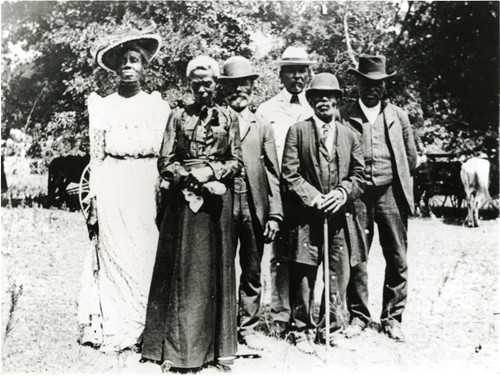
Every year, Black Americans recognize the day when soldiers arrived in Galveston to force slaveholders to follow the president’s orders.
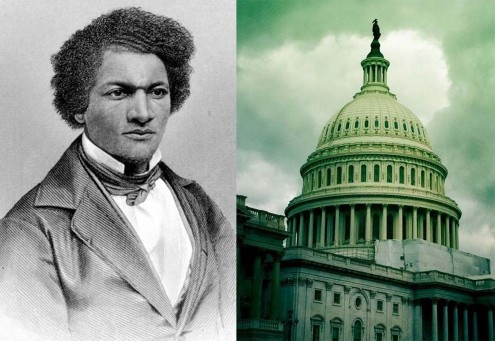
A statue of a notable abolitionist was scheduled for unveiling on a day celebrating the end of slavery in the USA.
June 19th remains an important day of celebration for the Americans who descend from formerly enslaved people.
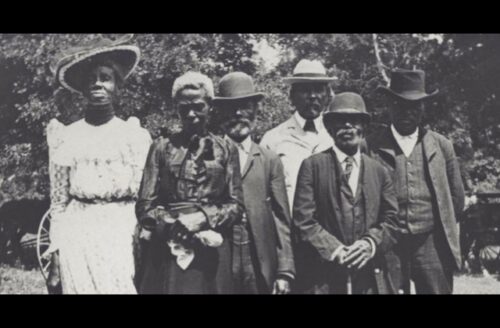
In honor of Juneteenth, the African American holiday celebrating the freeing of slaves within the Confederate states on June 19th, 1865, black groups celebrated in different ways. Find out how some chose to commemorate this day.
This article explores why Independence Day and patriotism in America mean something different to the African/African-American community than to white Americans. It shows how Black Americans have endured vastly differing experiences from white Americans, because unalienable rights supposed afforded in America do not apply, have not applied, to them.

American descendants of slaves have celebrated Juneteenth for 153 years, but freedom remains elusive for many.

With the South rising again on the watch of President Donald Trump, who plans to turn the Fourth of July this year from a celebration of America to a celebration of himself, it’s time for Americans who champion equality to begin celebrating Juneteenth.June 19, 1865 — “Juneteenth” being a combination of June and nineteenth — should remind all Americans of the long and complex fight required to end slavery here.
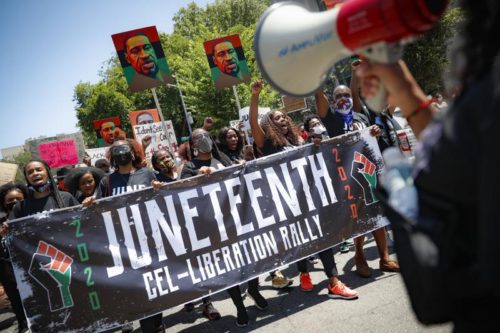
The United States will soon have a new federal holiday commemorating the end of slavery. The House voted 415-14 Wednesday to make Juneteenth, or June 19th, the 12th federal holiday.
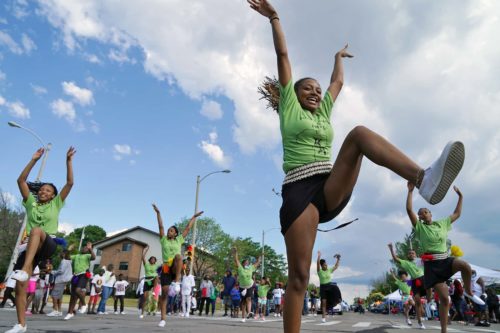
An Op-Ed: We should be happy to popularize and celebrate Juneteenth. But we should celebrate it with the same fervor in which it was celebrated the summer of 2020, with protests, political education, and an understanding that the house of the slavemaster still stands, despite a fresh coat of paint. We must celebrate Juneteenth knowing the kind of force it took for enslaved Black people to attain emancipation – and the equivalent political force it may take to finally and absolutely uproot the American capitalist. Wisconsin celebrated it 50th Juneteenth in 2021 with a long parade up Rev. Dr. Martin Luther King Drive, complete with Civil War re-enactors, beauty queens and kings, and Black public servants, among them County Executive David Crowley and Congresswoman Gwen Moore. This city was one of the first in the nation to celebrate the holiday.
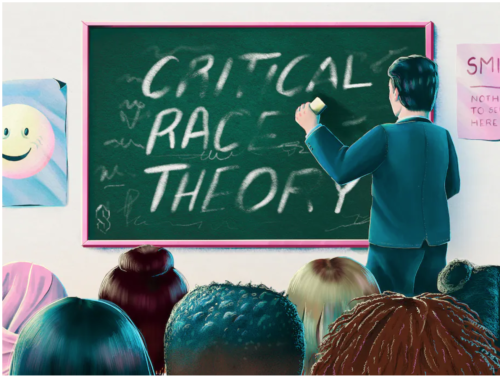
In the same week when Juneteenth became a national holiday, schoolteachers in Texas, where the commemoration originally marked the end of slavery in that state, could teach about these events only at their peril. An author of the original Critical Race Theory explains the consequences of “erasing” the truth about our country’s history.