Judge orders new trial for officers involved in Tyre Nichols’ death
Share
Explore Our Galleries









Breaking News!
Today's news and culture by Black and other reporters in the Black and mainstream media.
Ways to Support ABHM?
by Ezekiel J. Walker, The Black Wall Street Times
Judge cites risk of bias, vacates obstruction convictions for three ex-Memphis officers in Tyre Nichols case.
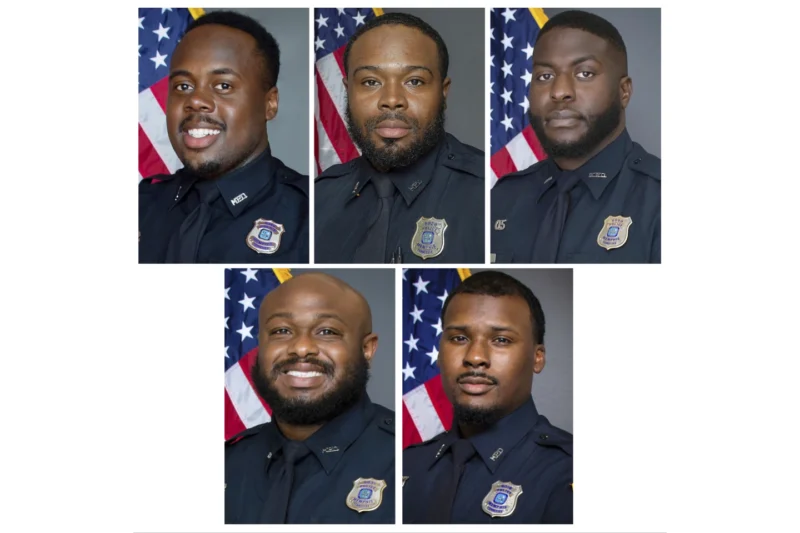
In a stunning turn of events, a federal judge has ordered a new trial for three former Memphis police officers convicted of federal charges in the fatal beating of Tyre Nichols.
The decision by U.S. District Judge Sheryl H. Lipman was announced after defense lawyers argued the judge who presided over the original trial was biased against their clients.
This ruling represents a significant new chapter in a case that has already seen a complex legal path, with both state and federal charges against the officers involved.
Former officers were found guilty of obstruction of justice
The order for a new trial was granted for Tadarrius Bean, Demetrius Haley, and Justin Smith. They were all found guilty in October 2024 of obstruction of justice through witness tampering in connection with Nichols’s death.
The defense’s argument centered on a series of alleged comments made by the original presiding judge, Mark S. Norris, after the federal trial concluded. According to court filings, Judge Norris allegedly suggested in private meetings with prosecutors and the FBI that at least one of the officers was in a gang and might have been involved in the unrelated shooting of his law clerk.
Lipman, who took over the case in June after Norris recused himself, determined that while a review of Norris’s trial rulings showed them to be “sound, fair, and grounded firmly in the law,” the risk of bias was “too high to be constitutionally tolerable.”
Read more about the recent development in the case.
At least one officer involved in Nichols’ death was not charged.
Comments Are Welcome
Note: We moderate submissions in order to create a space for meaningful dialogue, a space where museum visitors – adults and youth –– can exchange informed, thoughtful, and relevant comments that add value to our exhibits.
Racial slurs, personal attacks, obscenity, profanity, and SHOUTING do not meet the above standard. Such comments are posted in the exhibit Hateful Speech. Commercial promotions, impersonations, and incoherent comments likewise fail to meet our goals, so will not be posted. Submissions longer than 120 words will be shortened.
See our full Comments Policy here.