Indigenous Peoples’ Day: Where African American and Native American Histories Meet
Share
Explore Our Galleries









Breaking News!
Today's news and culture by Black and other reporters in the Black and mainstream media.
Ways to Support ABHM?
By Yesha Callahan, BET News
Indigenous Peoples’ Day isn’t just about recognizing Native American history—it’s also a chance to explore the deep intersections between African American and Native American communities
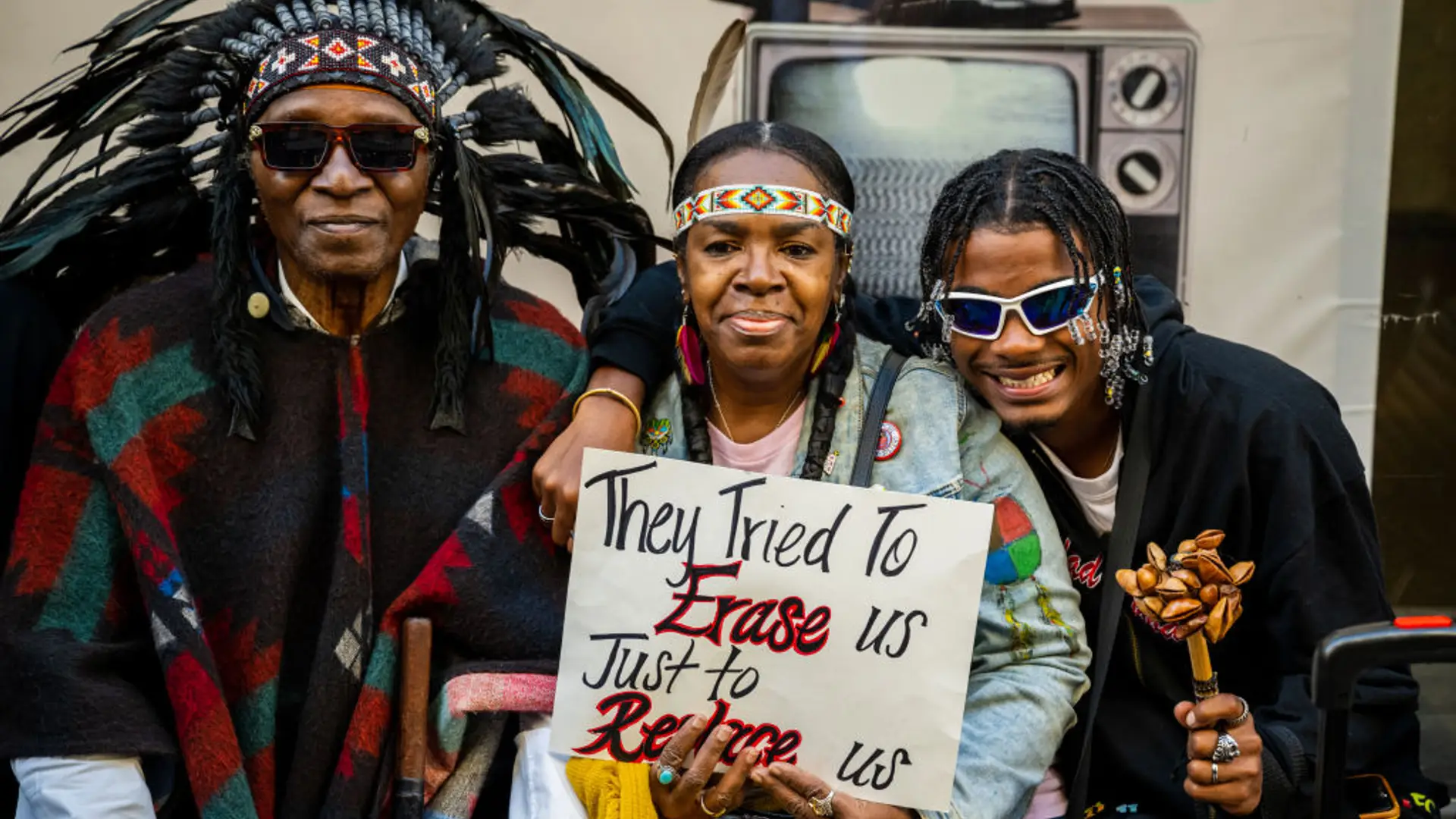
Indigenous Peoples’ Day is more than just a switch from celebrating Columbus—it’s a long-overdue recognition of Native American history, culture, and contributions. This day has an even deeper layer of meaning for African Americans because if you dig into history, you’ll find plenty of moments where Black and Native American stories overlap in surprising and meaningful ways.
The relationship between African Americans and Native Americans is a long, complicated one. Perhaps the most notable example of overlap between the two groups came with the Trail of Tears, when the US government forced various Native American peoples to leave their lands in the 1830s. Many enslaved African Americans went with them. There, too, however, there were moments of solidarity.
Above and beyond the tragedies, there were often vibrant cultural exchanges between African Americans and Native Americans, many of them that helped to define who they were for the better. This is the case with food and music for example, in which Native staples like corn, beans and squash were combined with African cooking traditions, giving us what we now call soul food.
Learn more about the cross-influence of these cultures.
Unfortunately, it can be difficult to be both Black and native but some activists saw parallels.
Comments Are Welcome
Note: We moderate submissions in order to create a space for meaningful dialogue, a space where museum visitors – adults and youth –– can exchange informed, thoughtful, and relevant comments that add value to our exhibits.
Racial slurs, personal attacks, obscenity, profanity, and SHOUTING do not meet the above standard. Such comments are posted in the exhibit Hateful Speech. Commercial promotions, impersonations, and incoherent comments likewise fail to meet our goals, so will not be posted. Submissions longer than 120 words will be shortened.
See our full Comments Policy here.