How Black People Learned Not to Trust
Share
Explore Our Galleries









Breaking News!
Today's news and culture by Black and other reporters in the Black and mainstream media.
Ways to Support ABHM?
By Charles M. Blow, The New York Times
Concerns about vaccination are unfortunate, but they have historical roots.
It would appear that the people in America hit hardest by Covid-19 — Black people — are also the group most leery about the prospects of a vaccine.
As a Pew Research report published last week pointed out: “Black Americans are especially likely to say they know someone who has been hospitalized or died as a result of having the coronavirus: 71 percent say this, compared with smaller shares of Hispanic (61 percent), White (49 percent) and Asian-American (48 percent) adults.”
But that same report contained the following: “Black Americans continue to stand out as less inclined to get vaccinated than other racial and ethnic groups: 42 percent would do so, compared with 63 percent of Hispanic and 61 percent of white adults.”
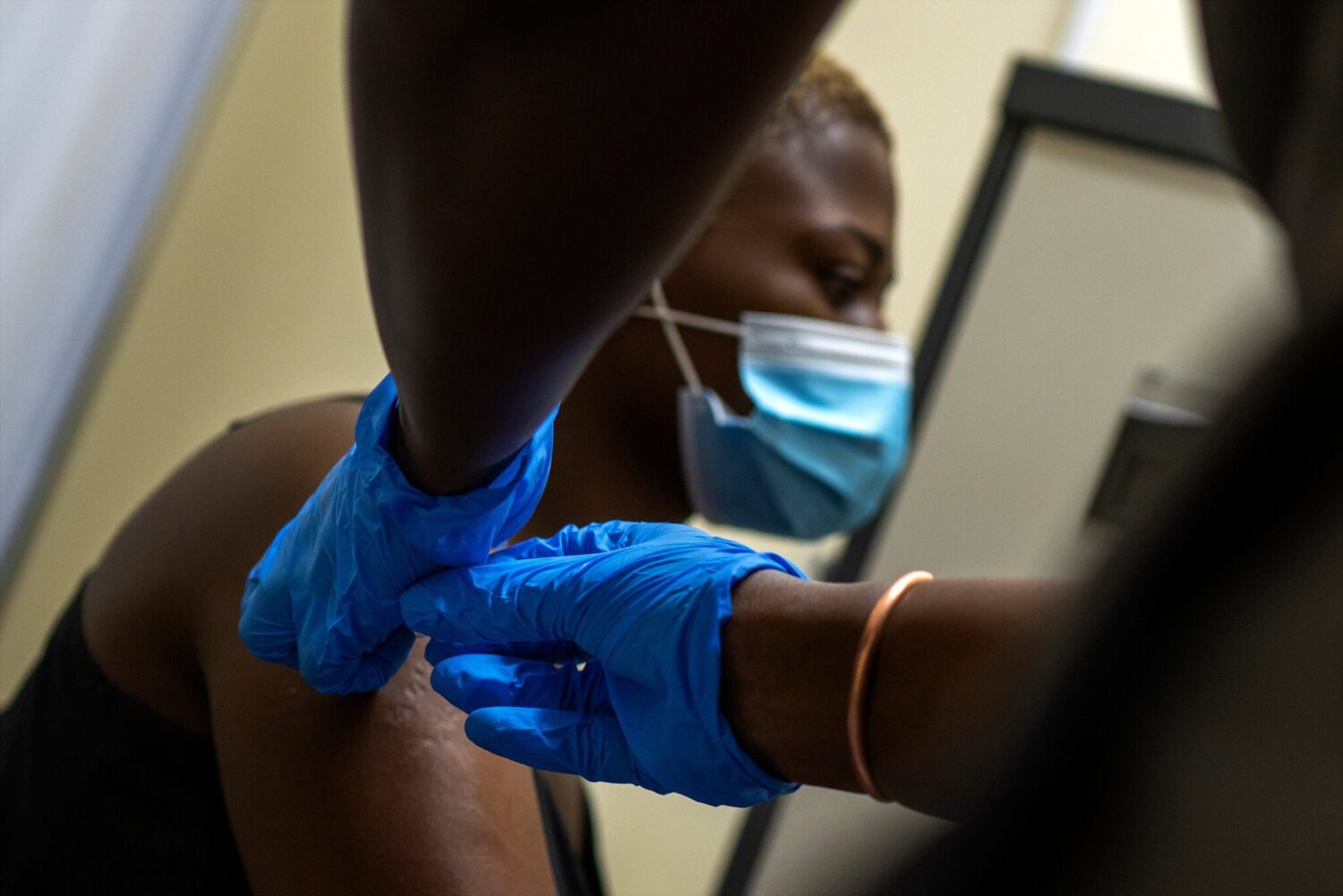
The unfortunate American fact is that Black people in this country have been well-trained, over centuries, to distrust both the government and the medical establishment on the issue of health care.
After the Civil War and the freeing of the enslaved, the limited and fragile infrastructure for Black people in this country collapsed and an epidemic of disease flourished.
White doctors refused to see Black people and white hospitals refused to admit them. Furthermore, federal, state and local governments squabbled over whose responsibility it was to provide health care for the newly freed men and women, with no entity truly wanting to assume that responsibility.
Read the full article here
Learn more about African-Americans and vaccinations click here and here
More Breaking News here
Comments Are Welcome
Note: We moderate submissions in order to create a space for meaningful dialogue, a space where museum visitors – adults and youth –– can exchange informed, thoughtful, and relevant comments that add value to our exhibits.
Racial slurs, personal attacks, obscenity, profanity, and SHOUTING do not meet the above standard. Such comments are posted in the exhibit Hateful Speech. Commercial promotions, impersonations, and incoherent comments likewise fail to meet our goals, so will not be posted. Submissions longer than 120 words will be shortened.
See our full Comments Policy here.