Faith, History, Health: Why a NYC Church Commemorates the Middle Passage
Share
Explore Our Galleries









Breaking News!
Today's news and culture by Black and other reporters in the Black and mainstream media.
Ways to Support ABHM?
By Rev. Dorothy S. Boulware, Word in Black
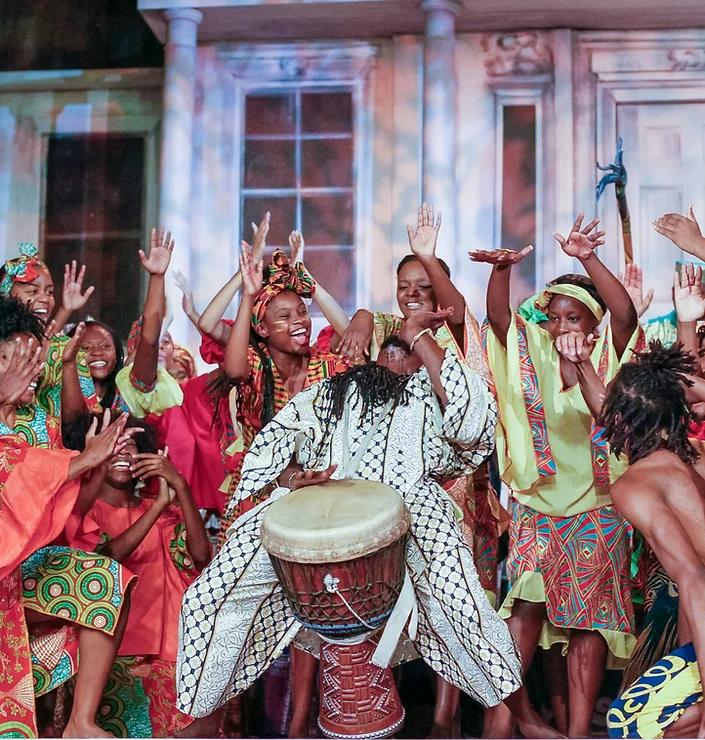
Each year, St. Paul Community Baptist Church in Brooklyn sets aside time to mark history and remember how enslaved Africans brought to America suffered during the Middle Passage. The mid-September observance is called The MAAFA, a Swahili term that denotes disaster, terrible occurrence, or great tragedy.
While other cultures commemorate their history, people of African descent in this country are often encouraged to forget theirs, to the extent that history pages are edited and books are forbidden in public schools in some states. This will never happen as long as St. Paul is insistent on honoring the folks who endured and the people who belong to them.
Over eight days, the church will hold seminars and workshops for teachings and discussion not only about the history, but also about the trauma that has transcended generations — and is the backdrop for current issues of pain and deprivation that pervade the African American community.
Rev. Dr. David Brawley, lead pastor of SPCBC, says this year’s celebration, coming amid what experts say is the most consequential presidential election in our lifetimes, seems particularly relevant.
[…]
“In a year marked by national uncertainty and mounting threats to our democracy, we find ourselves at a critical juncture,” Brawley says. “The dangers posed by certain federal policy proposals remind us of a time when the voices of Black people were silenced, and our human rights were denied.”
Yet the challenges “deepen our resolve to fully embrace our cultural identity and fortify our community,” says Brawley, describing the theme of this year’s celebration. “Our focus on ‘Reclaiming the Village, Restorying Our Past’ is not just a theme but a necessary response to the times—it is a resolute commitment to preserving our heritage and empowering future generations to carry it forward,” he said.
Learn more in our gallery about the Middle Passage.
Comments Are Welcome
Note: We moderate submissions in order to create a space for meaningful dialogue, a space where museum visitors – adults and youth –– can exchange informed, thoughtful, and relevant comments that add value to our exhibits.
Racial slurs, personal attacks, obscenity, profanity, and SHOUTING do not meet the above standard. Such comments are posted in the exhibit Hateful Speech. Commercial promotions, impersonations, and incoherent comments likewise fail to meet our goals, so will not be posted. Submissions longer than 120 words will be shortened.
See our full Comments Policy here.