Black women are underserved when it comes to birth control access. The Roe decision could make that worse.
Share
Explore Our Galleries


Breaking News!
Today's news and culture by Black and other reporters in the Black and mainstream media.
Ways to Support ABHM?
By Claretta Bellamy, NBC News
Discrimination, stigma and systemic barriers in the health care system have already led to a gap in contraceptive access for Black women.
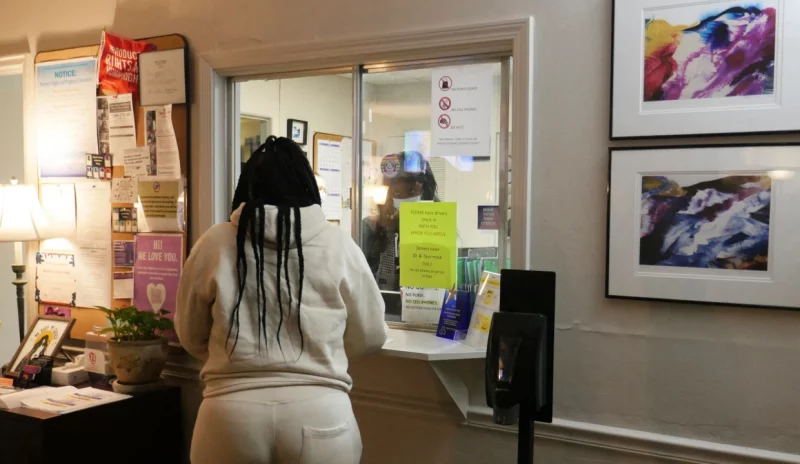
The Supreme Court’s ruling to gut nationwide rights to abortion last week has highlighted the importance of access to birth control, which already proves difficult for many women of color due to discrimination, stigma and systemic barriers in the health care system.
While the decision does not directly impact access to contraception, legal experts say that states and municipalities that are aiming to ban abortion at the point of conception may also challenge contraceptives like Plan B and intrauterine devices. Some state legislators have already taken steps to try to restrict birth control. In Tennessee, U.S. Sen. Marsha Blackburn, a Republican, earlier this year called Griswold v. Connecticut, the 1965 case that ensured birth control access to individuals who were married, “constitutionally unsound.” (A spokesperson for Blackburn told The Washington Post in June that she “does not support banning birth control, nor did she call for a ban.”)
“The hardest burden is going to largely fall on Black women who already have insurmountable challenges just getting health care in this country,” Jennifer Driver, senior director of reproductive rights for the State Innovation Exchange, a national resource and strategy center, said about the impact of the decision. “And now it’s going to be even harder.”
Black women disproportionately deal with a number of reproductive health challenges, like fibroids and polycystic ovary syndrome, where contraception or reproductive surgery is necessary, said Dr. Brandi Shah, a family physician practicing in Birmingham, Alabama.
Discover more about the sexual health battle that many Black women face.
Black women must also face other health disparities, including rising homicide rates.
Comments Are Welcome
Note: We moderate submissions in order to create a space for meaningful dialogue, a space where museum visitors – adults and youth –– can exchange informed, thoughtful, and relevant comments that add value to our exhibits.
Racial slurs, personal attacks, obscenity, profanity, and SHOUTING do not meet the above standard. Such comments are posted in the exhibit Hateful Speech. Commercial promotions, impersonations, and incoherent comments likewise fail to meet our goals, so will not be posted. Submissions longer than 120 words will be shortened.
See our full Comments Policy here.