Where Black and Indigenous Histories Meet
Share
Explore Our Galleries
Breaking News!
Today's news and culture by Black and other reporters in the Black and mainstream media.
Ways to Support ABHM?
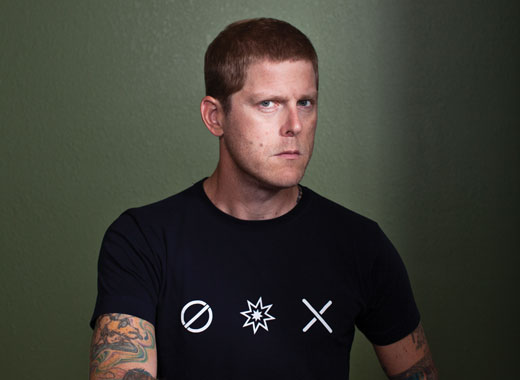
A summary of Nehemiah D. Frank’s article “I Am Black. I Am Indigenous. I Am American.” published by The Black Wall Street Times on Indigenous Peoples’ Day, October 12, 2026.

On Indigenous Peoples’ Day, Nehemiah D. Frank, founder and editor-in-chief of The Black Wall Street Times, reflects on his Black and Indigenous ancestry and the complicated histories that shape his sense of belonging. Drawing on his family’s Muscogee Creek and Choctaw roots, Frank explores the lasting effects of forced removal, enslavement, and the continuing struggle of Black Creek Freedmen descendants to secure their citizenship rights within the Muscogee Nation.
Frank considers how communities can acknowledge historical injustices within their own institutions while honoring tribal sovereignty and confronting anti-Blackness. His reflections also examine how Black and Indigenous histories intersect, challenging the expectation that people with multiple ancestral identities must choose one part of themselves to be recognized as belonging.
Read Nehemiah D. Frank’s full essay here.
For more Breaking News click here.
For more ABHM galleries click here.
Comments Are Welcome
Note: We moderate submissions in order to create a space for meaningful dialogue, a space where museum visitors – adults and youth –– can exchange informed, thoughtful, and relevant comments that add value to our exhibits.
Racial slurs, personal attacks, obscenity, profanity, and SHOUTING do not meet the above standard. Such comments are posted in the exhibit Hateful Speech. Commercial promotions, impersonations, and incoherent comments likewise fail to meet our goals, so will not be posted. Submissions longer than 120 words will be shortened.
See our full Comments Policy here.