Remembrance
Explore Our Online Exhibits









Breaking News

Worldwide Community Events
Week 1
- Sun 1
- Mon 2
- Tue 3
- Wed 4
- Thu 5
- Fri 6
- Sat 7
- Sun 8
- Mon 9
- Tue 10
- Wed 11
- Thu 12
- Fri 13
- Sat 14
- Sun 15
- Mon 16
- Tue 17
- Wed 18
- Thu 19
- Fri 20
- Sat 21
- Sun 22
- Mon 23
- Tue 24
- Wed 25
- Thu 26
- Fri 27
- Sat 28
- Sun 29
- Mon 30
- Tue 31
- Wed 1
- Thu 2
- Fri 3
- Sat 4
-
04March
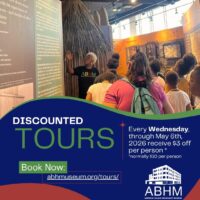
ABHM Discounted Tours
ABHM in Milwaukee, WI04March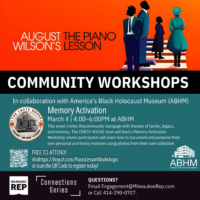 4:00 PM - 6:00 PM
Memory of Activation: Community Workshop with Milwaukee Repertory Theater
ABHM in Milwaukee, WI -
05March

National Association Arts Education Association Convention
Hyatt Regency Chicago -
06March
National Association Arts Education Association Convention
Hyatt Regency Chicago -
07March
National Association Arts Education Association Convention
Hyatt Regency Chicago07March
-
11March
ABHM Discounted Tours
ABHM in Milwaukee, WI11March
Black Enterprise Women of Power Summit 2026
Bellagio Hotel & Casino11March
-
12March
Black Enterprise Women of Power Summit 2026
Bellagio Hotel & Casino -
13March
Black Enterprise Women of Power Summit 2026
Bellagio Hotel & Casino -
14March
Black Enterprise Women of Power Summit 2026
Bellagio Hotel & Casino14March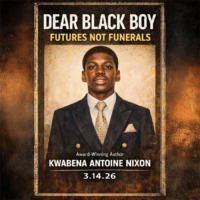
-
15March
Black Enterprise Women of Power Summit 2026
Bellagio Hotel & Casino -
18March
ABHM Discounted Tours
ABHM in Milwaukee, WI -
22March
 5:15 PM
Milwaukee Repertory Theater Dinner Dialogue on The Piano Lesson
Herzfeld Foundation & Engagement Center -
24March

National Association of Black Social Workers Conference
Detroit Marriott at the Renaissance Center -
25March
ABHM Discounted Tours
ABHM in Milwaukee, WI25MarchNational Association of Black Social Workers Conference
Detroit Marriott at the Renaissance Center -
26March
National Association of Black Social Workers Conference
Detroit Marriott at the Renaissance Center -
27March
National Association of Black Social Workers Conference
Detroit Marriott at the Renaissance Center -
28March
National Association of Black Social Workers Conference
Detroit Marriott at the Renaissance Center28March 9:00 AM - 3:00 PM
Justice in Action Conference with Dasha Kelly
Marquette University Alumni Union, Rm 16328March 28March
-
01April
ABHM Discounted Tours
ABHM in Milwaukee, WI
Share
"Remembrance" is one of America's Black Holocaust Museum's four themes, which serve as pillars in our virtual museum.
In every gallery, we remember important historical events and people who have played a role in civil rights or otherwise impacted the lives of Black Americans and others in the African diaspora. Some of these are well-known, but most are not. The stories told in most of ABHvM's exhibits have been left out of our history books or been told incompletely.
You will also notice how this theme appears in some events and breaking news articles, especially as new history comes to light or society finally treats certain subjects with respect.
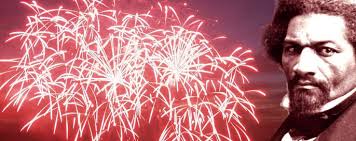
On July 5, 1852, abolitionist and ex-slave Frederick Douglass gave this famously pointed speech at an event commemorating the signing of the Declaration of Independence. He told his white audience, “This Fourth of July is yours, not mine. You may rejoice, I must mourn.”
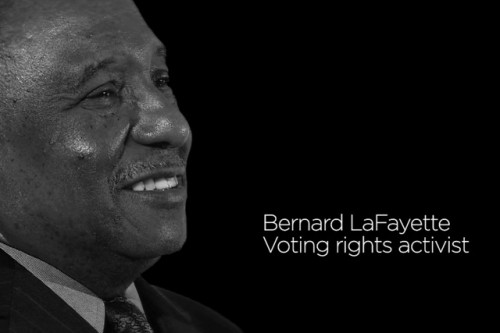
Bernard Lafayette is one of the founding fathers of the Voting Rights Act. He was part of a small interracial army of men and women who presented their bodies as living sacrifices for the Act. Some lost their friends, their families, their minds — even their lives. But 50 years after their greatest triumph, their struggle is in danger of being lost.
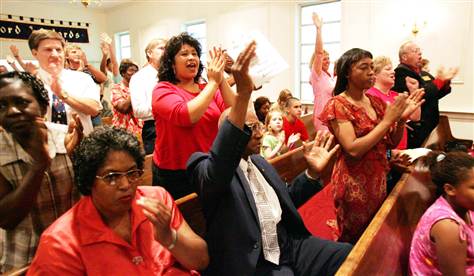
Hundreds gathered in a small town church in Abbeville, South Carolina, known as the the birthplace of the Confederacy. Descendants of Anthony Crawford and descendants of his lynchers joined in a service of apology, forgiveness and reconciliation for that lynching and other racial injustices that took place there nearly a century ago.

The day after four little girls were murdered in church, a young white family man gave a speech about racism at a meeting of his Birmingham men’s club. He was to be forever shunned. This is what he said.
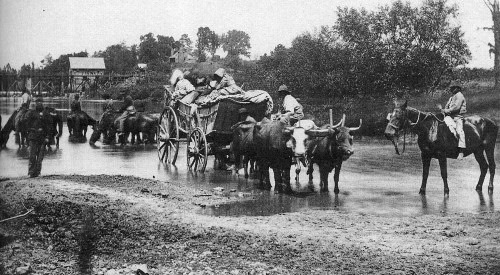
Some stories of the thousands of slaves who freed their families by escaping to Union lines. Why and how they came to settle and thrive in rural Wisconsin.
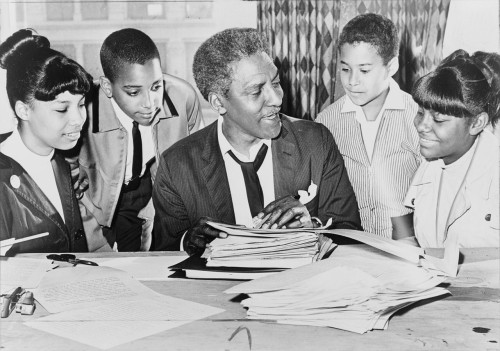
Why haven’t more people heard about Bayard Rustin? Rustin organized sit-ins and freedom rides some twenty years before the 1960s Civil Rights Movement. He was the person who convinced Dr. King to use nonviolence in the Montgomery bus boycott, and he organized King’s 1963 March on Washington. Learn why Bayard Rustin remains an unsung hero despite his groundbreaking work over a long lifetime.
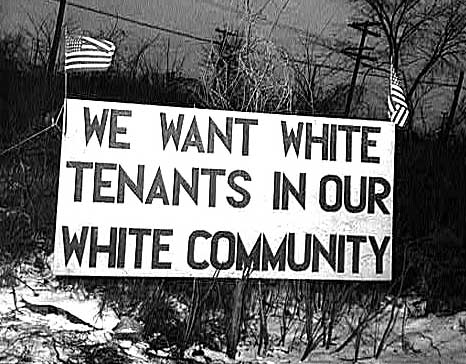
A sundown town is a community that for decades kept non-whites from living in it and was thus “all-white” on purpose. Sundown towns are rare in the South but common in the rest of the country. Learn why sundown cities, towns, suburbs, and neighborhoods developed–and how they continue to shape the lives and relationships of black and white Americans today.
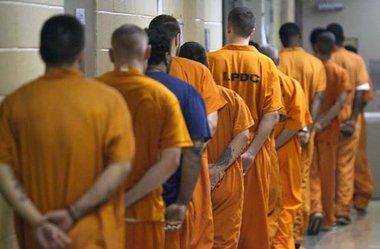
The War on Drugs that began in the 1980s has led to an explosive mass incarceration of African Americans. This exhibit examines how and why.
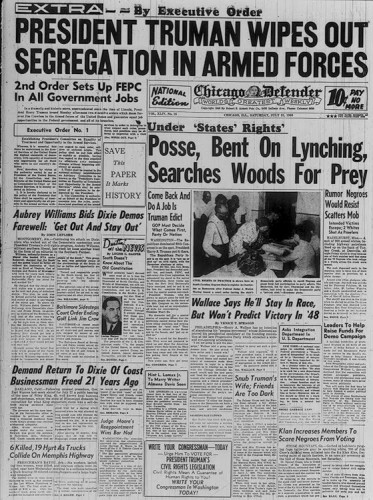
This exhibit gives a short history of the black press, some of the important journalist involved, and the vital role it has played in advancing the ideals of American democracy and supporting African American identity and culture.
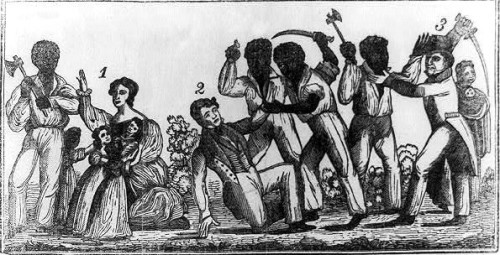
This is the story of one of the largest rebellions by enslaved Africans in American history. It is also the story of historiography–how the past is researched, viewed, and written about.
- « Previous
- 1
- 2
- 3
- 4
- Next »