6,000 digitized portraits of Black history now available and free to the public for the first time
Share
Explore Our Galleries









Breaking News!
Today's news and culture by Black and other reporters in the Black and mainstream media.
Ways to Support ABHM?
Jessica Holdman, South Carolina Daily Gazette
COLUMBIA — A young boy looks directly into the camera with his arms wrapped around his pet rooster.
A boxer crouches in a fighting stance, gloves up in front of his face.
Nurses dressed head to toe in white in front of the home of Dr. Matilda Evans, the first Black woman licensed to practice medicine in South Carolina.
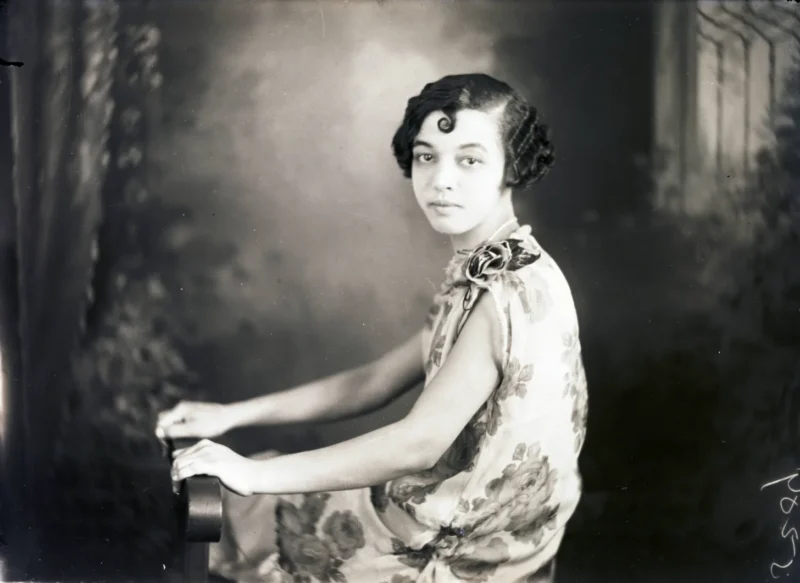
These images, featured in a collection of nearly 6,000 historic pictures by photographer Richard Samuel Roberts of Columbia’s Black families and community, are all available free to the public online for the first time.
“What we are seeing when we look at these pictures is African Americans the way they wanted to be seen and remembered,” said Rachel Young, a historian at the Center for Civil Rights History and Research at the University of South Carolina.
“We are also seeing people and places that have been erased, forgotten, or ignored by a broader historical record.”
Read about the decades-long effort to digitize the images.
Discover Black history in our online galleries.
Comments Are Welcome
Note: We moderate submissions in order to create a space for meaningful dialogue, a space where museum visitors – adults and youth –– can exchange informed, thoughtful, and relevant comments that add value to our exhibits.
Racial slurs, personal attacks, obscenity, profanity, and SHOUTING do not meet the above standard. Such comments are posted in the exhibit Hateful Speech. Commercial promotions, impersonations, and incoherent comments likewise fail to meet our goals, so will not be posted. Submissions longer than 120 words will be shortened.
See our full Comments Policy here.