Victims of the Flint Water Crisis Are Still Waiting to Get Paid
Share
Explore Our Galleries









Breaking News!
Today's news and culture by Black and other reporters in the Black and mainstream media.
Ways to Support ABHM?
By Willy Blackmore, Word in Black
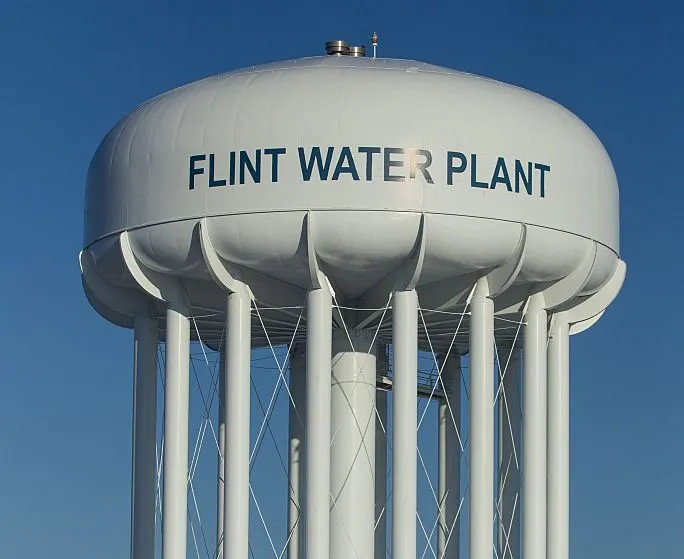
In 2021, when a settlement between the state of Michigan and residents of Flint was approved, there was a sense that those who were affected by the water crisis were close to reaching some kind of closure.
“Flint families are finally going to get some justice,” lawyer Corey Stern, who represented 4,000 children from the majority Black city, said at the time. But today, as we approach the 10-year anniversary of the April day when the administration of then-Governor Rick Snyder switched the city’s water source from the City of Detroit to the corrosive Flint River, residents still haven’t seen a dime.
The only people who have been paid out of the $626 million fund that the settlement established have been lawyers who worked on the many, many cases that were rolled up into one mega lawsuit.
“No single person who has actually been affected by the water crisis here will see a million dollars, 16-year-old environmental activist Mari Copeney, known as Little Miss Flint, wrote on X, formerly known as Twitter. “And y’all wonder why I continue to say Flint is still in crisis.”
This is partly by design: the settlement stipulated that no one would get paid until every single claim had been resolved. And with around 90,000 claims in total included in the so-called mass tort lawsuit against the state, the process was always going to take time. That’s part of the reason why similar cases often start out with a low payment made to most (if not all) claimants, with additional money distributed if warranted as the individual claims are combed over.
The Flint approach may help lawyers land on more accurate payments, but the slow pace has its downsides, too. As the Detroit Free Press reports, there are claimants who died waiting for compensation from the victims fund.
Air and water pollution are killing Black Americans.
Comments Are Welcome
Note: We moderate submissions in order to create a space for meaningful dialogue, a space where museum visitors – adults and youth –– can exchange informed, thoughtful, and relevant comments that add value to our exhibits.
Racial slurs, personal attacks, obscenity, profanity, and SHOUTING do not meet the above standard. Such comments are posted in the exhibit Hateful Speech. Commercial promotions, impersonations, and incoherent comments likewise fail to meet our goals, so will not be posted. Submissions longer than 120 words will be shortened.
See our full Comments Policy here.