Is calling a woman ‘auntie’ ageist harassment – or a mark of respect? It’s a trickier question than you think
Share
Explore Our Galleries









Breaking News!
Today's news and culture by Black and other reporters in the Black and mainstream media.
Ways to Support ABHM?
Lola Okolosie, The Guardian
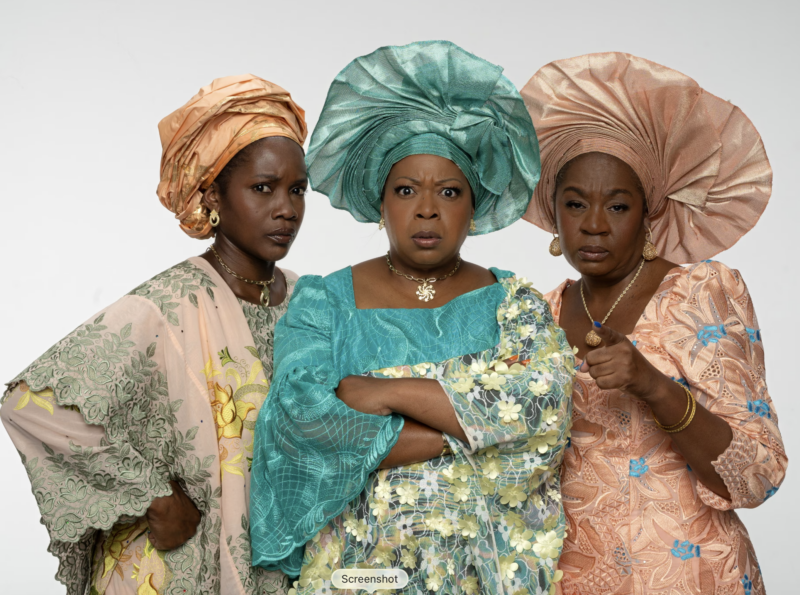
It should be uncontroversial to state that what we want to be called – or do not want to be called – should be respected. This simple enough principle is what defined the grievance between NHS co-workers Ilda Esteves and her colleague Charles Oppong.
Last week, an employment tribunal ruled in Esteves’ favour, agreeing she was subjected to harassment from Oppong for his repeated references to her as “auntie”. The healthcare assistant was awarded £1,425 in compensation.
The tribunal heard that Oppong defended his actions by claiming “auntie” was, in his Ghanaian culture, a term of respect for older women. But Esteves, 61, had asked him to stop. He did not.
Read the original article.
Check out ABHM galleries, exhibits, or BN posts.
Comments Are Welcome
Note: We moderate submissions in order to create a space for meaningful dialogue, a space where museum visitors – adults and youth –– can exchange informed, thoughtful, and relevant comments that add value to our exhibits.
Racial slurs, personal attacks, obscenity, profanity, and SHOUTING do not meet the above standard. Such comments are posted in the exhibit Hateful Speech. Commercial promotions, impersonations, and incoherent comments likewise fail to meet our goals, so will not be posted. Submissions longer than 120 words will be shortened.
See our full Comments Policy here.