US supreme court sharply divided on Louisiana race-based redistricting case
Share
Explore Our Galleries









Breaking News!
Today's news and culture by Black and other reporters in the Black and mainstream media.
Ways to Support ABHM?
By Sam Levine, The Guardian
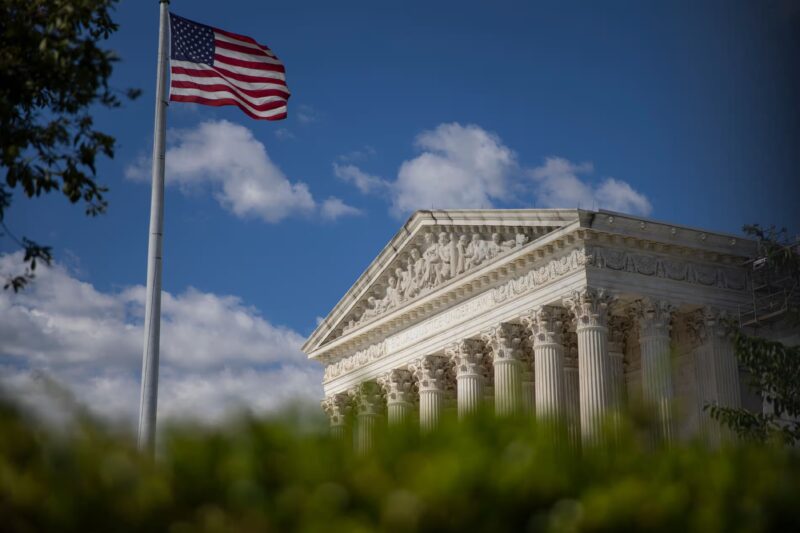
The US supreme court appeared sharply divided on Monday on whether it should strike down Louisiana’s congressional map because the state added a second majority-Black district.
The case, Louisiana v Callais, arrived at the supreme court after years of legal wrangling over Louisiana’s congressional map. It centers on the drawing of the state’s sixth congressional district, a majority-Black district that stretches in a diagonal slash across the state and is currently being represented by a Democrat.
The case is being closely watched because Republicans hold a narrow majority in the US House, so a ruling upending the map could have significant partisan consequences.
It also comes as the court has worked through a series of cases in recent years regarding protections for minority voters in redistricting cases. The justices could use the case as a vehicle to weaken the Voting Rights Act or give more leeway to lawmakers to draw districts that sort voters based on race.sorted based on their race and said South Carolina lawmakers had acted lawfully when they moved 30,000 Black voters from one congressional district to another to make a district more Republican.
Get more background on the case.
Black voters may have more rights than during the Jim Crow Era, but redrawing maps dilutes their voting power.
Comments Are Welcome
Note: We moderate submissions in order to create a space for meaningful dialogue, a space where museum visitors – adults and youth –– can exchange informed, thoughtful, and relevant comments that add value to our exhibits.
Racial slurs, personal attacks, obscenity, profanity, and SHOUTING do not meet the above standard. Such comments are posted in the exhibit Hateful Speech. Commercial promotions, impersonations, and incoherent comments likewise fail to meet our goals, so will not be posted. Submissions longer than 120 words will be shortened.
See our full Comments Policy here.