University of Cambridge says it gained from slave trade
Share
Explore Our Galleries









Breaking News!
Today's news and culture by Black and other reporters in the Black and mainstream media.
Ways to Support ABHM?
By Alistair Smout, Reuters
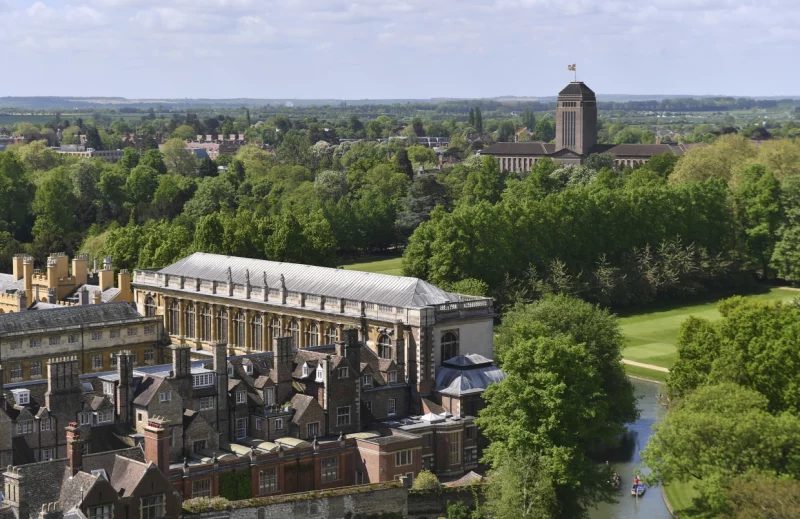
Britain’s University of Cambridge said on Thursday it had benefited from the proceeds of slavery over its history, and promised to expand scholarships for Black students and fund more research into the murderous trade.
The acknowledgement comes as a string of leading institutions – from the Bank of England to the Church of England – have been re-evaluating the central role that slavery had in enriching Britain and how they benefited from its injustices.
Cambridge said an investigation it commissioned had found no evidence that the university itself ever owned slaves or plantations directly. But the findings showed it had received “significant benefits” from slavery.
Those came from university benefactors who had made their money from the slave trade, the university’s investments in companies that participated in it, and fees from plantation-owning families, according to the investigation’s report.
Keep reading the details of this acknowledgment.
Cambridge joins Harvard, the subject of a recent report about its ties to slavery and a lawsuit by the descendant of an enslaved person.
Find more articles like this in our breaking news section.
Comments Are Welcome
Note: We moderate submissions in order to create a space for meaningful dialogue, a space where museum visitors – adults and youth –– can exchange informed, thoughtful, and relevant comments that add value to our exhibits.
Racial slurs, personal attacks, obscenity, profanity, and SHOUTING do not meet the above standard. Such comments are posted in the exhibit Hateful Speech. Commercial promotions, impersonations, and incoherent comments likewise fail to meet our goals, so will not be posted. Submissions longer than 120 words will be shortened.
See our full Comments Policy here.