Trump Executive Order Could Make HBCUs Ineligible for Nearly All Federal Funding
Share
Explore Our Galleries









Breaking News!
Today's news and culture by Black and other reporters in the Black and mainstream media.
Ways to Support ABHM?
By Jarrett Carter Sr., hbcudigest.com
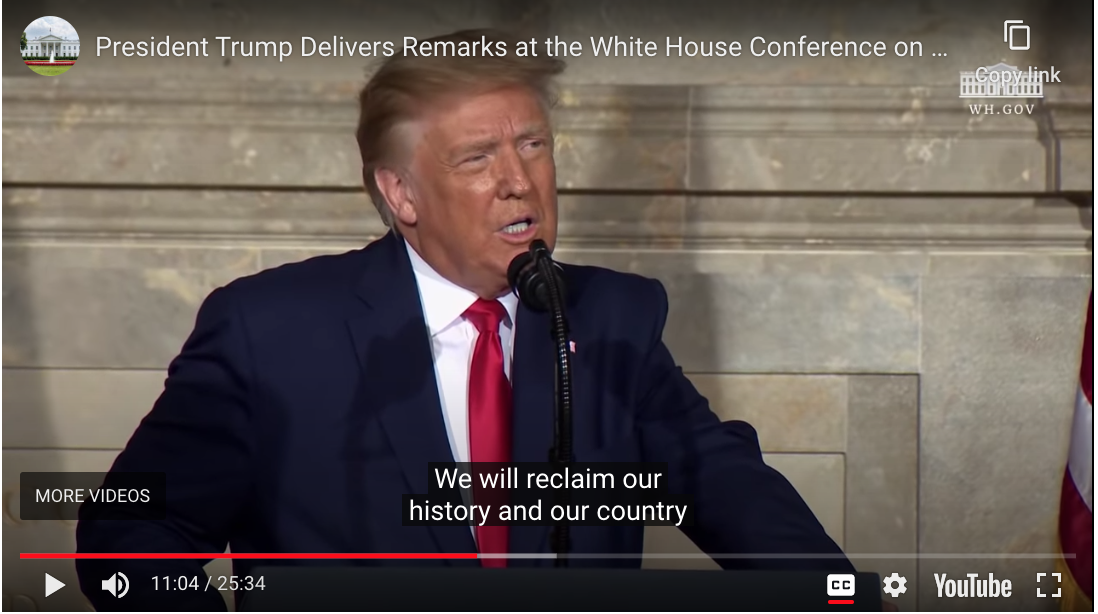
Last month, President Donald Trump issued an executive order prohibiting federal funds from being awarded to agencies or contractors promoting racial or sexual stereotyping. The objective is to reverse what the White House calls a growing culture of blaming white people for much of America’s social tension and systemic racism in industry and governance[.]
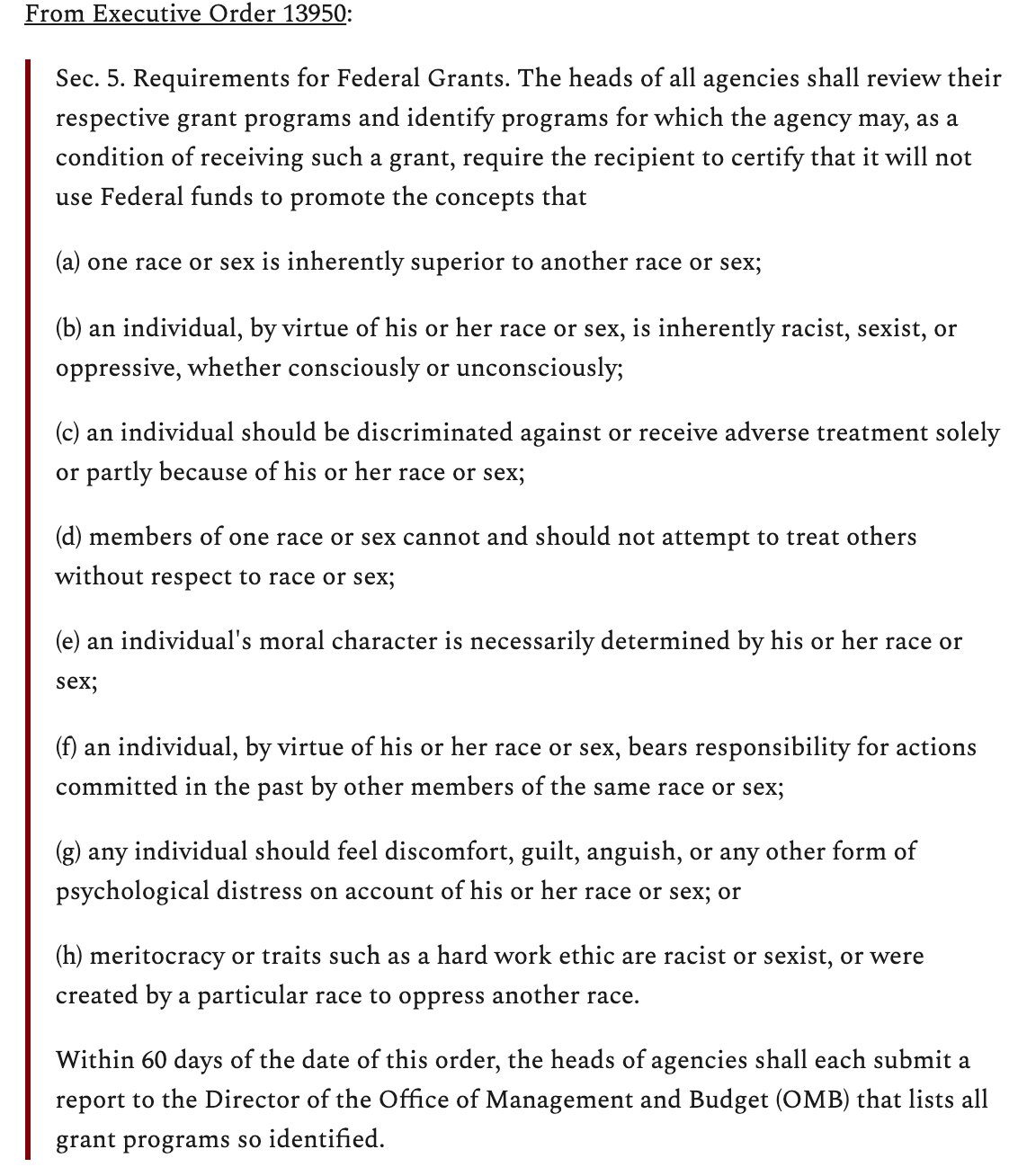
Suppose Education Secretary Betsy DeVos decides or is forced to overhaul […] programs based on the executive order’s guidance. In that case, dozens of funding programs supporting education and workforce development programs targeting African Americans, Hispanics, Pacific Islanders, and other underrepresented racial groups are at risk.
Student federal aid for HBCU students, funding for Howard University, HBCU graduate program development, construction projects, high school-to-college bridge programming, science, technology, engineering, and mathematics (STEM) professional development, and agricultural extension would be in jeopardy; simply because HBCU faculty and students teach and learn curriculum on the ties between racism, capitalism, and governance.
If we think the threat isn’t legitimate, consider that three predominantly white institutions have paused diversity programs on their campuses. If they are concerned that diversity programming could jeopardize their funding, what should historically Black and diverse institutions with matching culture and curricula have to fear?
Read the full article here.
Learn more about Historical Black Colleges and Universities (HBCUs) here and here.
More Breaking News here
Comments Are Welcome
Note: We moderate submissions in order to create a space for meaningful dialogue, a space where museum visitors – adults and youth –– can exchange informed, thoughtful, and relevant comments that add value to our exhibits.
Racial slurs, personal attacks, obscenity, profanity, and SHOUTING do not meet the above standard. Such comments are posted in the exhibit Hateful Speech. Commercial promotions, impersonations, and incoherent comments likewise fail to meet our goals, so will not be posted. Submissions longer than 120 words will be shortened.
See our full Comments Policy here.