This Black August, Americans will study, meditate, fast, exercise – and read – for Black liberation
Share
Explore Our Galleries









Breaking News!
Today's news and culture by Black and other reporters in the Black and mainstream media.
Ways to Support ABHM?
Adria R Walker, The Guardian
Organizations across the country traditionally use the month as a means of activation for local communities
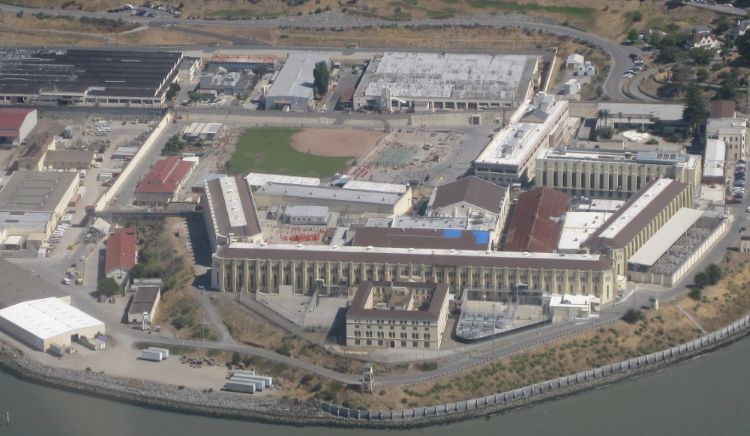
In the 1960s and 1970s, California was brimming with radical energy and potential, which also meant it was brimming with extreme backlash. The Black Panthers, a revolutionary Black political activist organization founded in response to police brutality, were organizing members at the same time Ronald Reagan, then the California governor and the future US president, and others were working to repress the group and its growing political influence.
At the same time, several young men, some incarcerated at San Quentin prison, and some elsewhere in the California prison system, were under attack, being assaulted and murdered by the Aryan Brotherhood, a white supremacist group, and sympathetic guards. Some of the men – WL Nolen; George Jackson, a field marshal of the Black Panther party who also founded a prison chapter of the organization; and others – decided they needed to band together to defend themselves and formed the Black Guerrilla Family (BGF), a Marxist-Leninist prison gang.
Many of the early members of the BGF, most barely in their 20s, would not live to see the 1980s: Nolen was killed, along with two others, by San Quentin prison guards on 13 January 1970, George Jackson was killed in San Quentin prison on 21 August 1971; George’s brother, Jonathan Jackson, was killed on 7 August 1970; and Khatari Gaulden was killed in San Quentin prison on 1 August 1978.
“As a result of these deaths, the group known as Black Guerrilla Family decided they needed to commemorate the deaths of their comrades Jonathan, George and Khatari, and they began the process of deciding how they were going to do so,” said Jalil Muntaqim, a community organizer and former Black Liberation Army (BLA) member. He was convicted and imprisoned for several decades for the murder of two New York police department officers. “They began organizing what was called Black August,” Muntaqim said.
Since its creation, Black August has spread beyond prison walls and is commemorated both by people who are and are not incarcerated today. True to its roots, people study, meditate and hone their activism during the month. It is a time when people push for the release of Black political and revolutionary leaders, many of whom are now in their 70s and 80s, from prison.
Learn how organizations recognize the month.
Get more information on the history of Black August. Discover how ABHM and others are recognizing Black August in our events calendar.
Comments Are Welcome
Note: We moderate submissions in order to create a space for meaningful dialogue, a space where museum visitors – adults and youth –– can exchange informed, thoughtful, and relevant comments that add value to our exhibits.
Racial slurs, personal attacks, obscenity, profanity, and SHOUTING do not meet the above standard. Such comments are posted in the exhibit Hateful Speech. Commercial promotions, impersonations, and incoherent comments likewise fail to meet our goals, so will not be posted. Submissions longer than 120 words will be shortened.
See our full Comments Policy here.