The Pioneering Black Sci-Fi Writer Behind the Original Wakanda
Share
Explore Our Galleries









Breaking News!
Today's news and culture by Black and other reporters in the Black and mainstream media.
Ways to Support ABHM?
By Alison Lanier, Ms. Magazine
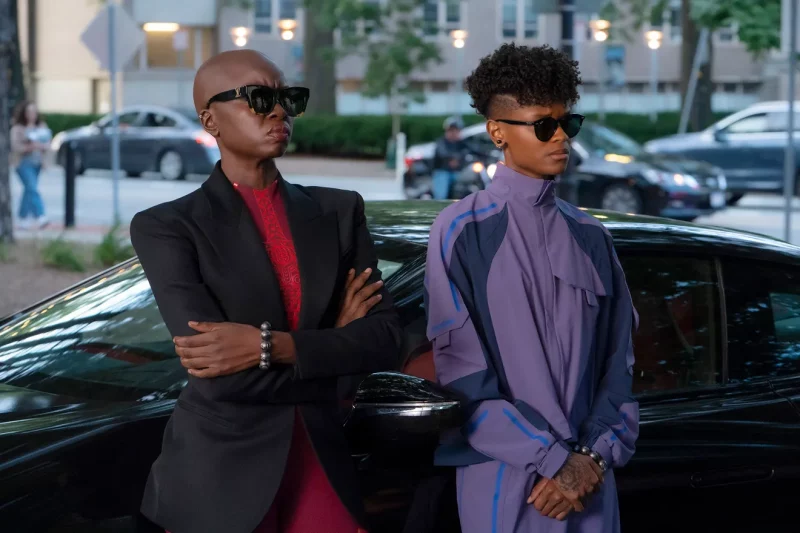
MIT rarely allows Hollywood films to be shot on their campus. So it was a surprise when an email went out in 2021, alerting students that a film titled Summer Break would be filming at the school. Turns out, this was the working title of Black Panther: Wakanda Forever. It’s now burst into theaters, with its rare commodity of MIT as a backdrop.
But something else was special about Wakanda Forever’s filming location. The MIT scenes were shot a stone’s throw from where, a century before, Pauline Elizabeth Hopkins worked at the Institute.
Pauline Elizabeth Hopkins was a groundbreaking novelist, playwright, performer, orator, thinker and activist—and she’s credited with inventing the setting that eventually became Wakanda in her science fiction. But while her imaginative creations live on in massive-franchise form, her name isn’t widely known.
This tremendous literary and political figure is memorialized sparsely: a small placard stands outside her former North Cambridge home, where she lived until her death in 1930. The Pauline Elizabeth Hopkins Society—founded in 2009—continues to uphold her legacy through scholarship, publications and conference events. But there are no records of her in MIT’s archives—though there are numerous contemporary accounts of her working at the school, she seems to have vanished quietly and undeservedly from Institute memory as much as from public acclaim.
Wakanda Forever has generated a lot of buzz for star Michaela Coel.
Check out our breaking news page.
Comments Are Welcome
Note: We moderate submissions in order to create a space for meaningful dialogue, a space where museum visitors – adults and youth –– can exchange informed, thoughtful, and relevant comments that add value to our exhibits.
Racial slurs, personal attacks, obscenity, profanity, and SHOUTING do not meet the above standard. Such comments are posted in the exhibit Hateful Speech. Commercial promotions, impersonations, and incoherent comments likewise fail to meet our goals, so will not be posted. Submissions longer than 120 words will be shortened.
See our full Comments Policy here.