Children’s books with Black main characters down 8% in a year, study shows
Share
Explore Our Galleries









Breaking News!
Today's news and culture by Black and other reporters in the Black and mainstream media.
Ways to Support ABHM?
Emma Loffhagen, The Guardian
Only 150 of 2,189 titles published in UK for young children last year focused on minority ethnic, disabled or neurodivergent characters
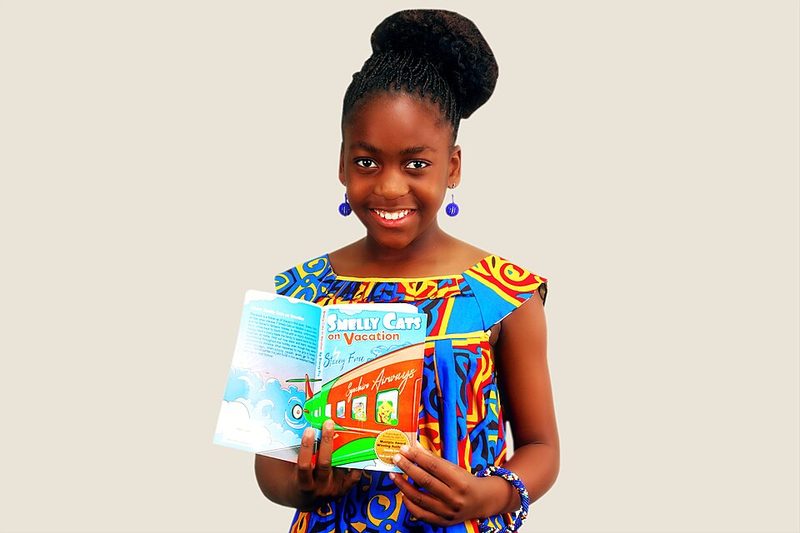
The number of children’s books featuring Black main characters fell by almost 8% last year, according to research into diversity in UK publishing.
Just 47 – or 2.1% – of the 2,189 books published for under-10s in 2025 featured a Black main character, a 7.8% fall from the previous year, according to Inclusive Books for Children. Black children make up about 8.5% of that age bracket in England and Wales.
Representation of south Asian main characters fell by 14.3 percentage points to 1.4%, despite children of south Asian heritage making up about 12.4% of the population of under-10s. Just three books featured main characters of Middle Eastern and North African (MENA) heritage, down 50% from the previous year. This represented 0.1% of surveyed books, compared with the group’s 2.2% share of the population.
The research by the literacy charity found that only 150 books – 6.9% of those surveyed – featured main characters from minority ethnic, disabled or neurodivergent backgrounds. Of these, 37.3% were written or illustrated by creators who did not share the background of their characters.
The author Sheena Patel said: “At an age when children are figuring out the world around them and where they fit in, it’s vital they have access to funny, inspiring, adventurous books that reflect both the lives they live and the ones they don’t. We must do better.”
Read the full article here.
Consider the fight against books about race and blackness in America in our nation’s public libraries. Read more about the representation of Black characters in children’s books.
Comments Are Welcome
Note: We moderate submissions in order to create a space for meaningful dialogue, a space where museum visitors – adults and youth –– can exchange informed, thoughtful, and relevant comments that add value to our exhibits.
Racial slurs, personal attacks, obscenity, profanity, and SHOUTING do not meet the above standard. Such comments are posted in the exhibit Hateful Speech. Commercial promotions, impersonations, and incoherent comments likewise fail to meet our goals, so will not be posted. Submissions longer than 120 words will be shortened.
See our full Comments Policy here.