The Justice Department ended a decades-old school desegregation order. Others are expected to fall
Share
Explore Our Galleries









Breaking News!
Today's news and culture by Black and other reporters in the Black and mainstream media.
Ways to Support ABHM?
By Collin Brinkley, Associated Press
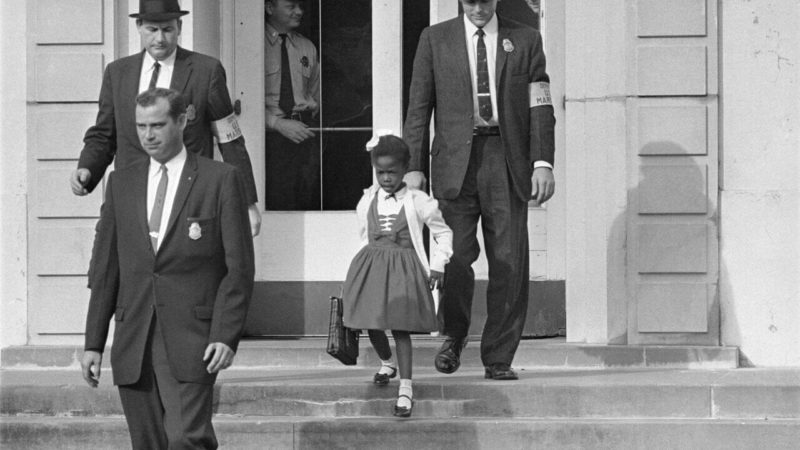
WASHINGTON (AP) — When the Justice Department lifted a school desegregation order in Louisiana this week, officials called its continued existence a “historical wrong” and suggested that others dating to the Civil Rights Movement should be reconsidered.
The end of the 1966 legal agreement with Plaquemines Parish schools announced Tuesday shows the Trump administration is “getting America refocused on our bright future,” Assistant Attorney General Harmeet Dhillon said.
Inside the Justice Department, officials appointed by President Donald Trump have expressed desire to withdraw from other desegregation orders they see as an unnecessary burden on schools, according to a person familiar with the issue who was granted anonymity because they were not authorized to speak publicly.
Dozens of school districts across the South remain under court-enforced agreements dictating steps to work toward integration, decades after the Supreme Court struck down racial segregation in education. Some see the court orders’ endurance as a sign the government never eradicated segregation, while officials in Louisiana and at some schools see the orders as bygone relics that should be wiped away.
Read on to learn the Justice Department’s stance.
Learn about the struggle for justice that led to social change and modern school segregation.
Comments Are Welcome
Note: We moderate submissions in order to create a space for meaningful dialogue, a space where museum visitors – adults and youth –– can exchange informed, thoughtful, and relevant comments that add value to our exhibits.
Racial slurs, personal attacks, obscenity, profanity, and SHOUTING do not meet the above standard. Such comments are posted in the exhibit Hateful Speech. Commercial promotions, impersonations, and incoherent comments likewise fail to meet our goals, so will not be posted. Submissions longer than 120 words will be shortened.
See our full Comments Policy here.