Telling the Stories of Wrongful Convictions, One Painstaking Case at a Time
Share
Explore Our Galleries









Breaking News!
Today's news and culture by Black and other reporters in the Black and mainstream media.
Ways to Support ABHM?
By Maurice Chammah, The Marshall Project
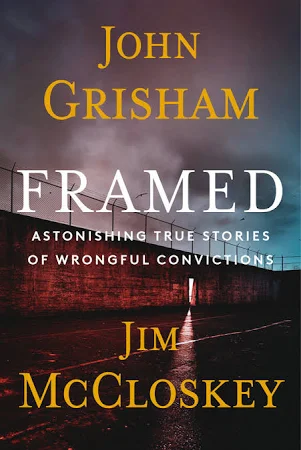
Jim McCloskey should be a household name. Years before the Innocence Project began showing Americans that their prisons hold countless people who have committed no crime, he was quietly gumshoeing his way through hard, obscure cases. Without him, it’s hard to imagine “Serial” or “Making a Murderer” or the rest of our current wave of prosecution-skeptical nonfiction.
McCloskey left a seminary to do this work, a fascinating path he recounted in the 2020 memoir “When Truth Is All You Have.” Now he has teamed up with the legal thriller virtuoso John Grisham to deliver an anthology with a charmingly dime-store title: “Framed: Astonishing True Stories of Wrongful Convictions.” The two each picked five stories of men (regrettably, no women) who found their lives ripped apart by laziness, malice and tunnel vision among the police, prosecutors, jurors and judges.
I hope Grisham’s name helps these stories reach anyone who has not yet reckoned with the “fallibility of our criminal justice system,” as McCloskey diplomatically puts it. And I wish I could say Grisham fully deployed his novelistic gifts. But it’s McCloskey who, having worked the cases he writes about himself, lets his kindness and curiosity deepen his moral call to action.
Clarence Brandley was a Black high school janitor wrongly accused of raping and killing a white female student in 1980 in the East Texas town of Conroe. McCloskey ticks through the town’s history of lynchings, so it lands all the harder when a prosecutor says Brandley possessed “the bestial rage of an animal.” McCloskey came to the case later and writes movingly about how Brandley “never panicked as the clock ticked close to his date of execution,” but struggled to find his footing after he was freed, while the state refused to compensate him.
Along the way, we also meet Bill Srack, a white Republican juror who tried, unsuccessfully, to save Brandley from death row. He wasn’t a civil rights crusader, just a citizen unconvinced by the prosecution. He paid with the loss of a job offer. “In all his life he had never felt so reviled and lonely,” McCloskey writes.
The New York Times has more info.
Wrongful convictions are one reason why Black Americans don’t truly feel free.
Comments Are Welcome
Note: We moderate submissions in order to create a space for meaningful dialogue, a space where museum visitors – adults and youth –– can exchange informed, thoughtful, and relevant comments that add value to our exhibits.
Racial slurs, personal attacks, obscenity, profanity, and SHOUTING do not meet the above standard. Such comments are posted in the exhibit Hateful Speech. Commercial promotions, impersonations, and incoherent comments likewise fail to meet our goals, so will not be posted. Submissions longer than 120 words will be shortened.
See our full Comments Policy here.