Special News Series: Rising Up For Justice! – Protests push amendment to remove ‘slavery’ from Utah’s constitution
Share
Explore Our Galleries









Breaking News!
Today's news and culture by Black and other reporters in the Black and mainstream media.
Ways to Support ABHM?
Introduction To This Series:
This post is one installment in an ongoing news series: a “living history” of the current national and international uprising for justice.
Today’s movement descends directly from the many earlier civil rights struggles against repeated injustices and race-based violence, including the killing of unarmed Black people. The posts in this series serve as a timeline of the uprising that began on May 26, 2020, the day after a Minneapolis police officer killed an unarmed Black man, George Floyd, by kneeling on his neck. The viral video of Floyd’s torturous suffocation brought unprecedented national awareness to the ongoing demand to truly make Black Lives Matter in this country.
The posts in this series focus on stories of the particular killings that have spurred the current uprising and on the protests taking place around the USA and across the globe. Sadly, thousands of people have lost their lives to systemic racial, gender, sexuality, judicial, and economic injustice. The few whose names are listed here represent the countless others lost before and since. Likewise, we can report but a few of the countless demonstrations for justice now taking place in our major cities, small towns, and suburbs.
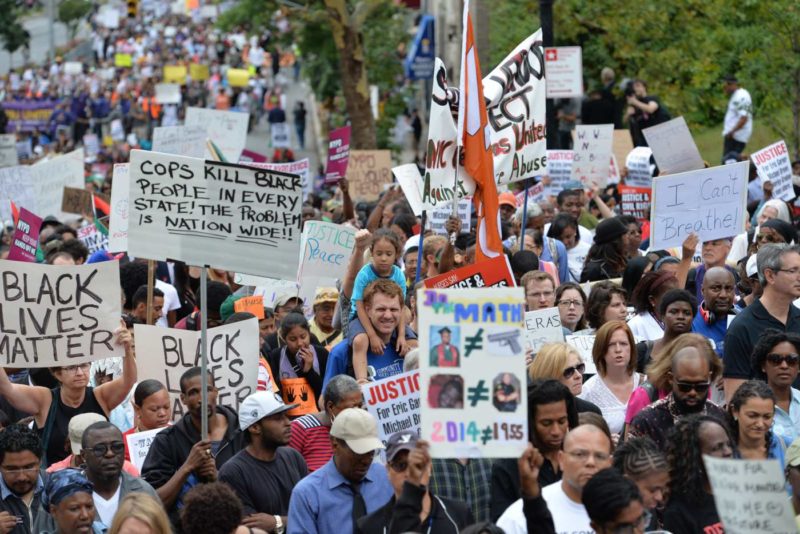
To view the entire series of Rising Up for Justice! posts, insert “rising up” in the search bar above.
Protests could push reform bills and a proposed amendment to remove ‘slavery’ from Utah’s constitution
By Ben Winslow, Fox13 Salt Lake City
June 12, 2020
SALT LAKE CITY — The recent protests against racial inequality could push legislation on policing to passage on Utah’s Capitol Hill, as well as a proposed amendment that officially repeals “slavery” from the state constitution.
“I think a lot of people are surprised to learn it is a part of our constitution,” said Rep. Sandra Hollins, D-Salt Lake City.
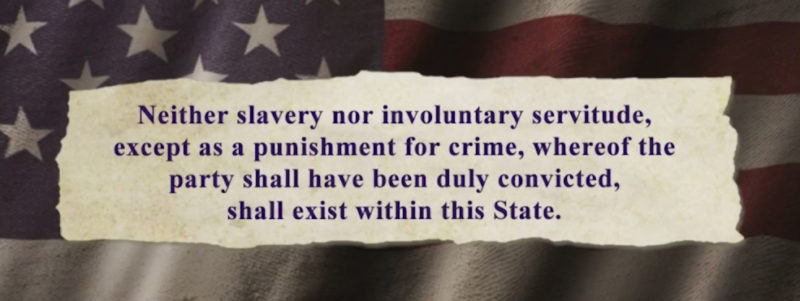
Rep. Hollins successfully passed a bill in 2019 that puts the proposed amendment to repeal the word “slavery” from the Utah State Constitution. It goes before voters this November.
While officially abolished after the Civil War, state documents to this day still include “slavery” and references to it. The wording states: “Neither slavery nor involuntary servitude, except as a punishment for crime, whereof the party shall have been duly convicted, shall exist within this State.”
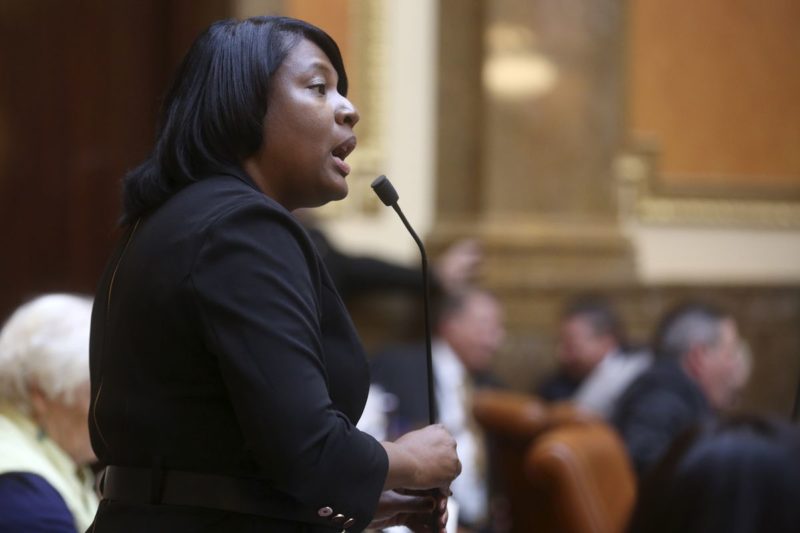
“What it currently says is a person can be placed in slavery if they’re duly convicted of a crime. What my amendment does is it takes that language out,” Rep. Hollins said in an interview with FOX 13.
On Wednesday, Rep. Hollins mentioned the proposed constitutional amendment while at a Black Lives Matter rally. She was joined by fellow lawmakers who represent communities of color.
“It no longer reflects our values as citizens of Utah, so I want them to vote to take this out of our constitution. It’s not who we are,” she said.
In response to the recent protests, lawmakers are drafting bills that propose reforms. The NAACP is partnering with a Republican lawmaker for some priority legislation. Rep. Hollins said she and other lawmakers are currently working with activists, Black Lives Matter and other groups on their own bills.
The legislation was still being planned out, but Rep. Hollins said they are looking at dealing with police use of force and restraint.
“I do think we have the momentum right now. When I meet with my colleagues on the Hill, we all agree there’s some things we’re not going to agree on,” she said. “There’s some things we are going to agree on. What we do agree on is we want to make sure people in our community are safe. People should not be treated differently because of their skin color in this state.”
Read the full article here.
Comments Are Welcome
Note: We moderate submissions in order to create a space for meaningful dialogue, a space where museum visitors – adults and youth –– can exchange informed, thoughtful, and relevant comments that add value to our exhibits.
Racial slurs, personal attacks, obscenity, profanity, and SHOUTING do not meet the above standard. Such comments are posted in the exhibit Hateful Speech. Commercial promotions, impersonations, and incoherent comments likewise fail to meet our goals, so will not be posted. Submissions longer than 120 words will be shortened.
See our full Comments Policy here.