Special News Series: Rising Up For Justice! – CDC Director Declares Racism A ‘Serious Public Health Threat’
Share
Explore Our Galleries









Breaking News!
Today's news and culture by Black and other reporters in the Black and mainstream media.
Ways to Support ABHM?
Introduction To This Series:
This post is one installment in an ongoing news series: a “living history” of the current national and international uprising for justice.
Today’s movement descends directly from the many earlier civil rights struggles against repeated injustices and race-based violence, including the killing of unarmed Black people. The posts in this series serve as a timeline of the uprising that began on May 26, 2020, the day after a Minneapolis police officer killed an unarmed Black man, George Floyd, by kneeling on his neck. The viral video of Floyd’s torturous suffocation brought unprecedented national awareness to the ongoing demand to truly make Black Lives Matter in this country.
The posts in this series focus on stories of the particular killings that have spurred the current uprising and on the protests taking place around the USA and across the globe. Sadly, thousands of people have lost their lives to systemic racial, gender, sexuality, judicial, and economic injustice. The few whose names are listed here represent the countless others lost before and since. Likewise, we can report but a few of the countless demonstrations for justice now taking place in our major cities, small towns, and suburbs.
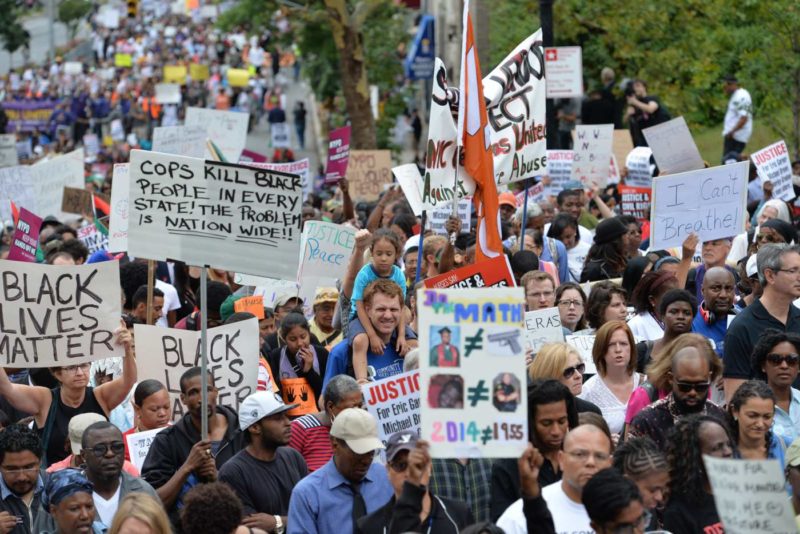
To view the entire series of Rising Up for Justice! posts, insert “rising up” in the search bar above.
CDC Director Declares Racism A ‘Serious Public Health Threat’
By Laurel Wamsley, National Public Radio (NPR)
April 14, 2021
Racism is a scourge in American society. It’s also a serious public health threat, according to the director of the Centers for Disease Control and Prevention.
In a statement released Thursday, Dr. Rochelle Walensky pointed to the disproportionate impact of COVID-19 on communities of color, as seen in case numbers, deaths and social consequence.
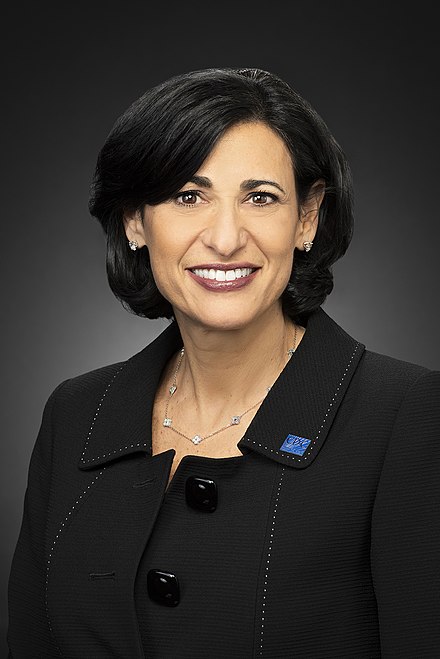
“Yet, the disparities seen over the past year were not a result of COVID-19,” Walensky said. “Instead, the pandemic illuminated inequities that have existed for generations and revealed for all of America a known, but often unaddressed, epidemic impacting public health: racism.”
“What we know is this: racism is a serious public health threat that directly affects the well-being of millions of Americans,” she added. “As a result, it affects the health of our entire nation. Racism is not just the discrimination against one group based on the color of their skin or their race or ethnicity, but the structural barriers that impact racial and ethnic groups differently to influence where a person lives, where they work, where their children play, and where they worship and gather in community. These social determinants of health have life-long negative effects on the mental and physical health of individuals in communities of color.
The result, she says, are stark health disparities that have mounted over generations.
So what does it mean for the agency? Walensky has charged all of the offices and centers under the CDC to develop interventions and measurable health outcomes in the next year, addressing racism in their respective areas. And she’s made clear that is a priority for the entire CDC.
The CDC also launched a new web portal, REACH (updated title and link on 5/23/23), that’s designed to be a hub for public and scientific information and discourse on the subject.
Read the full article here.
More Breaking News here.
For more information on racism and health, click here, here, here, here, and here.
Comments Are Welcome
Note: We moderate submissions in order to create a space for meaningful dialogue, a space where museum visitors – adults and youth –– can exchange informed, thoughtful, and relevant comments that add value to our exhibits.
Racial slurs, personal attacks, obscenity, profanity, and SHOUTING do not meet the above standard. Such comments are posted in the exhibit Hateful Speech. Commercial promotions, impersonations, and incoherent comments likewise fail to meet our goals, so will not be posted. Submissions longer than 120 words will be shortened.
See our full Comments Policy here.