Slavery rejected in some, not all, states where it was on the ballot
Share
Explore Our Galleries









Breaking News!
Today's news and culture by Black and other reporters in the Black and mainstream media.
Ways to Support ABHM?
By Aaron Morrison, Associated Press
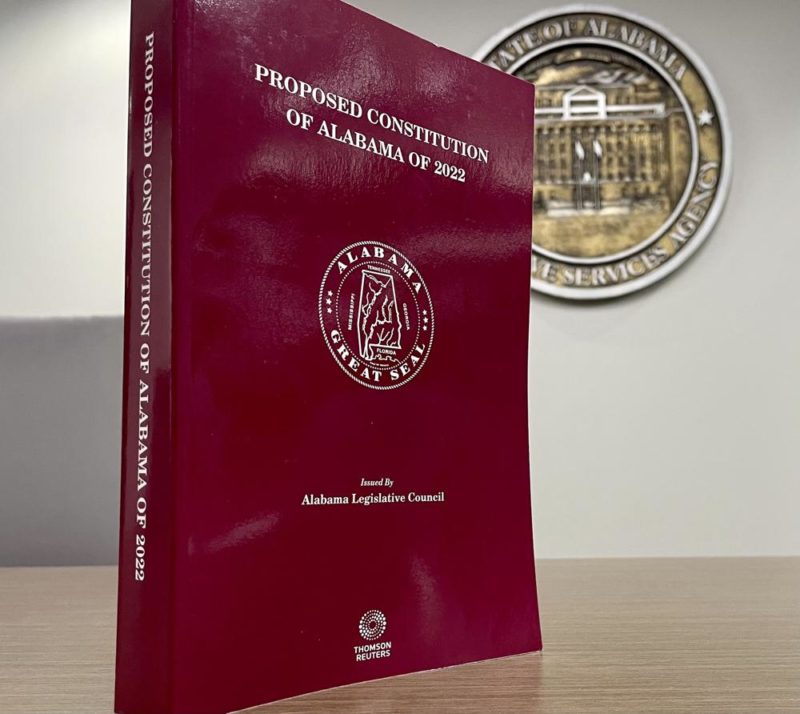
Voters in four states have approved ballot measures that will change their state constitutions to prohibit slavery and involuntary servitude as punishment for crime, while those in a fifth state rejected a flawed version of the question.
The measures approved Tuesday could curtail the use of prison labor in Alabama, Oregon, Tennessee and Vermont.
In Louisiana, a former slave-holding state and one of a handful that sentences convicted felons to hard labor, lawmakers trying to get rid of forced prisoner labor ended up torpedoing their own measure. They told voters to reject it because the ballot measure included ambiguous language that did not prohibit involuntary servitude in the criminal justice system.
Despite the setback in Louisiana, Max Parthas, campaigns coordinator for the Abolish Slavery National Network, called Tuesday’s vote on anti-slavery measures historic.
“I believed that the people would choose freedom over slavery, if we gave them the opportunity, by taking the slavery question away from the legislators and putting it into the hands of the people. And they proved us right,” he said.
The four approved initiatives won’t force immediate changes in the states’ prisons, but they may invite legal challenges over the practice of coercing prisoners to work under threat of sanctions or loss of privileges if they refuse the work.
Read about states that abolished prison slavery–and those that didn’t.
Learn about the origins of prison slavery and how states such as Utah have reconsidered it.
Stop by ABHM’s breaking news archive before you leave.
Comments Are Welcome
Note: We moderate submissions in order to create a space for meaningful dialogue, a space where museum visitors – adults and youth –– can exchange informed, thoughtful, and relevant comments that add value to our exhibits.
Racial slurs, personal attacks, obscenity, profanity, and SHOUTING do not meet the above standard. Such comments are posted in the exhibit Hateful Speech. Commercial promotions, impersonations, and incoherent comments likewise fail to meet our goals, so will not be posted. Submissions longer than 120 words will be shortened.
See our full Comments Policy here.