Reparations gained historic momentum in 2023 because of California’s efforts
Share
Explore Our Galleries









Breaking News!
Today's news and culture by Black and other reporters in the Black and mainstream media.
Ways to Support ABHM?
By Curtis Bunn, NBC
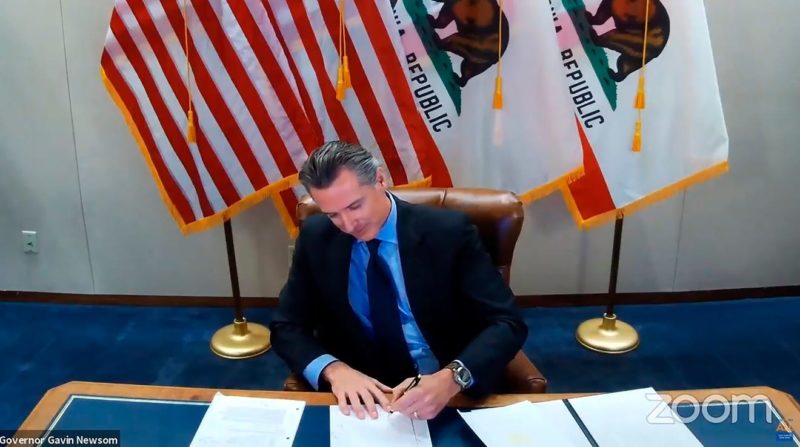
For the first time, this year advocates seeking reparations for the harms inflicted on Black people during centuries of slavery in America saw a movement for redress that elicits hope.
Many municipalities either started or are forming commissions to address compensation to the descendants of enslaved Africans.
California has made the most zealous effort. The state’s reparations task force spent two years researching the impact of the generational damage of the discriminatory practices and produced a 1,100-page report with comprehensive recommendations that it considers to be the blueprint for other cities and states — and the federal government — to follow.
[…]
While Evanston, Illinois, became the first city in the country in 2021 to actually pay reparations to its eligible Black residents, and New York recently enacted a commission to study the effects of slavery there, California’s push represents a major swing in the decadeslong fight for reparations. Yet Californians are looking ahead to the next year to see if any of these recommendations will actually come to fruition — and if there is enough political will to make it so.
The original article details opposition to these efforts.
Financial reparations recognize the hardships caused by racism and slavery.
Comments Are Welcome
Note: We moderate submissions in order to create a space for meaningful dialogue, a space where museum visitors – adults and youth –– can exchange informed, thoughtful, and relevant comments that add value to our exhibits.
Racial slurs, personal attacks, obscenity, profanity, and SHOUTING do not meet the above standard. Such comments are posted in the exhibit Hateful Speech. Commercial promotions, impersonations, and incoherent comments likewise fail to meet our goals, so will not be posted. Submissions longer than 120 words will be shortened.
See our full Comments Policy here.