Park Service removes slavery exhibit at Independence Park in Philadelphia
Share
Explore Our Galleries









Breaking News!
Today's news and culture by Black and other reporters in the Black and mainstream media.
Ways to Support ABHM?
Jake Spring, Washington Post
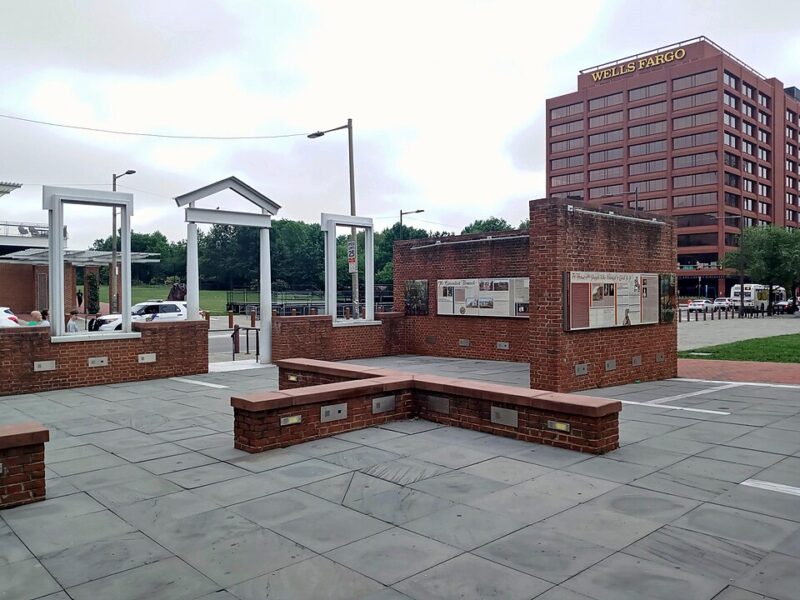
National Park Service staff on Thursday took down an exhibit on slavery at Independence National Historical Park in Philadelphia, which had been targeted last year by President Donald Trump in an executive order on “restoring truth and sanity to American history.”
The exhibit was at the President’s House Site, where George Washington lived as president. The informational panels discussed Washington’s ownership of enslaved people, as well as the broader history of slavery, and included details about their lives.
The Park Service has been removing information on historic racism, sexism, LGBT rights, slavery and climate change since last year as it carries out Trump’s executive order.
Other national park materials recently ordered removed include a sign describing basalt bubbles at Sunset Crater Volcano National Monument that used an image of a visitor holding a Pride flag, according to materials reviewed by The Washington Post.
Learn how the president thinks that whitewashing history is somehow honest.
Follow more changes prompted by the federal government in our breaking news archive.
Comments Are Welcome
Note: We moderate submissions in order to create a space for meaningful dialogue, a space where museum visitors – adults and youth –– can exchange informed, thoughtful, and relevant comments that add value to our exhibits.
Racial slurs, personal attacks, obscenity, profanity, and SHOUTING do not meet the above standard. Such comments are posted in the exhibit Hateful Speech. Commercial promotions, impersonations, and incoherent comments likewise fail to meet our goals, so will not be posted. Submissions longer than 120 words will be shortened.
See our full Comments Policy here.