This Day in History: We Celebrate the Birth of Anna Kingsley
Share
Explore Our Galleries









Breaking News!
Today's news and culture by Black and other reporters in the Black and mainstream media.
Ways to Support ABHM?
From the African American Registry
This date in 1793 celebrates the birth of Anna Kingsley. She was a African plantation owner, abolitionist, and former slave in America.
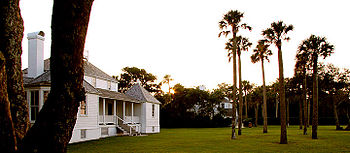
Born Anna Madgigine Jai in Senegal, she was captured in her native country in 1806 when she was 13 years old. She was brought to Florida, then a Spanish colony, where she was sold to Zephaniah Kingsley, a slave trader and a maritime merchant, and she worked on his plantation in northeast Florida.
Kingsley married her and allowed for her freedom in 1811. They had four children. She became the manager of the plantation and held the position for 25 years. Anna Kingsley became a slave owner herself. Her husband was on record as saying that she “could carry on all the affairs of the plantation in my absence as well as I could myself.”
After Spain sold Florida to the United States in 1819, life grew difficult. The U.S. laws concerning freed Blacks were far more restrictive than those of Spain. Kingsley’s status as a freed slave and landowner were threatened. Plus her interracial marriage was unacceptable in the new U.S. state of Florida. The Kingsleys fled to Haiti, where they ran another plantation and created a colony for free Blacks. After her husband’s death in 1843, Kingsley returned to Florida, where she fought the courts to claim the land left to her and her children in his will.
After a difficult court battle (some of his white relatives had contested her claim), Kingsley won the right to her inheritance. Her skill at running a plantation and her battle for property rights made her a celebrated and influential figure in the free Black community of northern Florida. Anna Kingsley died in 1870.
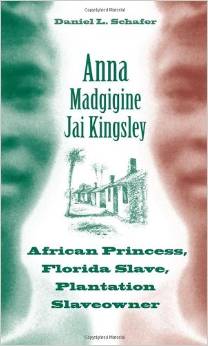
Learn more in Anna Madgigine Jai Kingsley: African Princess, Florida Slave, Plantation Slaveowner
Read more breaking news here.
Comments Are Welcome
Note: We moderate submissions in order to create a space for meaningful dialogue, a space where museum visitors – adults and youth –– can exchange informed, thoughtful, and relevant comments that add value to our exhibits.
Racial slurs, personal attacks, obscenity, profanity, and SHOUTING do not meet the above standard. Such comments are posted in the exhibit Hateful Speech. Commercial promotions, impersonations, and incoherent comments likewise fail to meet our goals, so will not be posted. Submissions longer than 120 words will be shortened.
See our full Comments Policy here.