Nikole Hannah-Jones: Trump Is Erasing Black History
Share
Explore Our Galleries









Breaking News!
Today's news and culture by Black and other reporters in the Black and mainstream media.
Ways to Support ABHM?
From Mother Jones
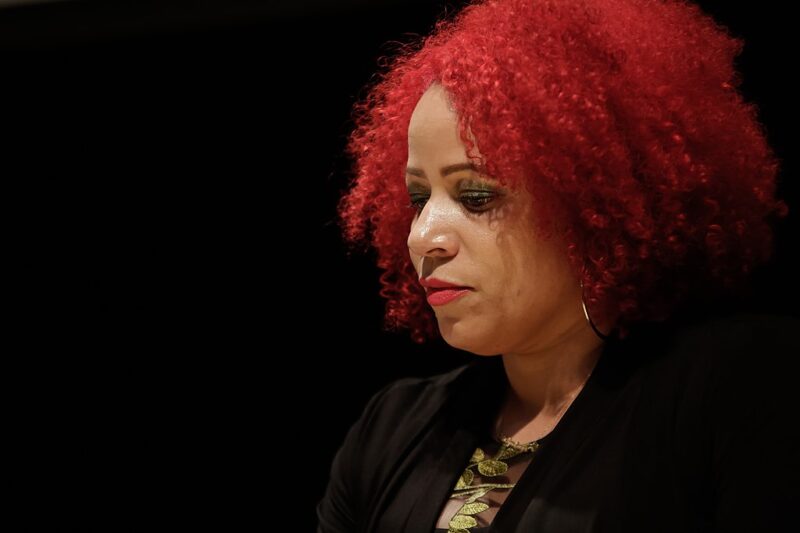
President Donald Trump’s second term has swung a wrecking ball at diversity, equity, and inclusion policies and programs throughout the country. Few writers seem better suited to explain this unique moment in America than Nikole Hannah-Jones.
A New York Times journalist and Howard University professor, Hannah-Jones has spent years studying and shaping compelling—and at times controversial—narratives about American history. In 2019, she created The 1619 Project, a series of stories and essays that placed the first slave ship that arrived in Virginia at the center of the US’ origin story. Today, the Trump administration is pushing against that kind of historical reframing while dismantling federal policies designed to address structural racism. Hannah-Jones says she’s been stunned by the speed of Trump’s first few months.
“We haven’t seen the federal government weaponized against civil rights in this way” since the turn of the century, Hannah-Jones says. “We’ve not lived in this America before. And we are experiencing something that, if you study history, it’s not unpredictable, yet it’s still shocking that we’re here.”
On this week’s episode of More To The Story, host Al Letson talks to Hannah-Jones about the rollback of DEI and civil rights programs across the country, the ongoing battle to reframe American history, and whether this will lead to another moment of rebirth for Black Americans.
Head to Mother Jones to listen to the conversation.
You can always learn about Black history in our virtual galleries.
Comments Are Welcome
Note: We moderate submissions in order to create a space for meaningful dialogue, a space where museum visitors – adults and youth –– can exchange informed, thoughtful, and relevant comments that add value to our exhibits.
Racial slurs, personal attacks, obscenity, profanity, and SHOUTING do not meet the above standard. Such comments are posted in the exhibit Hateful Speech. Commercial promotions, impersonations, and incoherent comments likewise fail to meet our goals, so will not be posted. Submissions longer than 120 words will be shortened.
See our full Comments Policy here.