New California Law Aims To Curb Racial Profiling
Share
Explore Our Galleries









Breaking News!
Today's news and culture by Black and other reporters in the Black and mainstream media.
Ways to Support ABHM?
By Matt Ferner,
Activists hailed the law, but police union leaders complained it would create more paperwork.
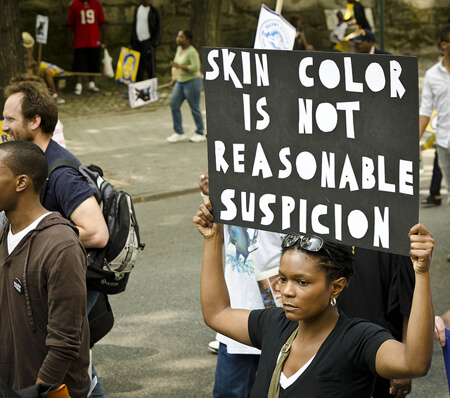
California police will have to publicly report race and other demographic characteristics of any person stopped by officers under a new law intended to respond to high-profile deaths of unarmed black men and charges of racial profiling.
The law […] expands the state’s formerly vague definition of racial profiling to include “identity profiling” based on gender, national origin or other characteristics protected against discrimination. The law requires law enforcement agencies to record the racial and identity characteristics of any person stopped or detained…
A recent string of deaths at the hands of police officers — from Michael Brown in Ferguson, Missouri, to Freddie Gray in Baltimore, to Eric Garner in New York — sparked unrest and national outcry about the need for police reform, especially in communities of color. Police unions blasted the new law as unnecessary, while reform activists hailed it as a critical tool to analyze police practices.
Lt. Steve James, president of the Long Beach Officers Association and the national trustee for the California Fraternal Order of Police…said the new legislation is “terrible.” He said it would create more paperwork for officers, taking away time on the streets, and seeks to solve a problem he doesn’t believe exists…
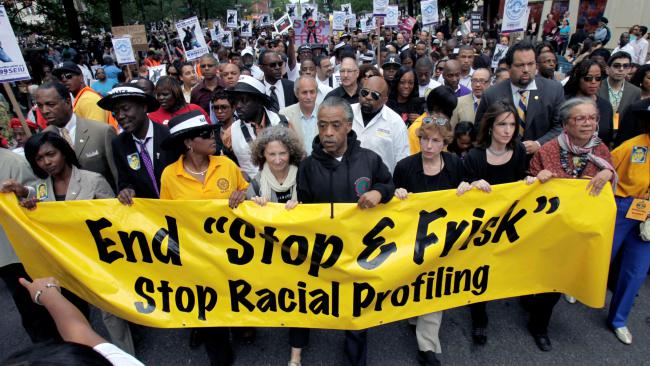
Data that the state attorney general already has access to reveals racial disparity in arrests and jailing across the state. Seventeen percent of arrests and about 25 percent of deaths in custody involve blacks. Young black males are about 25 percent more likely than whites to be jailed in the state…
“They’re of course exaggerating about the amount of paperwork that this will produce,” Abdullah said. “But if that were a real consideration for them, then maybe they should only make stops that are really around keeping the community safe rather than then the harassment and intimidation of people of color…”
“For police to say that profiling doesn’t happen so we don’t even need to collect information about it is offensive,” Bibring said. “We give police tremendous authority to stop people, to search them, to use force and potentially to shoot people. And in order to make sure that authority is being used correctly, we need transparency into what they are doing…”
Read the full article here.
Read more Breaking News here.
Comments Are Welcome
Note: We moderate submissions in order to create a space for meaningful dialogue, a space where museum visitors – adults and youth –– can exchange informed, thoughtful, and relevant comments that add value to our exhibits.
Racial slurs, personal attacks, obscenity, profanity, and SHOUTING do not meet the above standard. Such comments are posted in the exhibit Hateful Speech. Commercial promotions, impersonations, and incoherent comments likewise fail to meet our goals, so will not be posted. Submissions longer than 120 words will be shortened.
See our full Comments Policy here.