Lizzo Releases New Version of ‘Grrrls’ After Backlash Over Ableist Lyric
Share
Explore Our Galleries









Breaking News!
Today's news and culture by Black and other reporters in the Black and mainstream media.
Ways to Support ABHM?
By Thania Garcia, Variety
‘I Never Want to Promote Derogatory Language’
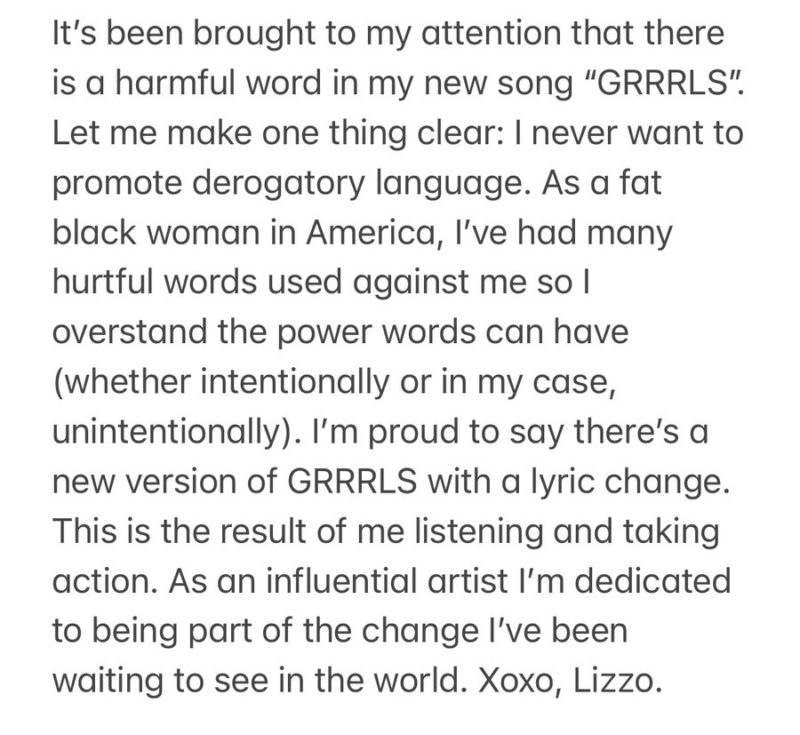
Lizzo has released a new version of her single “Grrrls” after receiving backlash from disability advocates for including the word “spaz” in the song’s beginning lines.
The original version of the track sparked heated debate among fans, who were disappointed with the singer’s decision to include the derogatory term. In the medical field, “spastic” refers to a disability that makes it difficult for people to control their muscles, especially in their arms and legs.
One Twitter user tweeted: “Hey @lizzo my disability Cerebral Palsy is literally classified as Spastic Diplegia (where spasticity refers to unending painful tightness in my legs) your new song makes me pretty angry + sad. ‘Spaz’ doesn’t mean freaked out or crazy. It’s an ableist slur. It’s 2022. Do better.”
Lizzo responded on Instagram, posting the announcement of the lyric replacement and explaining her decision to release a new version of the song. “Let’s make one thing clear: I never want to promote derogatory language,” she writes, before going on to elaborate on how she was “proud” to have taken the steps to “listen and take action.”
Keep reading how–and why–Lizzo responded to criticism this way.
Unfortunately, not everyone considers criticism so thoughtfully. Teaching about white privilege and calling out racism can get you fired.
Never miss any breaking news about Black entertainment, pride, or culture.
Comments Are Welcome
Note: We moderate submissions in order to create a space for meaningful dialogue, a space where museum visitors – adults and youth –– can exchange informed, thoughtful, and relevant comments that add value to our exhibits.
Racial slurs, personal attacks, obscenity, profanity, and SHOUTING do not meet the above standard. Such comments are posted in the exhibit Hateful Speech. Commercial promotions, impersonations, and incoherent comments likewise fail to meet our goals, so will not be posted. Submissions longer than 120 words will be shortened.
See our full Comments Policy here.