King Charles photo with Caribbean officials under portrait of slavery-enriched monarch sparks criticism
Share
Explore Our Galleries









Breaking News!
Today's news and culture by Black and other reporters in the Black and mainstream media.
Ways to Support ABHM?
By Catarina Demony, Reuters
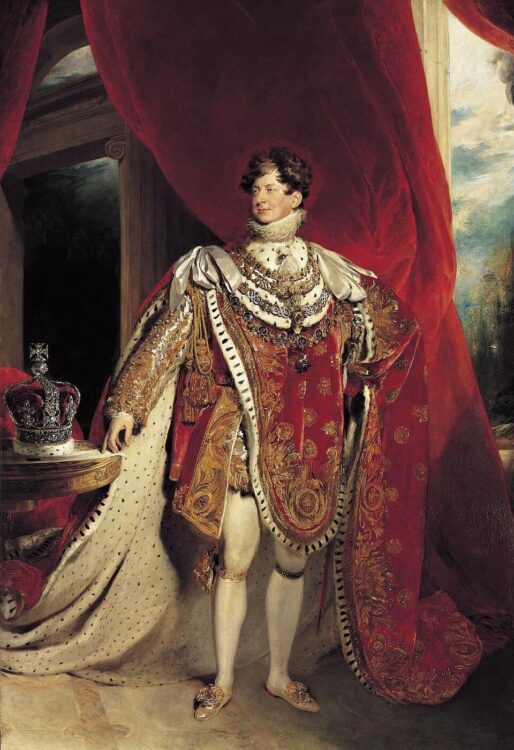
LONDON, March 20 (Reuters) – Campaigners for slavery reparations and scholars have criticised the British monarchy after King Charles posed with Caribbean officials at a London reception beneath a portrait of George IV, who profited from enslaved labour on plantations in Grenada.
Charles hosted on March 10 several Caribbean representatives at St. James’s Palace for the annual Commonwealth Day reception, attended by, among others, the foreign ministers of Jamaica, St. Kitts and Nevis, and Trinidad and Tobago.
Grenada‘s high commissioner to Britain, Rachér Croney, was also in attendance, alongside other Caribbean diplomats.
A group of 29 guests at the reception posed for a photograph with Charles and British foreign minister Yvette Cooper beneath a large portrait of George IV. The image was subsequently shared across several accounts of some Caribbean foreign ministries as well as by a high commissioner.
GEORGE IV WAS ENRICHED BY GRENADIAN ESTATES: RESEARCHER
Research by independent scholar Desirée Baptiste shared with Reuters last year, found that 1,000 pounds ($1,331.20) – about 103,000 pounds today – were paid into George IV’s private coffers from two Crown-owned Grenadian estates worked by hundreds of enslaved people in the 18th and 19th centuries.
[…]
Experts said the finding increases pressure on the monarchy to confront its historical ties to slavery, including issuing a full apology and acknowledging the ways it profited from it.
“It is offensive to have his portrait up,” Arley Gill, chairman of Grenada’s National Reparations Committee, said. “It is doubly offensive to have persons of African descent with the king below a photograph of him.”
“It just rubs salt in the wounds.”
Comments Are Welcome
Note: We moderate submissions in order to create a space for meaningful dialogue, a space where museum visitors – adults and youth –– can exchange informed, thoughtful, and relevant comments that add value to our exhibits.
Racial slurs, personal attacks, obscenity, profanity, and SHOUTING do not meet the above standard. Such comments are posted in the exhibit Hateful Speech. Commercial promotions, impersonations, and incoherent comments likewise fail to meet our goals, so will not be posted. Submissions longer than 120 words will be shortened.
See our full Comments Policy here.