Justice Prevails: Descendants of enslaved people at historic plantation win bruising battle to tell their stories
Share
Explore Our Galleries









Breaking News!
Today's news and culture by Black and other reporters in the Black and mainstream media.
Ways to Support ABHM?
By Rhonda Sonnenberg, Southern Poverty Law Center
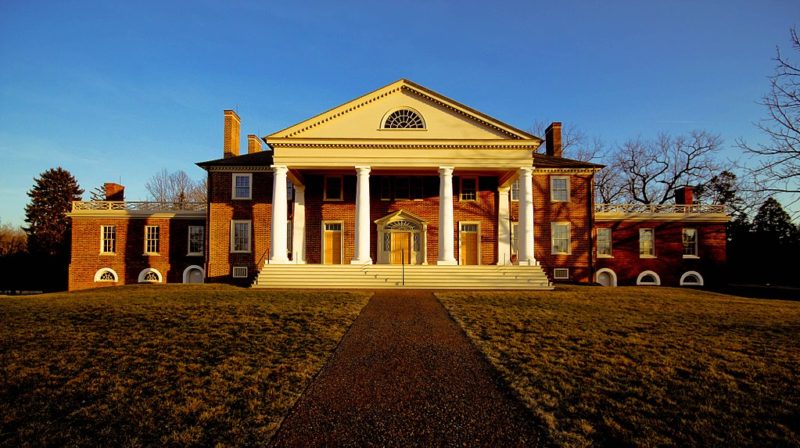
,_James_Madison_home_at_Sunset.jpg)
Set on a pastoral landscape at the foothills of the Blue Ridge Mountains outside Orange, Virginia, Montpelier is among the country’s premier historic plantation sites.
It was the home of James Madison, the so-called father of the U.S. Constitution and the nation’s fourth president.
It was also “home” to 300 enslaved people during Madison’s time, and their descendants are now boldly asserting the right to tell their stories.
For the past 18 months, Montpelier’s conservative, white leaders had been battling the Montpelier Descendants Committee (MDC) – an organization dedicated to restoring the narratives of enslaved African Americans on the plantation – over its demand for equal voting power on Montpelier’s board…
But in a stunning turn of events this week, MDC representatives took the majority of the Montpelier Foundation board seats for the first time.
Continue reading about this historic shift in power and what it could mean for the MDC.
Montpelier was just one part of the slavery machine that erased peoples’ roots and afforded white people generations of privilege.
People and organizations demanding recognition of slavery’s impact will continue to make breaking news.
Comments Are Welcome
Note: We moderate submissions in order to create a space for meaningful dialogue, a space where museum visitors – adults and youth –– can exchange informed, thoughtful, and relevant comments that add value to our exhibits.
Racial slurs, personal attacks, obscenity, profanity, and SHOUTING do not meet the above standard. Such comments are posted in the exhibit Hateful Speech. Commercial promotions, impersonations, and incoherent comments likewise fail to meet our goals, so will not be posted. Submissions longer than 120 words will be shortened.
See our full Comments Policy here.