How to have a meaningful debate about racism? The Guardian asked 20,000 people.
Share
Explore Our Galleries









Breaking News!
Today's news and culture by Black and other reporters in the Black and mainstream media.
Ways to Support ABHM?
By Nina Kelly, The Guardian
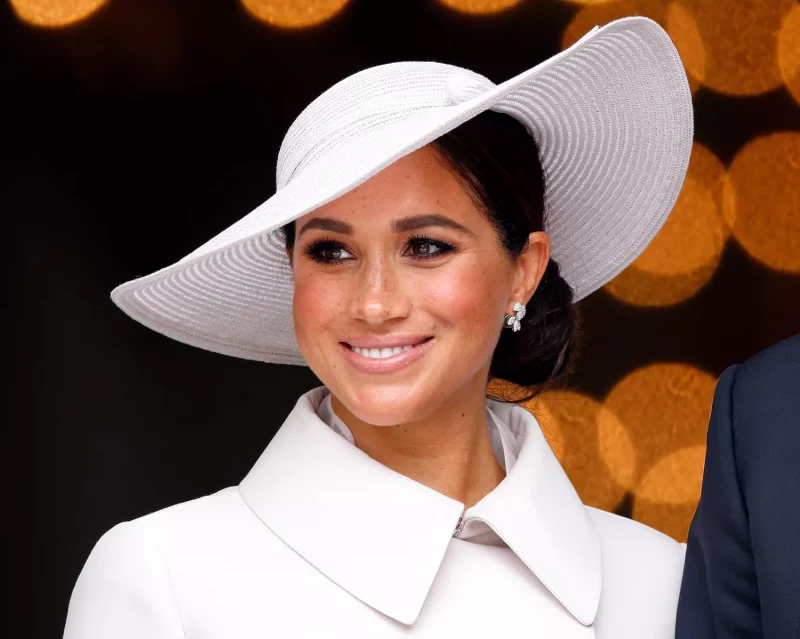
The national conversation on racism seems to be stuck in an endless loop. We all know the routine: a public debate is sparked by a news story that features a case of alleged bigotry. It might be reports that an Asian cricketer was nicknamed “Bomber”; or that a member of the royal family is said to have questioned a baby’s skin colour. Whatever it is, the inciting incident then sets the parameters of all the discussion to follow. An array of loud and angry voices appears on media panel shows or radio phone-ins, suggesting what might or might not have occurred (no one knows for certain), and whether or not any of it is racist (everyone is certain that it either is, or it isn’t).
And so, instead of the nuances of racial inequality being understood, the issue is portrayed as a simple matter of people saying or doing bad things to each other, and we get a tiresome to and fro between those “playing the race card” and others “in denial”. Many of us just tune out, while the overall issue of racism in society – a real problem in need of an urgent solution – remains unaddressed.
That is why, six years ago, the Reframing Race initiative was set up. It is an attempt to fix this broken debate. We have spoken to 20,000 people in England and Scotland, testing more than a dozen ways of talking about racism. With our unprecedented bank of data, we now dare to answer the question: what actually works to change the conversation?
[…]
The first problem we found was that people don’t agree on what the basic facts mean. For instance, “black people are stopped and searched at seven times the rate of white people”: some will believe this indicates a racist bias in policing; others will simply say it’s a sign of criminality in the black population. It is therefore important to tell the full story, which is that the over-representation of black people in the criminal justice system does not imply they are more inclined to commit crime. Instead, the data reveals a complex social structure – involving prejudice in the justice system, poverty, school exclusion and insecure housing – that stacks the odds against black people.
Across the pond, Americans also disagree about the definition and effects of racism.
Comments Are Welcome
Note: We moderate submissions in order to create a space for meaningful dialogue, a space where museum visitors – adults and youth –– can exchange informed, thoughtful, and relevant comments that add value to our exhibits.
Racial slurs, personal attacks, obscenity, profanity, and SHOUTING do not meet the above standard. Such comments are posted in the exhibit Hateful Speech. Commercial promotions, impersonations, and incoherent comments likewise fail to meet our goals, so will not be posted. Submissions longer than 120 words will be shortened.
See our full Comments Policy here.