How a new newsroom plans to inform and empower Black Americans
Share
Explore Our Galleries









Breaking News!
Today's news and culture by Black and other reporters in the Black and mainstream media.
Ways to Support ABHM?
By Donna M. Owens, NBC News
“It seemed like a time to make a difference,” said co-founder Lauren Williams. “We both thought, ‘Why not?’”
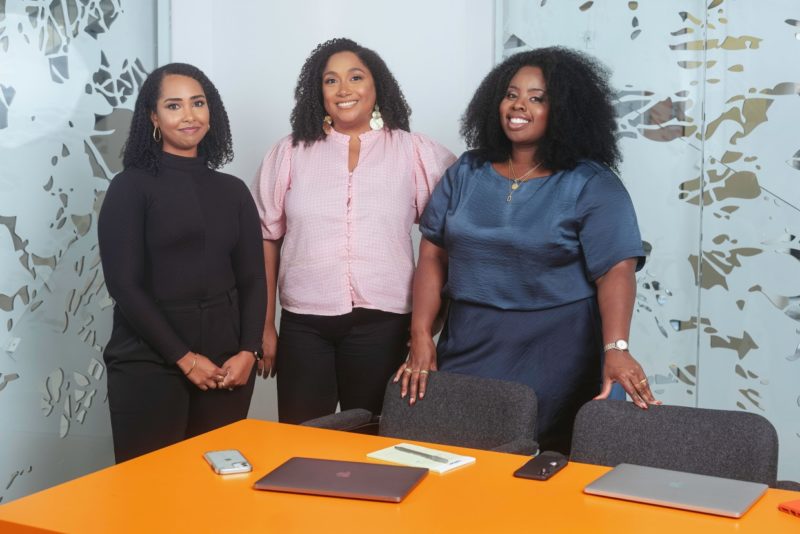
As Covid-19 deaths and George Floyd protests swept the country and world in the summer of 2020, journalists Lauren Williams and Akoto Ofori-Atta discussed the urgency of the times. The women saw an opportunity to expand the media landscape and become catalysts for meaningful change.
“The moment felt apocalyptic,” Williams told NBC News. “Raw and filled with unknowns. It seemed like a time to make a difference. We both thought, why not?”
Leaving behind their respective jobs, the two friends began laying the groundwork for what became Capital B, a nonprofit local and national news organization centered on Black voices. The name is a nod to the B in Black, the team says, and “the argument that capitalizing it indicates the importance and singularity of Black people in America.”
The newsroom launched in late January with a national website, and a virtual newsroom in Atlanta, the first of other planned bureaus across the country. And Capital B Live, its events program, will allow audiences to experience journalism through yet another medium.
Discover more about Capital B’s creation, mission, and launch.
Black news isn’t new. In fact, the first American abolitionist newspaper is being revived.
Comments Are Welcome
Note: We moderate submissions in order to create a space for meaningful dialogue, a space where museum visitors – adults and youth –– can exchange informed, thoughtful, and relevant comments that add value to our exhibits.
Racial slurs, personal attacks, obscenity, profanity, and SHOUTING do not meet the above standard. Such comments are posted in the exhibit Hateful Speech. Commercial promotions, impersonations, and incoherent comments likewise fail to meet our goals, so will not be posted. Submissions longer than 120 words will be shortened.
See our full Comments Policy here.